

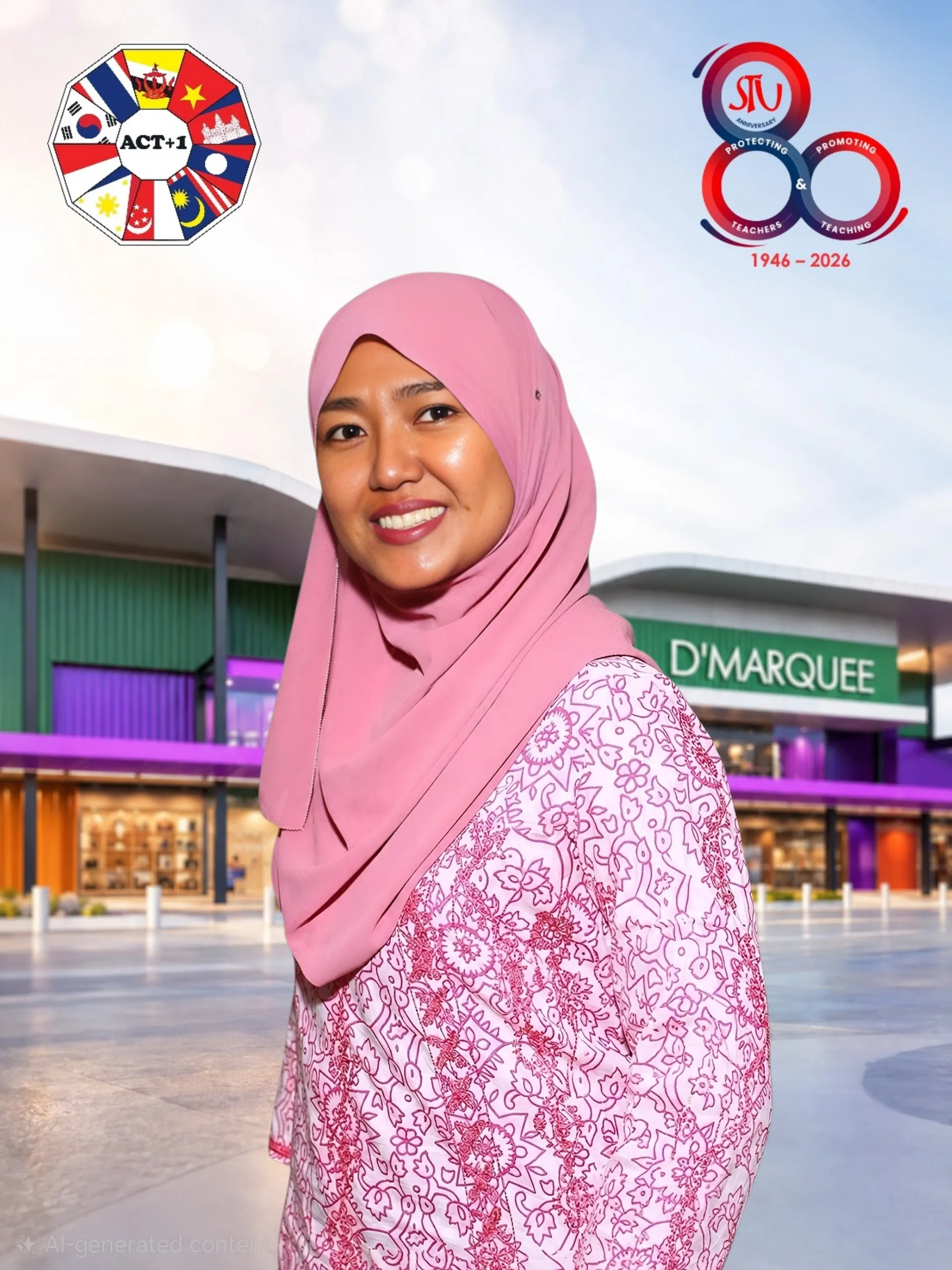
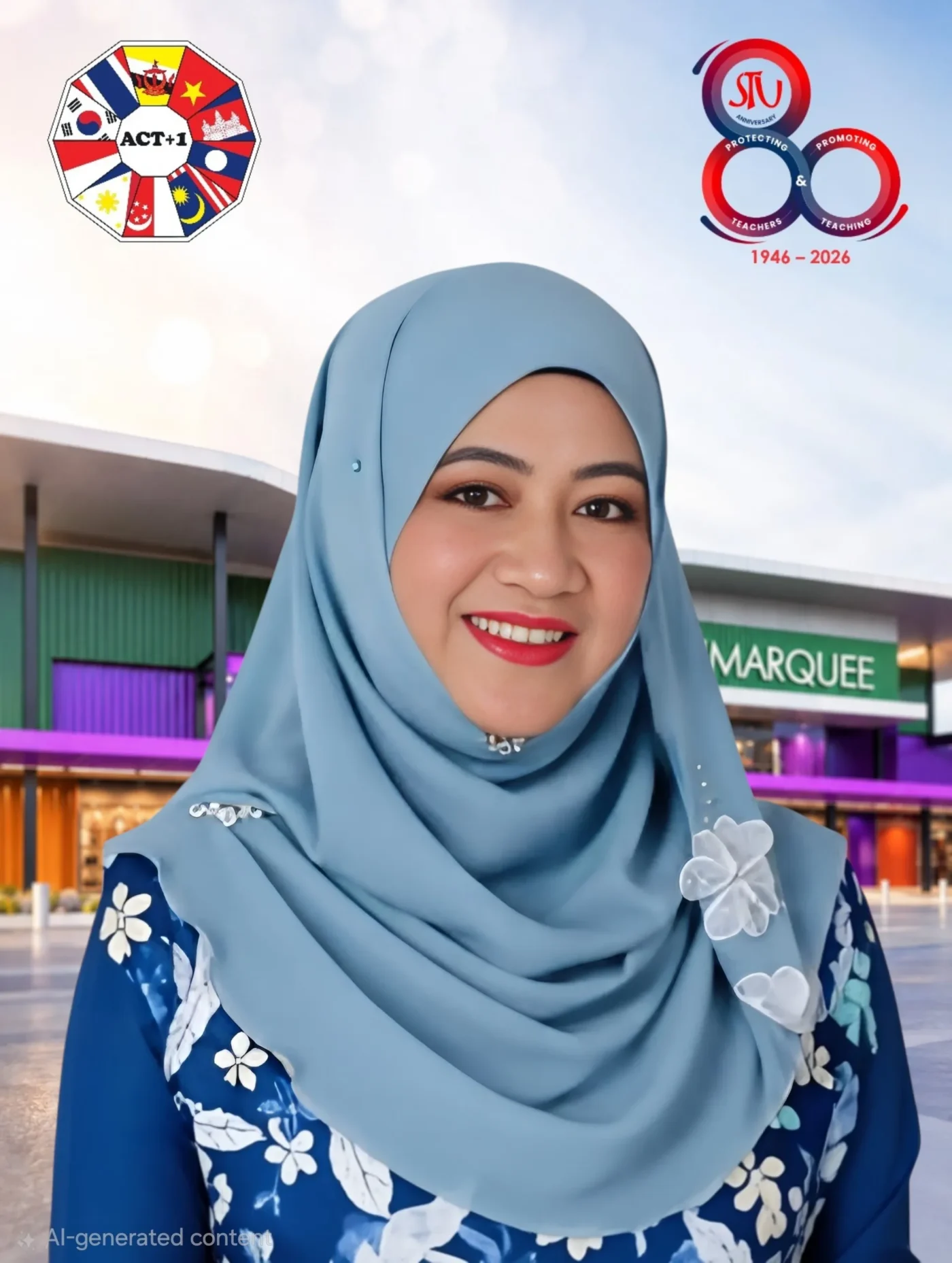
Asmawati Bte Abdullah is a Lead Teacher in Science with more than 27 years of experience in education. She is passionate about nurturing student curiosity, critical thinking, and scientific inquiry through meaningful learning experiences that promote deep conceptual understanding and lifelong learning. As a teacher leader, she works closely with colleagues to enhance teaching and learning outcomes, championing the development of 21st Century Competencies, student agency, and inquiry-based approaches in science education. Her work includes leading professional learning, lesson study initiatives, and curriculum innovation to support both teacher growth and student development. At the school and zonal levels, Asmawati actively contributes to professional sharing sessions and networked learning communities, facilitating the exchange of effective science teaching practices. She is involved in designing engaging and challenging learning experiences for high-ability learners that foster deeper thinking and authentic problem-solving. Recognising the potential of educational technology to transform learning, she advocates for the purposeful integration of artificial intelligence in education. Through professional learning platforms, she has shared practical strategies for using AI tools and chatbots to support inquiry, personalise learning, and enhance classroom engagement. Through collaborative leadership, continuous learning, and a commitment to innovation, Asmawati strives to empower both educators and students to thrive in an evolving educational landscape.

Jayaram Saravanakumar Naidu is a Deputy Year Head at Northland Primary School, Singapore, and teaches Primary Science and Mathematics. He is passionate about creating student-centred learning experiences that develop curiosity, critical thinking, and creativity. He has led the school's MakerSpace programme, designing hands-on learning experiences and supporting the school's Applied Learning Programme (ALP). In partnership with the Singapore University of Technology and Design, he helped implement the Smorphi Robotics programme to support a school-wide simplified Design Thinking approach, enabling students to solve authentic problems through engineering and innovation. His professional interests include inquiry-based learning, artificial intelligence in education, and teacher professional learning. He is also an advocate for systems thinking, believing that sustainable improvement comes from designing ecosystems that support both teacher growth and student well-being.
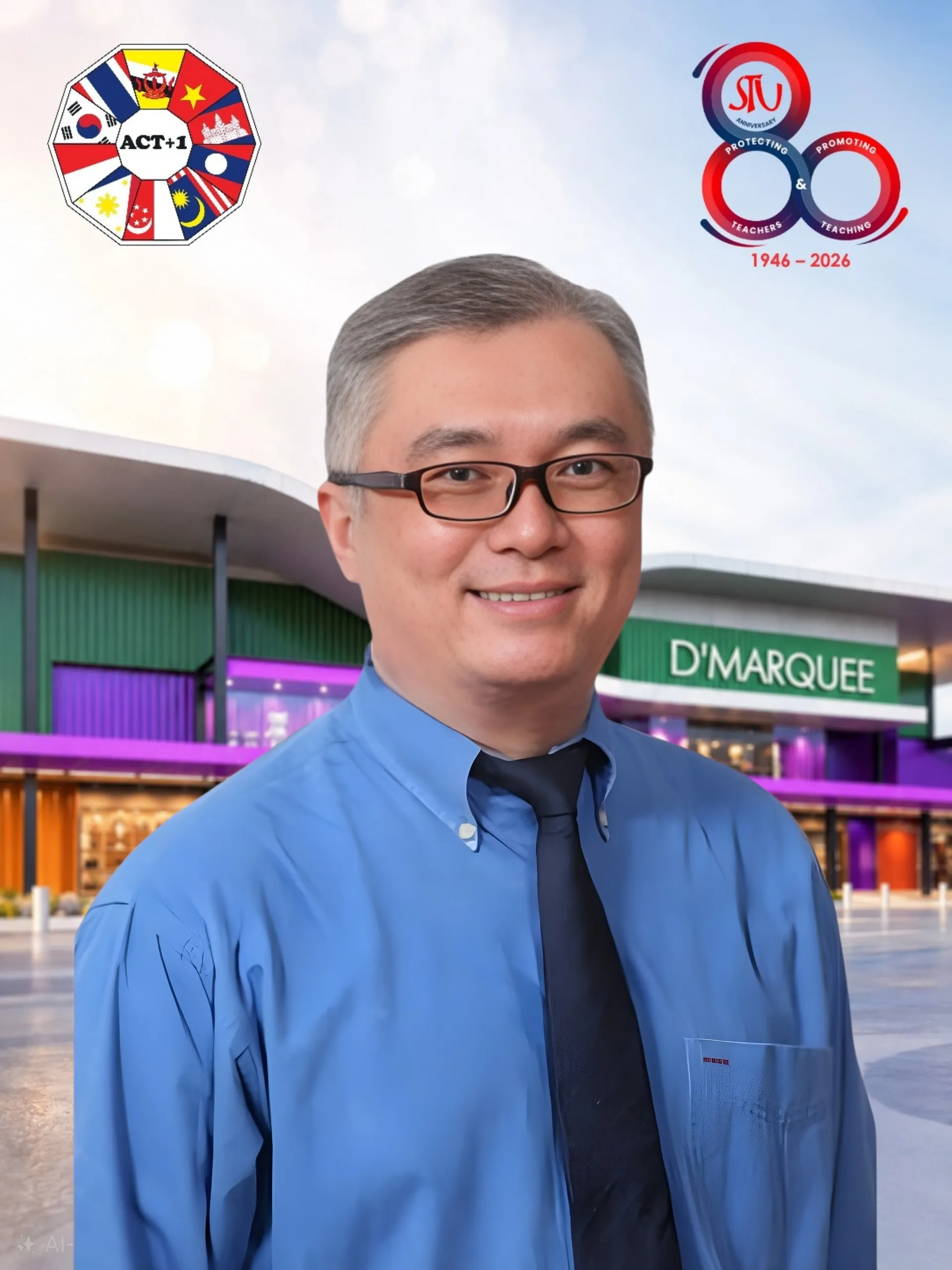
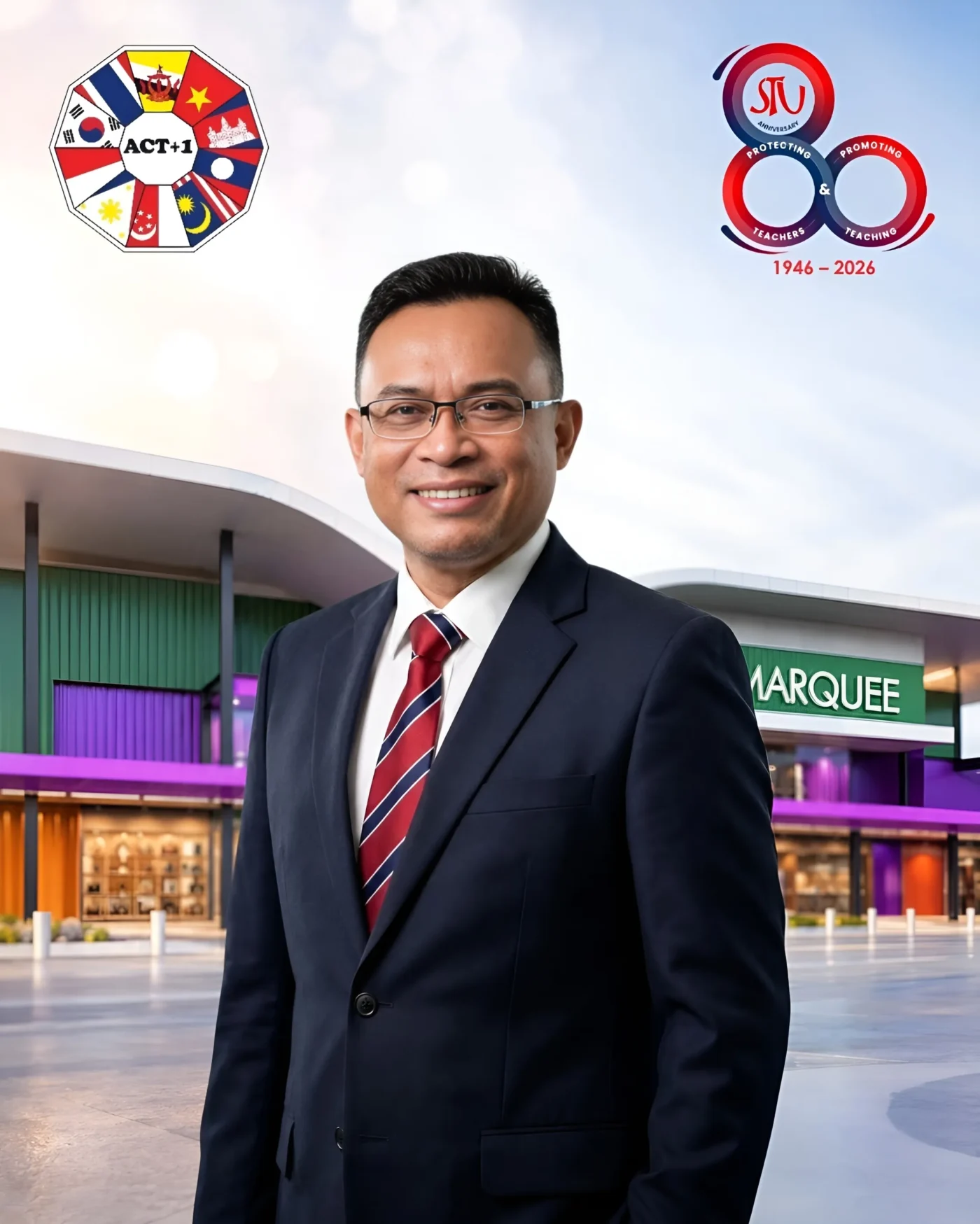
With 26 years of teaching experience, Sea Fong brings to the classroom a rich background in customer service and copywriting, as well as a strong foundation in the humanities. He holds a Bachelor of Social Science (with majors in Sociology and English Literature) from the National University of Singapore, and a Postgraduate Diploma in Education from the National Institute of Education, Singapore. Sea Fong has served as Head of Department (five years) and as a Senior Teacher (11 years). A progressive and collaborative teacher-leader, he is passionate about blending technology with impactful pedagogy to create engaging and dynamic learning experiences. Constantly seeking to innovate and grow, he actively shares his practices with fellow educators. In 2024, Sea Fong joined the ASEF Classroom Network 17 and collaborated with educators from Australia and Austria to explore the use of AI in climate education (Climate Alliance) —a project that earned the prestigious Gold Award for its innovative and impactful approach. In 2025, ASEF invited the team (Climate Alliance) to embark on EmpowerED where the team shared their experience with teachers from Bangladesh. Croatia, Malaysia and Mongolia.
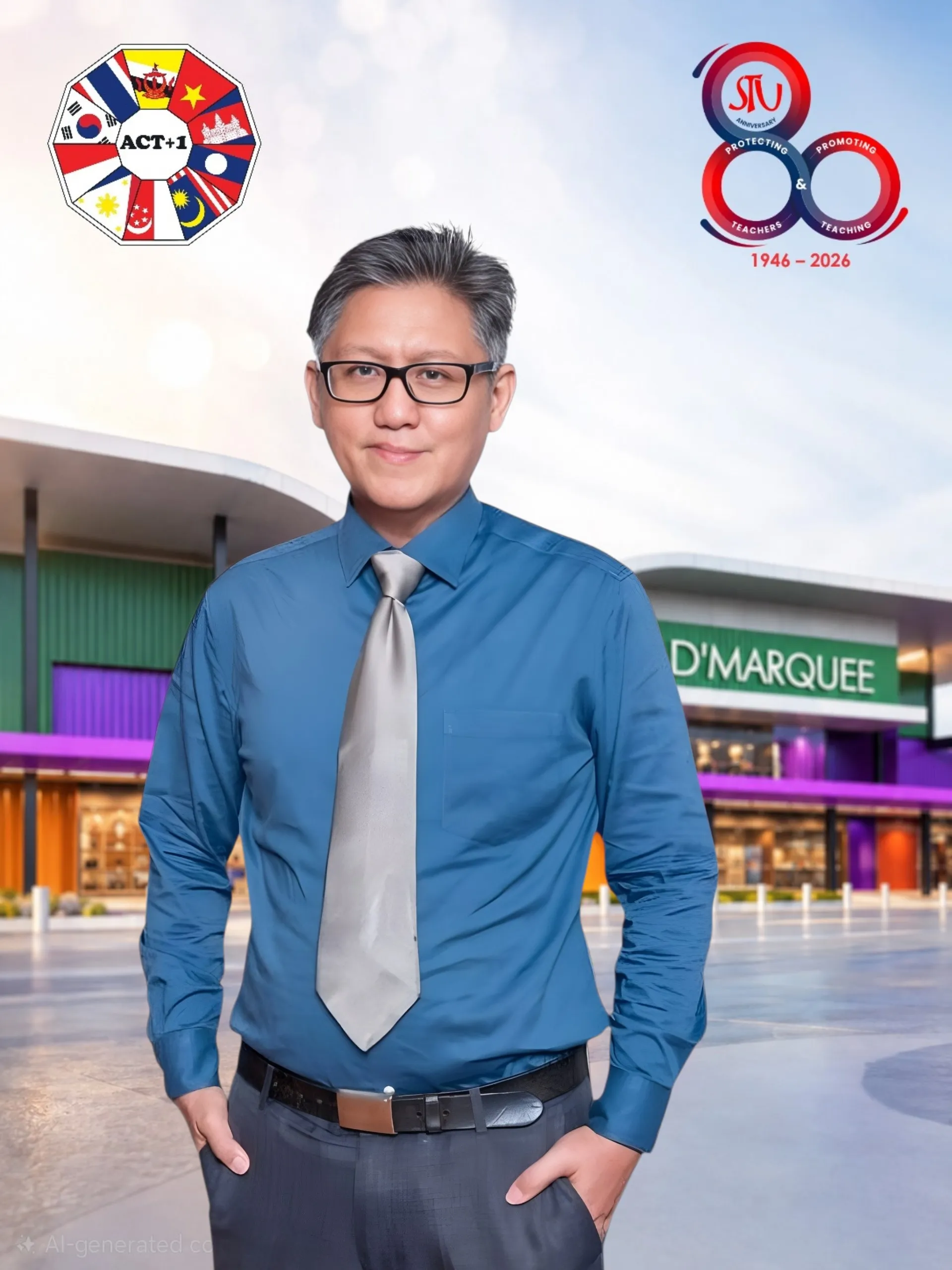
Mohamad Riaz Sulaimi is a Senior Teacher (Science) at Ang Mo Kio Primary School with a passion for transforming teaching and learning through Science, STEM, Artificial Intelligence (AI), coding, and educational technology. He enjoys designing innovative inquiry-based learning experiences that integrate simulations, game-based learning, data visualisation, AI-powered feedback and learning analytics to deepen students' scientific understanding and engagement. Beyond the classroom, Riaz actively explores emerging technologies such as generative AI, computer vision, robotics, IoT and maker education, developing practical solutions that empower both teachers and students. He regularly shares his work through professional learning workshops, open classrooms and conferences, with a focus on helping educators leverage AI meaningfully to enhance pedagogy and create engaging, future-ready learning experiences.
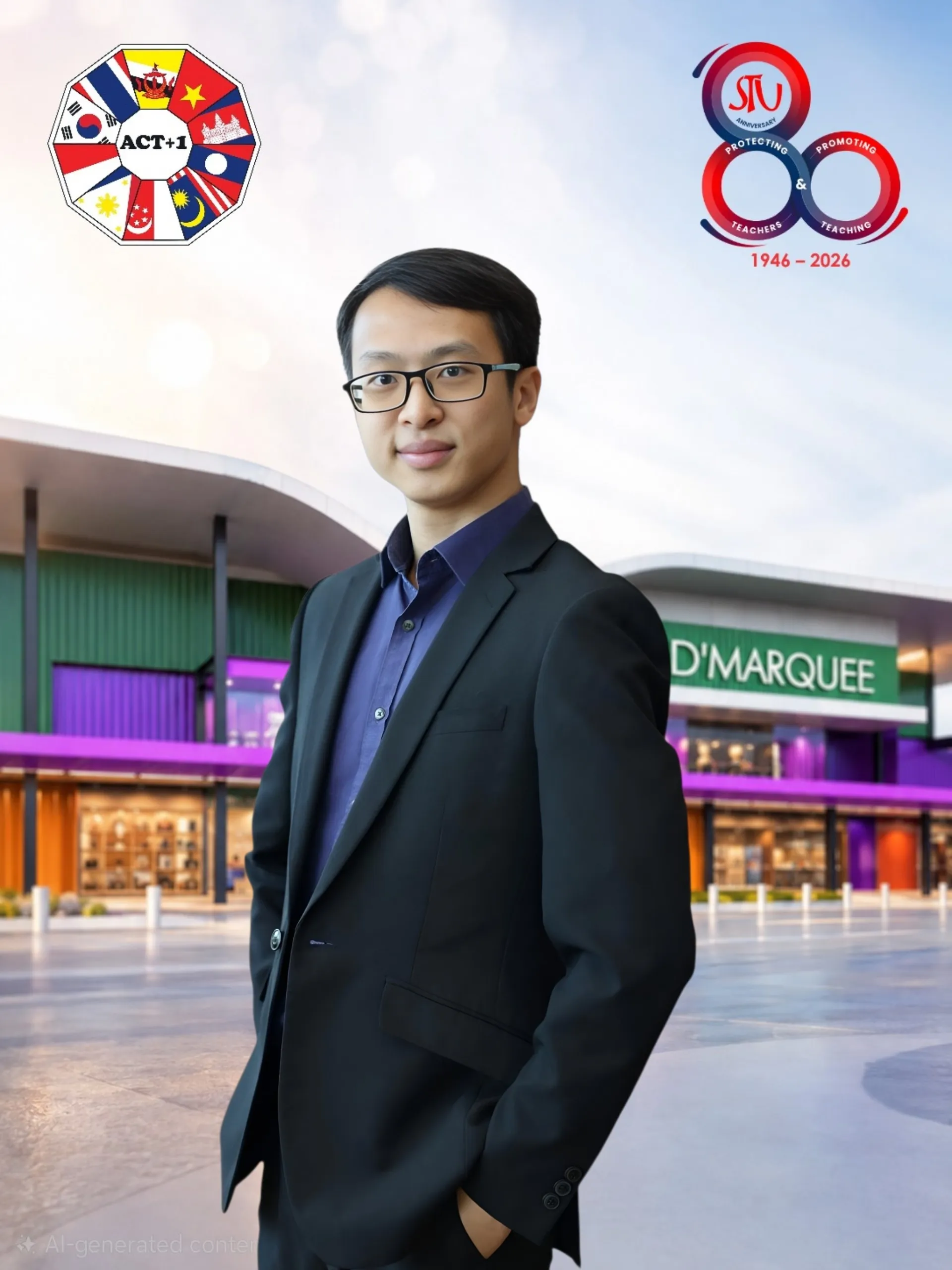
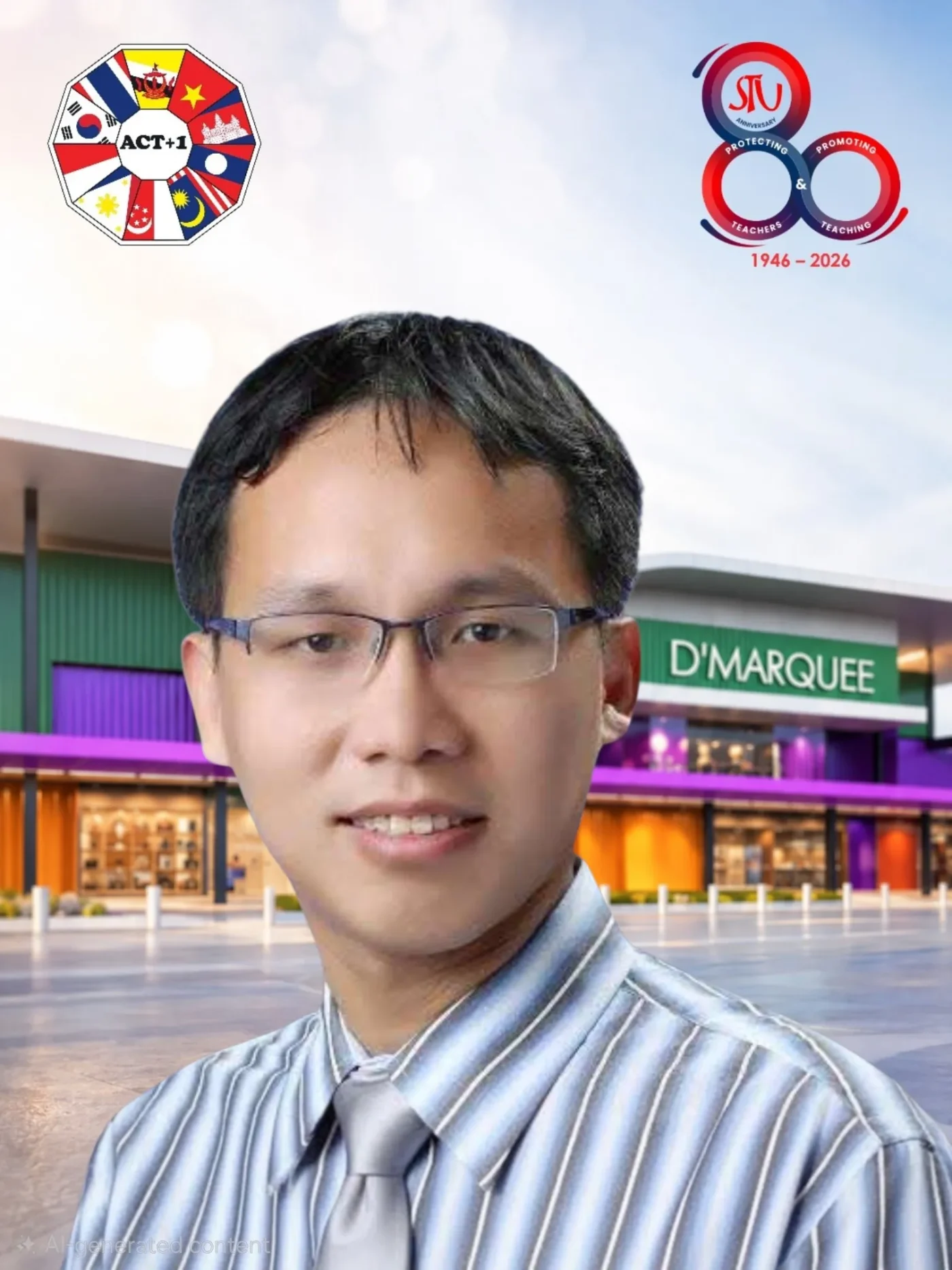
Bullied and stricken with cancer, Ryan bounced back from physical and mental trauma, driving his desire to empower others even at a young age. In a fast-evolving BANI world, Ryan brands himself as a tech humanist - forging a future Renaissance where humanity and technology thrive harmoniously. He also serves as a passionate trainer for multiple education-based enterprises, having equipped 10,000+ youth, parents & professionals with 21st century life skills through his ambitious, energetic delivery style. Ryan’s strategically-honed expertise as an award-winning Youth Coach, Design Thinking Specialist and GenAI Consultant has also been referred to large-scale collaborations with local enterprises and large organisations such as Google.org, ASEAN Foundation and Samsung. He identifies and amplifies his audiences' strengths through mindsets of accelerated learning, compounding growth, and exponential impact. Ryan is obsessed with the future of education and in the classroom, where teachers & students journey into imaginative worlds shaped by their diverse inputs, and brought to life through a strategic arsenal of GenAI tools, operating smoothly at speed and with almost no cost. The teacher steers control of the tools, ensuring ethical and responsible use amidst varied student suggestions keeping themselves irreplaceable and above the grind.

Jiawen Wan is the Education Lead for Singapore at Google for Education, where she works closely with educators, school leaders, and key education stakeholders to advance meaningful digital transformation across Singapore’s education landscape. In her role, Jiawen leads strategic partner engagement and supports educational institutions in exploring how technology can enhance teaching, learning, collaboration, and organisational effectiveness. She is passionate about helping educators harness digital tools thoughtfully and purposefully, with a strong focus on ensuring that technology serves educational goals and empowers teachers and learners. Drawing on her experience in education technology and stakeholder engagement, Jiawen collaborates with educators and academic leaders to identify opportunities for innovation, strengthen digital capabilities, and support the effective adoption of technology in educational settings. Her work bridges the possibilities offered by emerging technologies with the practical needs and aspirations of educators. As artificial intelligence continues to reshape education, Jiawen contributes to conversations on how educators and institutions can navigate this evolving landscape while keeping pedagogy, professional agency, and meaningful human relationships at the heart of learning. Through her work at Google for Education, Jiawen remains committed to building strong partnerships with the education community and supporting educators as they prepare learners for an increasingly digital and AI-enabled future.
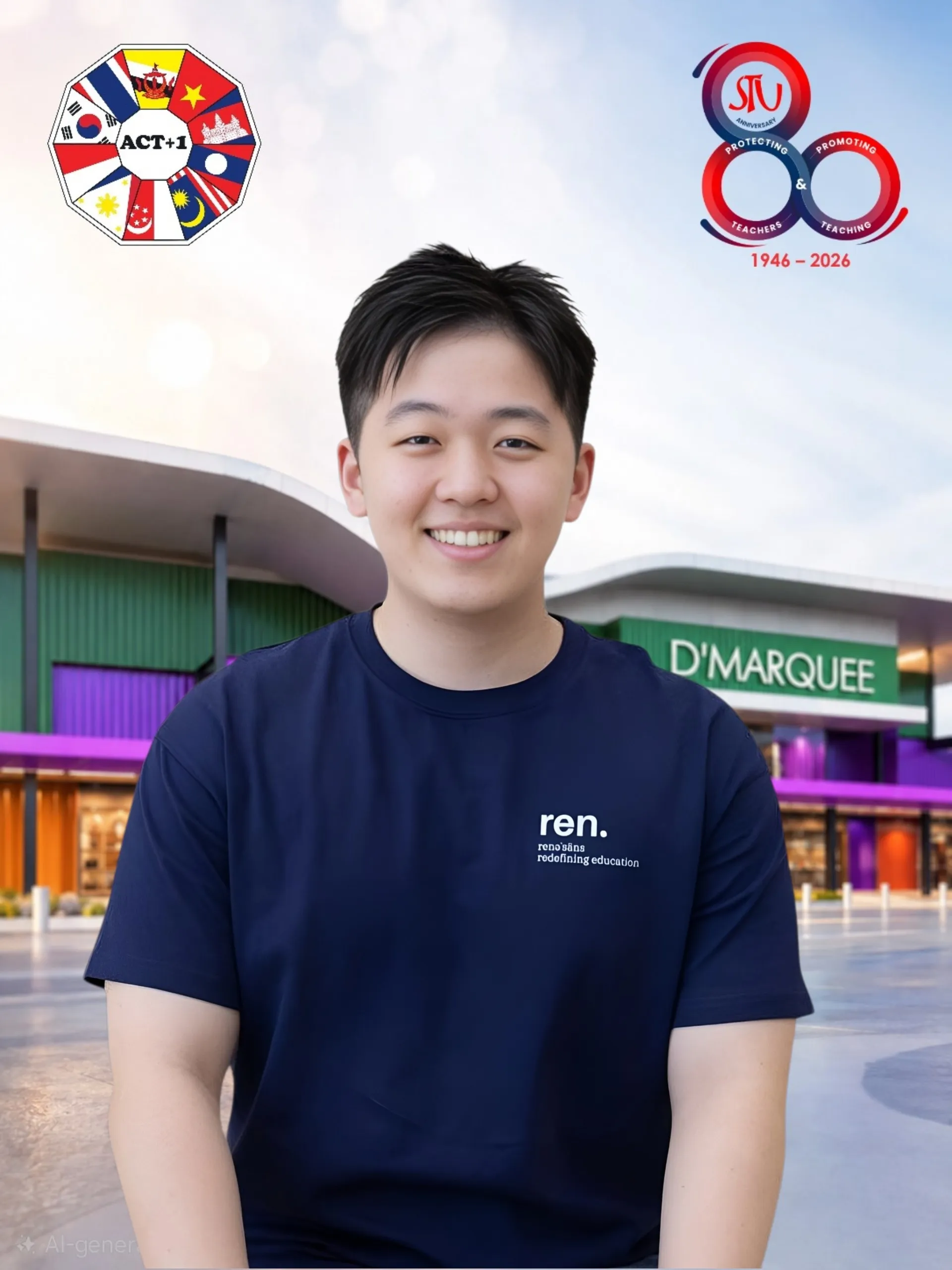
Wong Eu En is the CEO and Co-Founder of Ren Education, a Singapore-based edtech company building AI grading and analytics tools for schools and junior colleges. Eu En began as a General Paper tutor, running his own tuition academy from 2022. That experience - watching students fall behind not from lack of ability but from lack of timely, detailed feedback — became the founding insight behind ren. He is finishing his Bachelor of Computing (Computer Science) from NUS and continues to teach today, keeping one foot in the classroom as ren. grows. Ren Education's flagship product automates the marking of essays and structured questions with 98.4% benchmarked accuracy, returning rubric-aligned feedback to students and per-class analytics to teachers — reducing turnaround from weeks to a single day. The platform is now active across 12+ institutions, reaching 50+ teachers and over 5,000 students. Eu En's mission is simple: quality feedback should be a baseline for every student - not a luxury. Ren Education builds the ecosystem for teacher empowerment, not replacement in the age of AI.
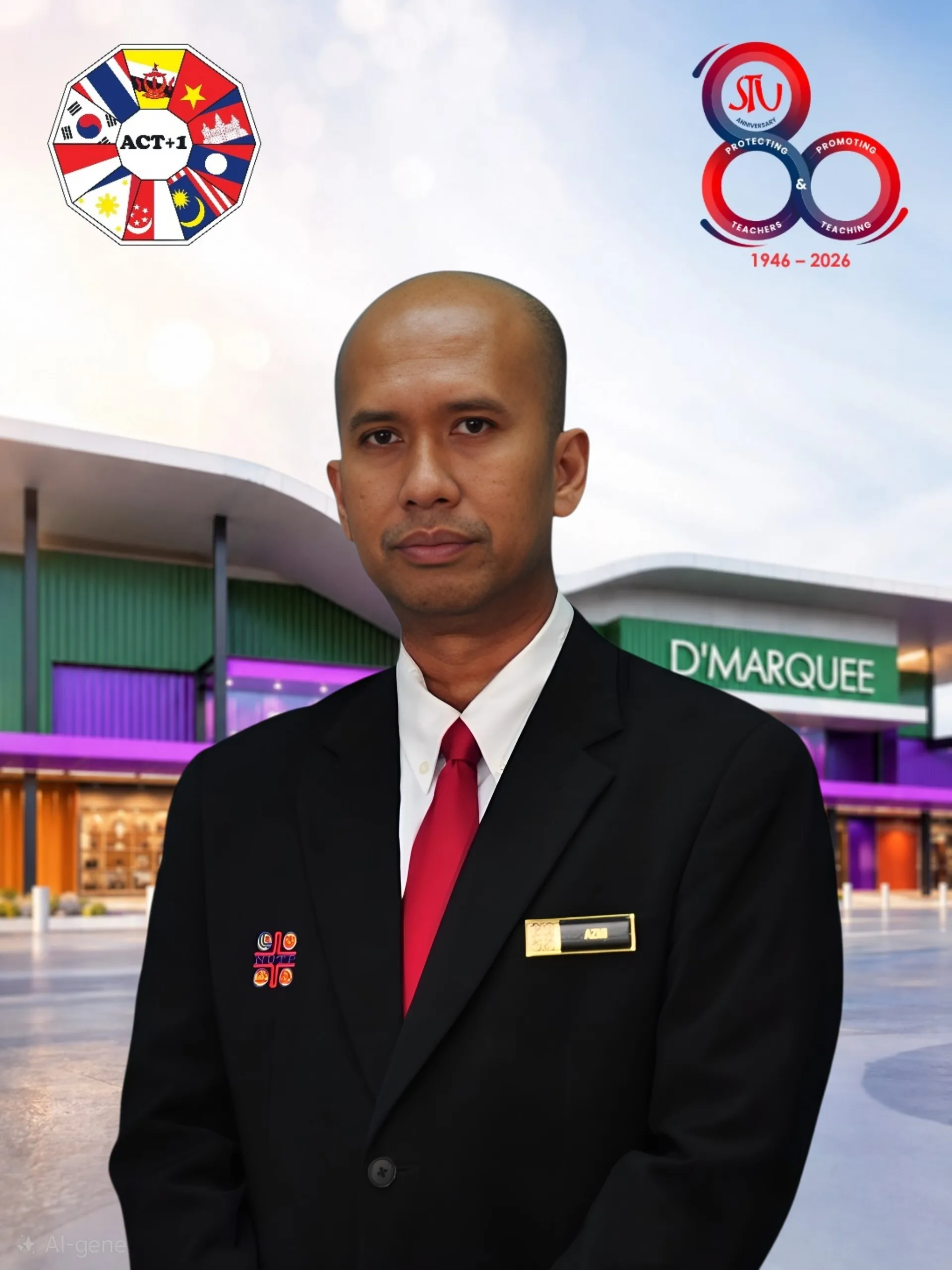
Azmi Bin Ahmad Sapian is a Malaysian educator, educational leader, union strategist, and emerging scholar with over 25 years of experience in education, teacher professionalism, policy advocacy, and institutional leadership. Throughout his career, Azmi has contributed extensively to teaching, curriculum implementation, assessment coordination, teacher development, and educational leadership. His strong commitment to education and public service has led him to several national leadership roles, including Treasurer General of the National Union of the Teaching Profession (NUTP), Secretary of CUEPACS Negeri Melaka, Assistant Secretary for Majlis Bersama Kebangsaan Pengurusan dan Profesional, and Council Member of the Communication and Multimedia Content Forum of Malaysia. Currently, Azmi is a PhD researchers in Education focusing on empowering teachers’ unions and strengthening the role of teachers’ organisations in educational transformation, professional advocacy, and policy development. He has also contributed to academic publications includes journals and books, and conference presentations in areas such as educational leadership, educational governance, human resource management, teacher professionalism, and union advocacy. Beyond his academic and professional roles, Azmi is actively involved in community engagement, motivational programmes, educational outreach, leadership training, and teacher development initiatives. Azmi’s professional philosophy is grounded in teacher empowerment, ethical leadership, professional dignity, and sustainable educational transformation. With his combined experience in education, union leadership, policy advocacy, and research, he continues to contribute meaningfully to Malaysia’s educational development and reform.
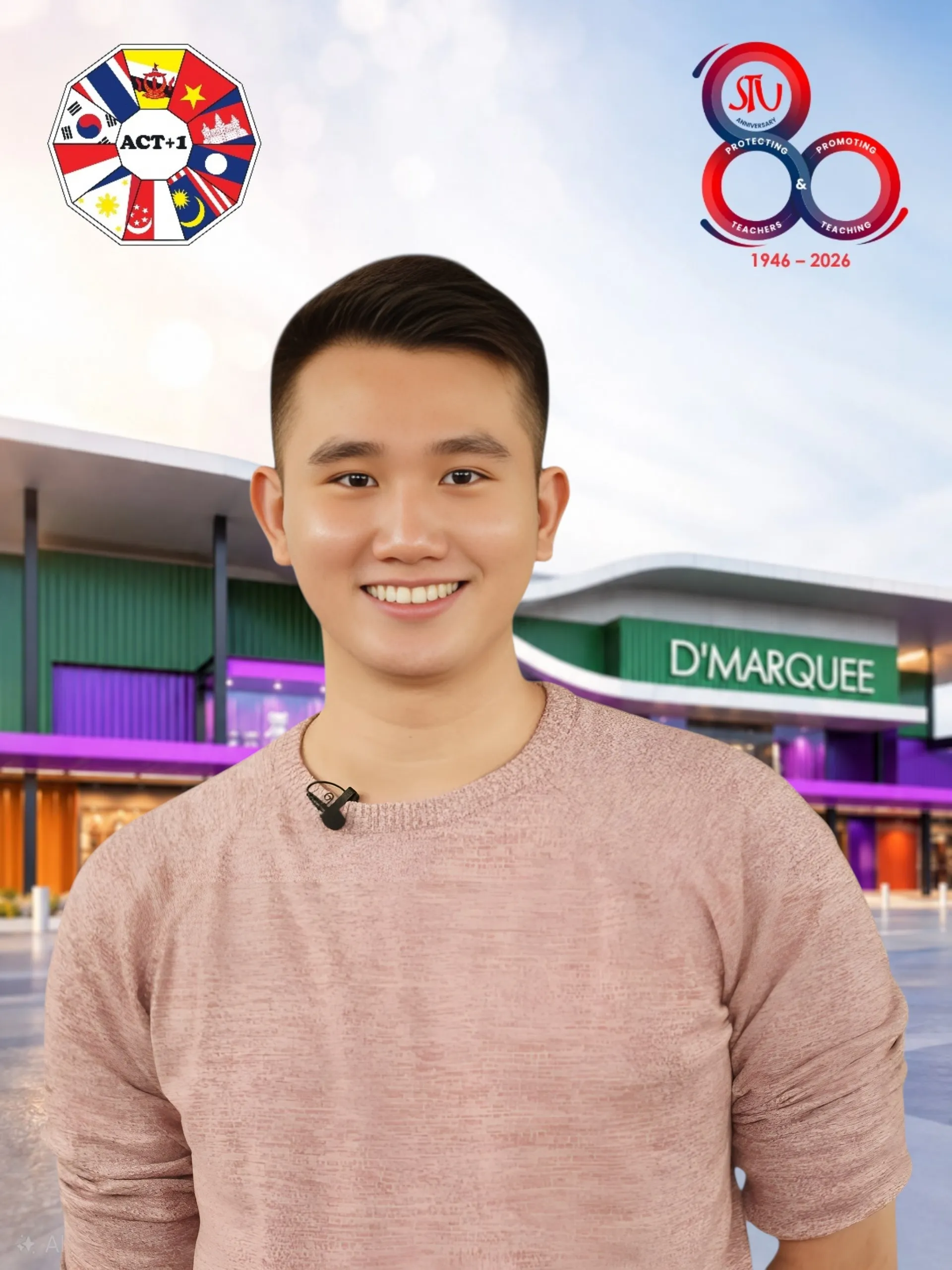
Benjamin Chong is an educator from Singapore who teaches English Language and Social Studies. His professional interests lie in the intersection of artificial intelligence, language education, humanities education and digital literacy. Since joining the teaching profession in 2024, he has been exploring how AI can be thoughtfully integrated into classrooms to enhance learning, foster critical thinking and support student engagement. Benjamin is interested in how AI can support the development of communication, writing and critical literacy skills. In Social Studies, he explores how AI can be used to strengthen students’ abilities to analyse sources, evaluate information and navigate complex issues in an increasingly digital world. He is particularly passionate about helping students become responsible and discerning users of technology who can think critically about the opportunities and challenges presented by AI. As an early-career educator, Benjamin values continuous learning and collaboration with fellow educators. He believes that while AI has the potential to transform teaching and learning, meaningful relationships and thoughtful pedagogy remain at the heart of education. Through participating in the ACT+1 Convention, Benjamin looks forward to learning from educators across the region, exchanging ideas on innovative practices, and contributing to conversations on how AI can support human-centred learning in both language and humanities education.
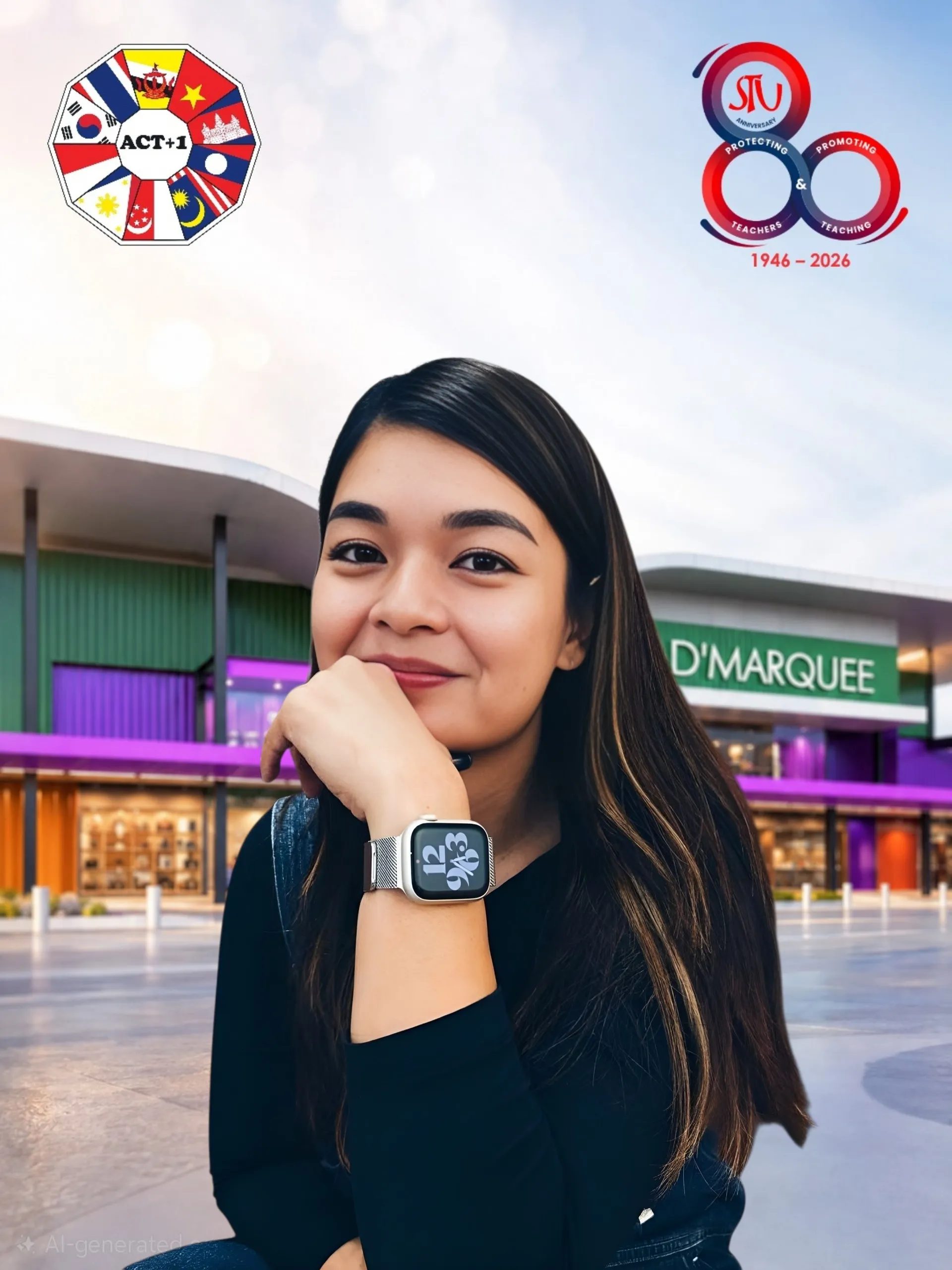
Erica Reyes Rodriguez is a Senior Teacher of English at Manjusri Secondary School who believes that language education must continually evolve to meet the needs of contemporary learners. Guided by the conviction that technology should amplify student agency and self-directed learning, her professional focus lies in harnessing Generative Artificial Intelligence (AI) to personalise language mastery. She firmly believes that meaningful teaching stems from reflective inquiry, evidence-based practice, and empowering every student. As a Professional Learning Team (PLT) Leader, Erica translates her pedagogical beliefs into action by guiding colleagues in integrating Generative AI tools for writing. Driven by a belief in authentic student discourse, she championed Exploratory Talk strategies in her department, strengthening oral communication and perspective analysis. She also shapes school culture through the Student Leadership Committee and has coordinated the English Language Festival in Manjusri Secondary School. Believing that professional growth thrives through collaborative inquiry, Erica actively builds teacher capacity. In 2024, she was given the Associate of AST award (Facilitator of Workshops) in recognition of her contributions to fraternity learning. Having completed the Advanced Specialist Certificate in Teaching Reading and Writing under a RELC scholarship, she remains dedicated to translating advanced literacy research into transformative classroom practice.

Faith Ong has taught English Language at the Secondary level for more than 15 years. She was a recipient of the Fulbright Distinguished Awards in Teaching Program for International Teachers in 2023 and a member of the Smart Nation Educator Fellowship 2026. She has a strong interest in integrating language pedagogy, assessment design and technology to create meaningful learning experiences. This has led her to focus on how assessment can support learning, and to work with teachers in her school and beyond on developing student engagement through assessment in both AI and non-AI-enabled classrooms. As a teacher-researcher, Faith has published a book chapter in Teaching Literature in Singapore Secondary Schools (Pearson Education South East Asia, 2013) and an article for the English Language Institute of Singapore (ELIS) in 2016. In 2021, she published "Teaching Shakespeare — Star Crossed Profiles: Romeo and Juliet in a Singapore Classroom" in English Journal by the National Council of Teachers of English. She believes that fostering a community of 'intellectual life' requires thinking to be valued in all classrooms, with technology used purposefully to develop student agency and amplify students' voices. As a Lead Teacher, she is committed to teachers' professional development and advocates a strong mentoring culture in schools.
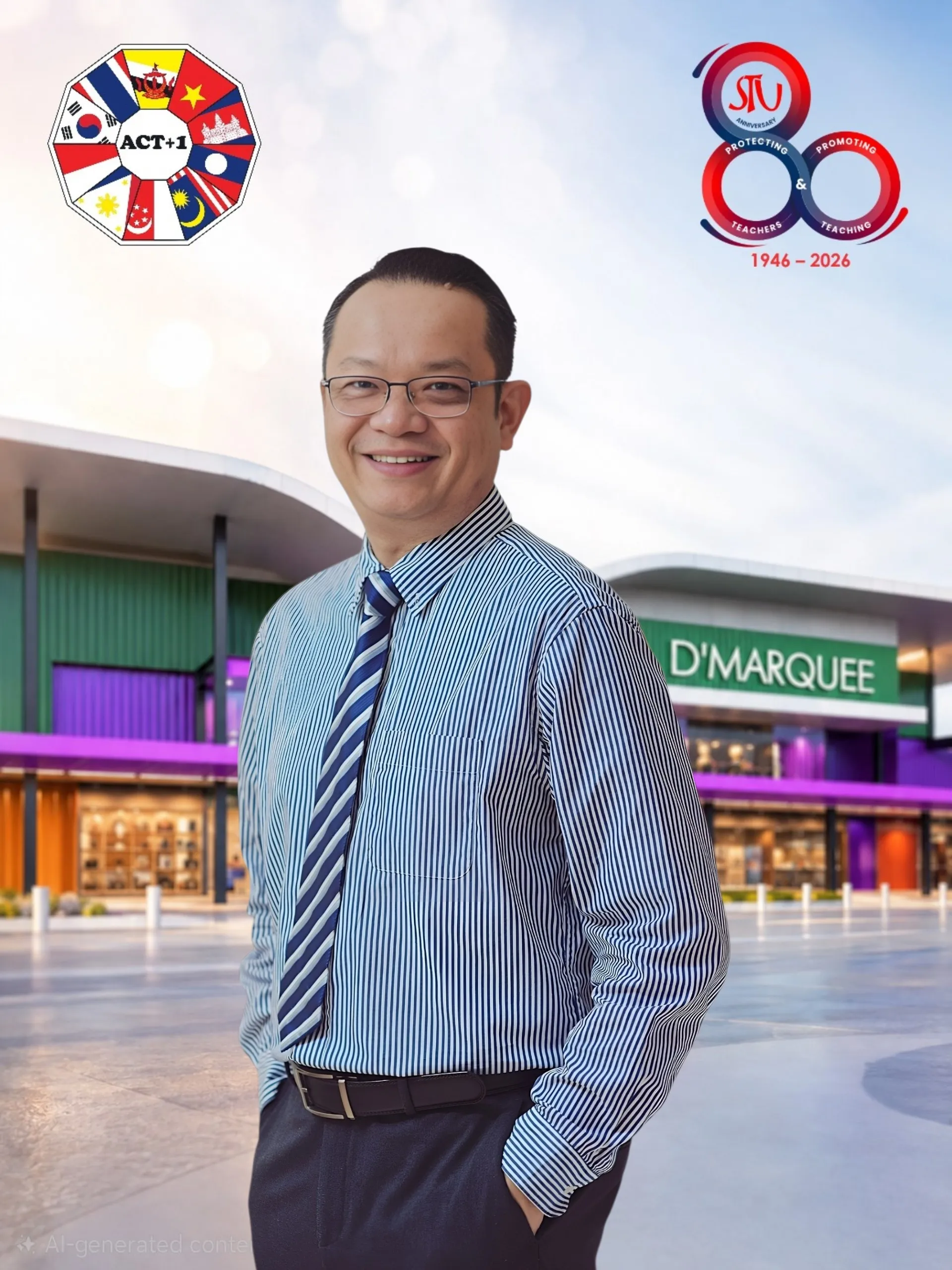
Ghazali is a lead teacher who mentors fellow teachers, guiding them in implementing effective teaching strategies, and fostering a collaborative culture within his school and the cluster of schools as well. He was the recipient of the MOE Outstanding Innovator Award and Academy of Singapore Teachers Professional Development Innovator (Technology for Learning) Award in 2025. This year he is the Keynote speaker for the Dyslexia Association of Singapore's UNITE Conference in June, where he will share insights on the evolving role of AI in supporting inclusive and impactful education. Through his leadership, innovation, and generous sharing of knowledge, Mr Ghazali continues to inspire educators to embrace change with confidence, purpose, and a deep commitment to the learners they serve.

Ha, Haeji is an elementary school teacher at Yangji Elementary School with a strong dedication to future-oriented education. She holds a B.A. in English Education from Busan National University of Education and an M.A. in Elementary English Education from Chinju National University of Education. Currently, she serves as the Senior Vice-Chair of the 2030 Youth Committee and a member of the Policy Advisory Committee at the Korean Federation of Teachers’ Associations (KFTA), working actively to bridge the gap between classroom realities and educational policy. As a Ministry of Education-certified AI Lead Teacher and an instructor for the Gyeongnam/Gyeonggi Provincial Office of Education, she has been instrumental in shaping digital education frameworks. Her expertise extends to operating multicultural and AI-focused model schools and developing content as a TF member for the Gyeongnam Future Education Institute. Her commitment to fostering innovative learning environments and building a sustainable educational ecosystem earned her a commendation from the Superintendent of Education in 2024.

John Expe D. Satinitigan is an accomplished educational leader, mathematics educator, and public servant committed to advancing excellence in Philippine education. He currently serves as School Principal in the Department of Education of the Philippines and as a Member of the Philippine Public School Teachers Association (PPSTA) National Board of Trustees, where he contributes to initiatives that promote teacher welfare and professional growth across the country. He earned his Master of Science in Teaching, major in Mathematics, from Davao Oriental State University, reflecting his strong academic foundation and commitment to lifelong learning. Throughout his career, he has championed transformative school leadership, evidence-based educational practices, and collaborative partnerships that enhance learner success and institutional development. Recognized for his integrity, visionary leadership, and dedication to public service, Satinitigan continues to inspire educators and stakeholders by fostering innovation, accountability, and excellence. His firm belief that empowered educators are the cornerstone of quality education continues to guide his leadership and service.

Dr Dai Hwee Tan is Master Teacher of Economics at the Academy of Singapore Teachers based at Ministry of Education (MOE) Singapore. Prior to this appointment, she was an economics classroom teacher for almost two decades. In her current role, she spearheads and promotes networks of learning among economics teachers in Singapore’s junior colleges. She also contributes to uplifting pedagogical standards and deepening the economics subject discipline through workshops and other professional learning opportunities that she conducts and organizes. Dai Hwee’s professional and research interests are in formative assessment, feedback, and self-regulated learning. Currently, she is leading a group of teachers to explore innovative ways to harness GenAI to enhance teaching and learning, with a focus on deepening students' understanding, and empowering teachers to leverage AI for Differentiated Instruction, Inquiry-based learning, and formative assessments such as self- assessment, feedback, and marking.
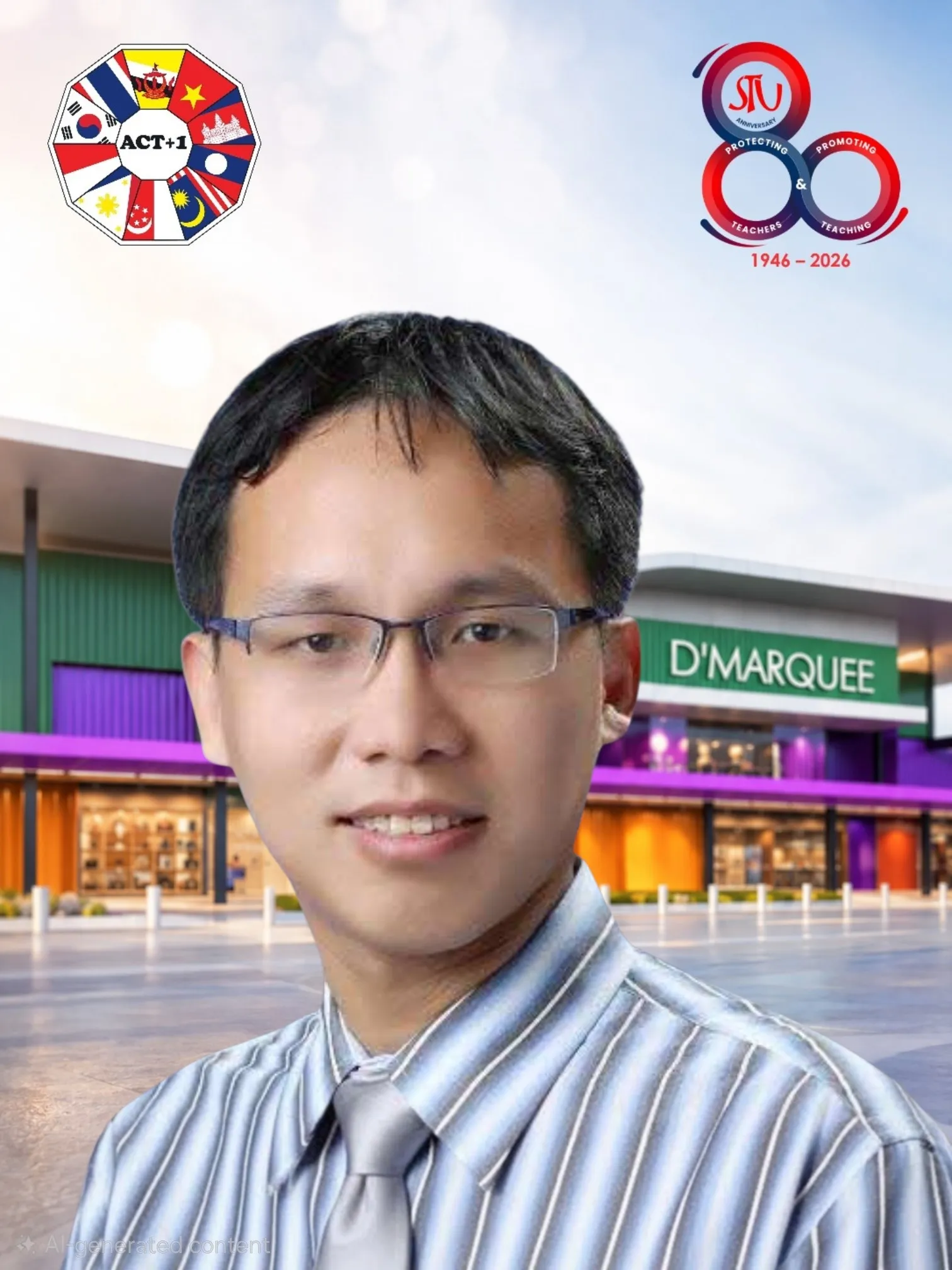
Chia Hai Siang has been involved in public education in Singapore over the last 25 years. Beginning as a teacher of English Literature and General Paper in Raffles Junior College, Mr Chia has served subsequent stints in Planning Division, Ministry of Education (MOE), as a Subject Head in East Spring Secondary, Vice Principal (Instructional Programmes) at NorthLight School, and finally as Principal, Shuqun Secondary. From 2016 -18, he was the Principal Analyst for Technology in the Strategic Group at the Prime Minister’s Office, Singapore. He rejoined MOE in 2018 and served as Product Owner, Singapore Student Learning Space (SLS) and AI in Education (AIEd) solutions from 2018 to 2025. He is currently a Principal Specialist and Advisor, X-Labs in the Technologies for Learning branch, Education Technology Division, and leads MOE’s rapid research efforts on innovative use of ICT in teaching and learning. He holds an Honours Degree (Second Upper) in English Literature from the National University of Singapore, a Postgraduate Diploma in Education (Pass with Merit) from the National Institute of Education and a Masters in Education (Learning and Teaching) from Harvard Graduate School of Education. Employment and Education

Cho Hee-jung is an elementary school teacher at Poil Elementary School with over 22 years of classroom experience. She holds a B.A. in English Education from Gyeongin National University of Education and an M.A. in AI-based Creative Convergence Education from Chung-Ang University. As an AI and Digital Lead Teacher for the Gyeonggi Provincial Office of Education, she has spearheaded digital transformation efforts, notably co-authoring the office's authorized Grade 6 textbook on AI literacy and delivering professional development for fellow educators. She also serves as an advisory member on curriculum policy and teacher competency for educational authorities. Her professional work is driven by the belief that the true power of AI in schools is found in how it enables teachers to forge deeper connections with their students. This commitment to human-centered pedagogy was recognized with an award from the Minister of Education in December 2025 for her policy proposal in the national "Building Schools Together" competition.
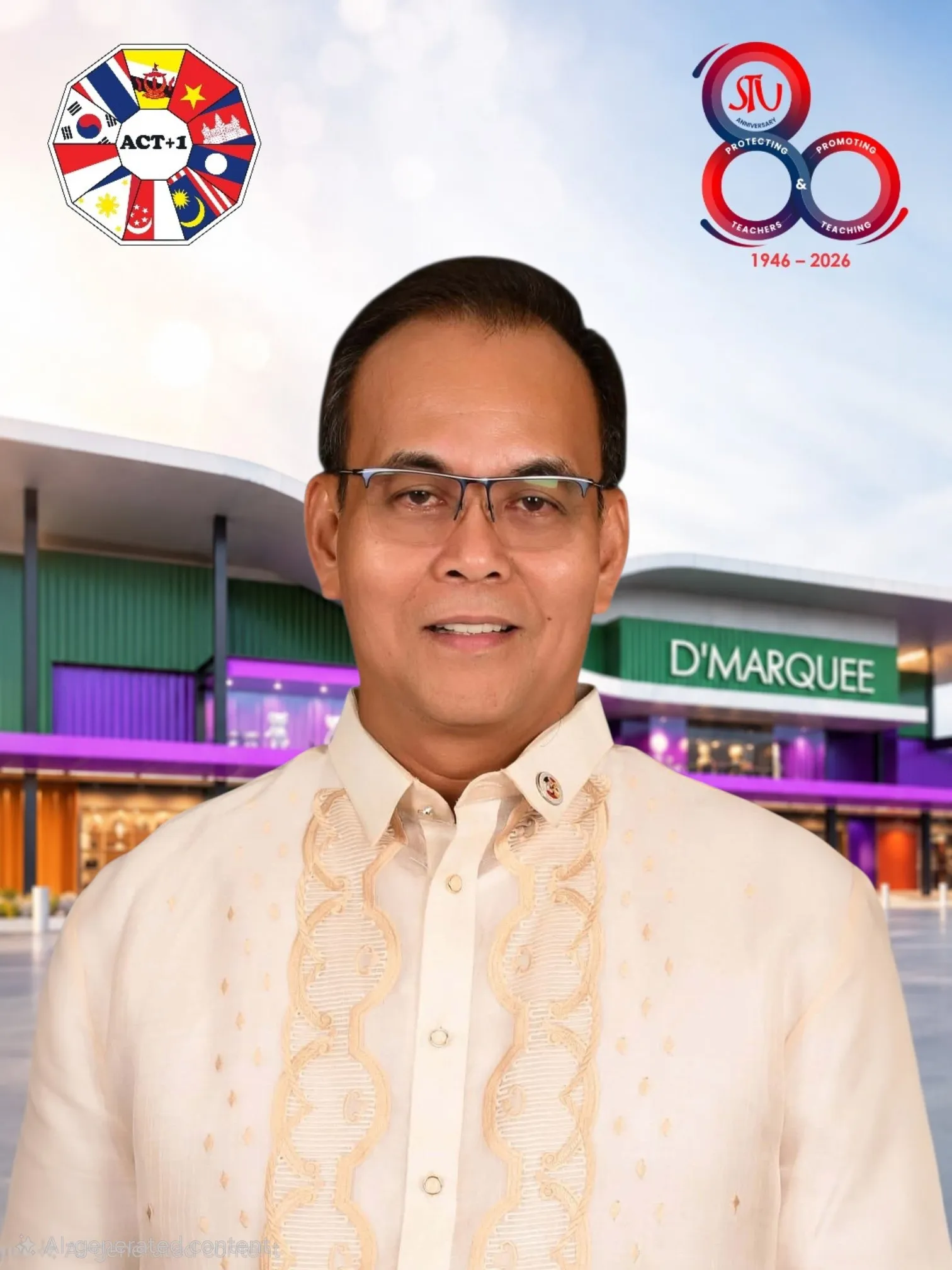
With over three decades of dedicated service in education, Dr. Manuel Purog Albaño, CESO VI, is a distinguished educational leader, administrator, and advocate for teachers’ welfare. He currently serves as Schools Division Superintendent of the Schools Division of Baybay City, where he champions quality education, good governance, digital transformation, and learner-centered reforms. A Doctor of Philosophy in Educational Management and lifelong learner, Dr. Albaño graduated Cum Laude in his Bachelor of Science in Industrial Education (Electronics), earned the Most Functional Research Award for his master’s research, and received the Best Dissertation Award for his doctoral studies. Throughout his career, he has consistently demonstrated excellence in instructional leadership, educational planning, quality assurance, research, disaster preparedness, and organizational development. Beyond the Department of Education, he serves as National President of the Philippine Public School Teachers Association (PPSTA) and National Vice President of the Philippine Association of Schools Superintendents (PASS) leading nationwide initiatives that advance teacher welfare, professional development, health and wellness, financial services, and strategic partnerships benefiting educators across the Philippines. Recognized for exemplary public service and educational leadership, Dr. Albaño continues to inspire excellence through integrity, innovation, and servant leadership, empowering educators and promoting inclusive, equitable, and transformative education for every Filipino learner.
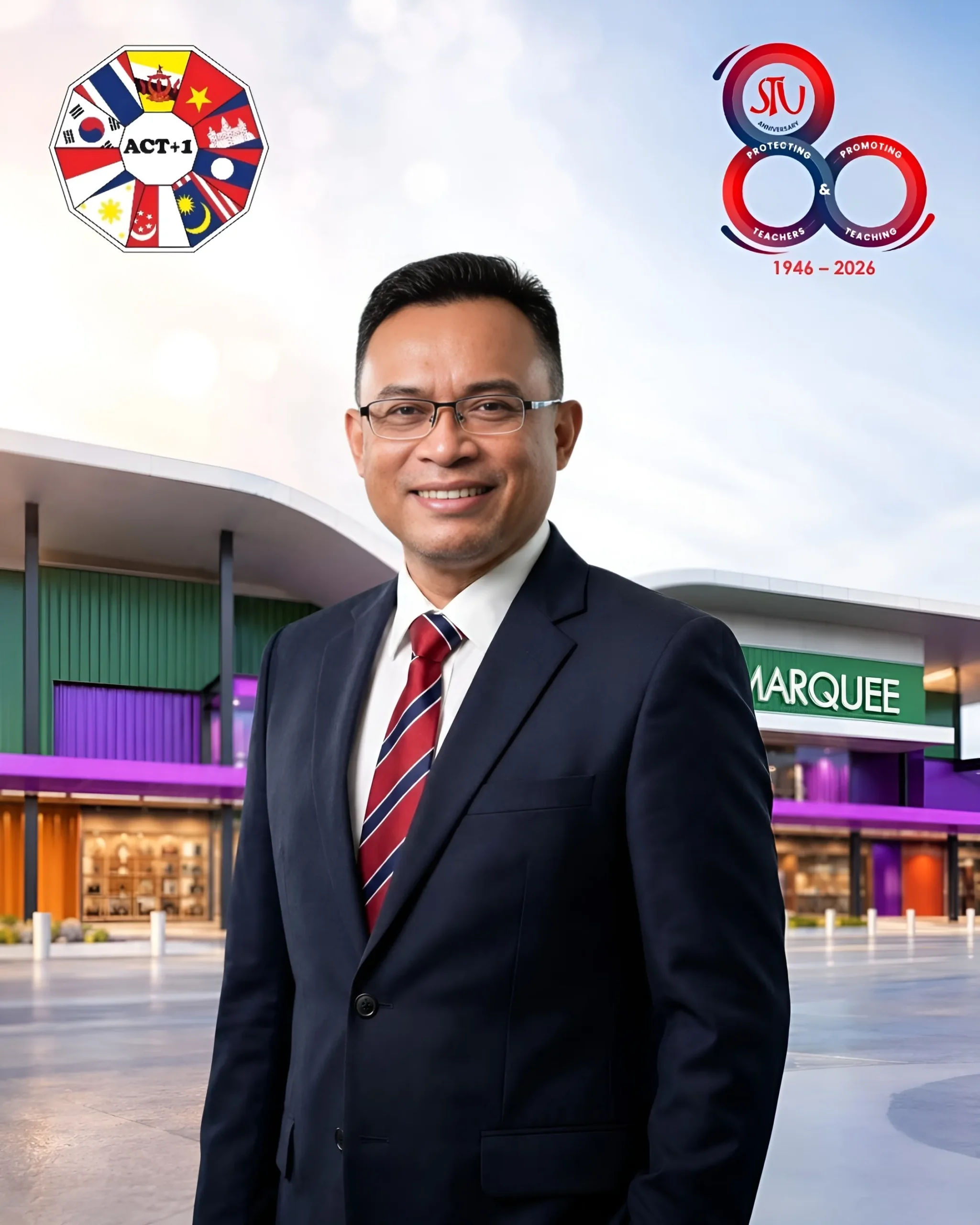
Dr. Mohd Nazri Abdul Rahman holds the Associate Professor, Faculty of Education, Universiti Malaya. Started service as a teacher (Guru Cemerlang) at SM St Mary, Sandakan (1998-2007) before serving as an Pensyarah Cemerlang at the Teacher Education Institute, Kent Campus, Sabah (2008-2014) and Teacher Education Institute, Tuanku Bainun Campus, Penang (2015). In November 2015, he started working at the Faculty of Education, Universiti Malaya. He holds a Ph.D in Curriculum Design and Development from the University of Malaya. He actively researches and publishes in the areas of early childhood education, homeschooling, indigenous people and teaching and learning innovation. He is especially known for his homeschooling model for Orang Asli children which has reframed current ways of teaching Orang Asli children by tapping into the advantages of alternative education in Malaysia. His works have been published in Malaysian and International journals. He also published books on Pendidikan Alternatif Homeschooling, Design and Developmental Research and Kurikulum: Satu Disiplin yang Dinamik. He has received several recognitions for his teaching and research including awards such as Faculty of Education Excellent Post Graduate Student 2014; Excellent Thesis 2014; Anugerah Cemerlang Universiti Malaya (Penyelidik Muda) 2018 and Anugerah Jalinan Masyarakat UMCares 2017. He has also won the Anugerah Guru Inovatif Kebangsaan 2003, 2004 and 2006 for his teaching and learning projects. He also been involved in consultation projects and research related to Bully, Community engagement and future education.
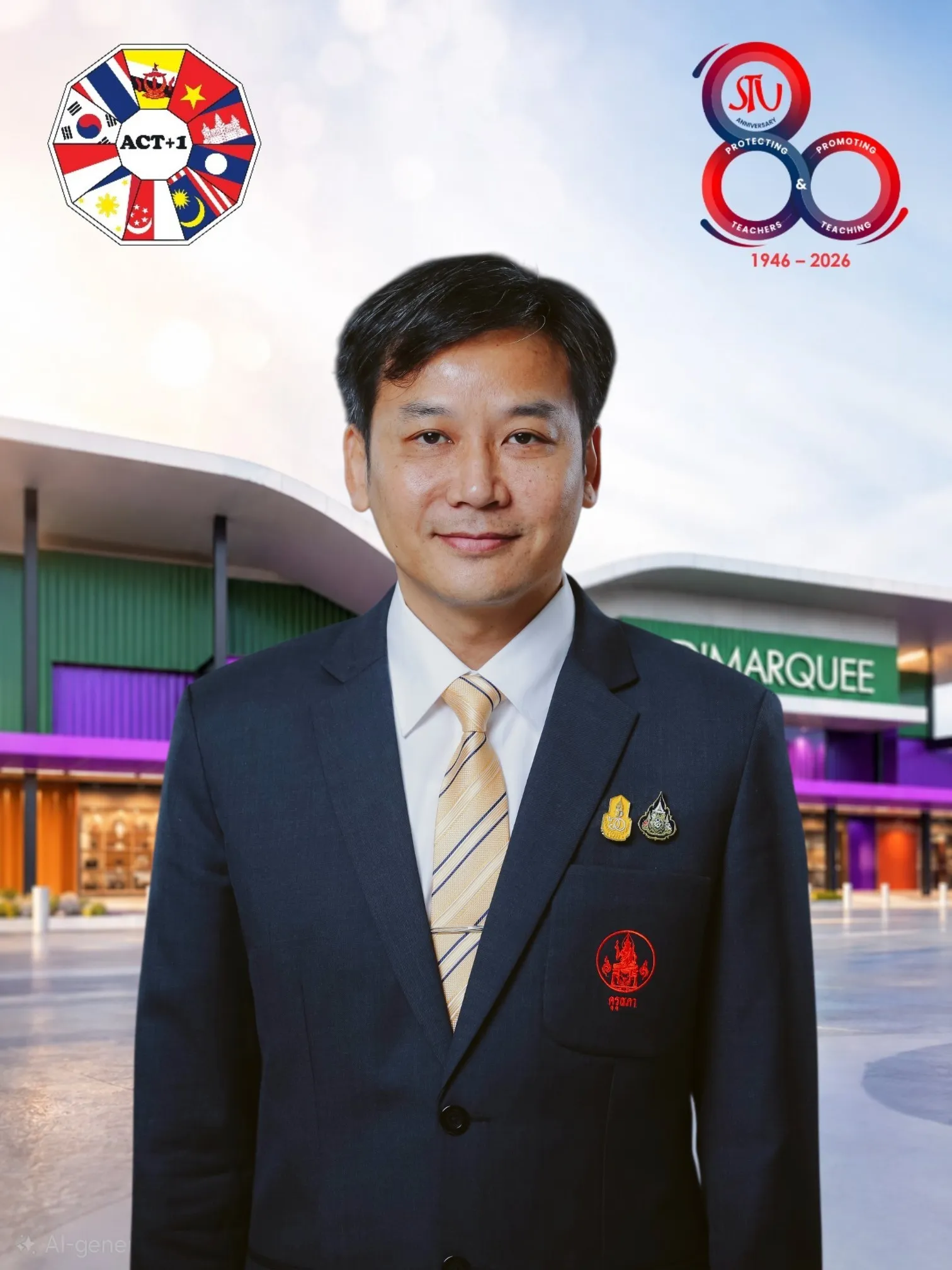
Asst. Prof. Dr. Phonraphee Thummaphan is currently a Deputy Secretary-General of the Teachers’ Council of Thailand. He completed his Bachelor of Education in Elementary Education from Nakhonratchasima Rajabhat University, his Master of Education in Educational Research from Chulalongkorn University, and his Doctor of Philosophy in Applied Behavioral Science Research from Srinakharinwirot University. To further his expertise in education, he boarded to the United States of America in order to receive a certificate of Individual Concentration in Social Statistics in Education and achieved another Doctor of Philosophy in Measurement and Statistics in the College of Education from the University of Washington, Seattle. He started his career as a teacher and head of the academic affair for lower secondary education at Ban Nonkung School in Amnatcharoen province and worked for the Bureau of Educational Innovation Development at the Office of the Basic Education Commission. After that, he moved to work as a researcher at the National Institute of Educational Testing Service (Public Organization). Before joining the Teachers’ Council of Thailand, his last position was as a lecturer and assistant professor for the Faculty of Learning Sciences and Education at Thammasat University, Thailand. He has noticeably specific skills in various areas such as research, measurement and statistical programming. Furthermore, his areas of expertise are assessment and program evaluation, STEM Learning, and behavioral sciences.
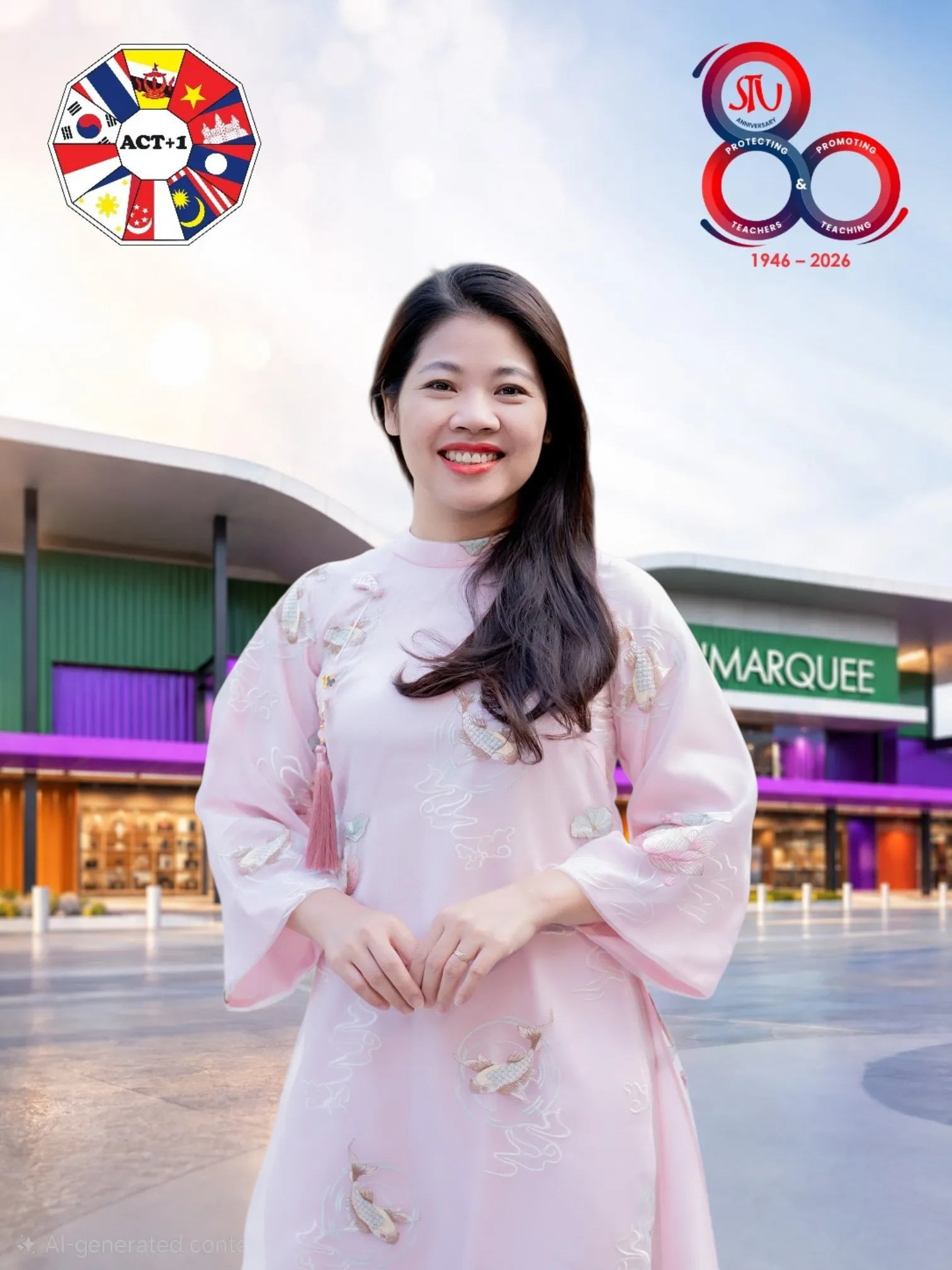
Dr. Quy Trinh Thi is a Senior Lecturer in the Faculty of Educational Management at Hanoi National University of Education, Vietnam. I am also a member of the Executive Committee of the University's Trade Union, affiliated with the Vietnam National Union of Education, and has more than 20 years of experience in trade union activities. Dr. Quy holds a Ph.D. in Education. I am teaching and research focus on teacher education and professional development, educational management, school leadership, and curriculum development and management. I has been actively involved in a range of education projects supported by international organizations, including UNICEF, Plan International, and Save the Children, with a particular emphasis on improving educational opportunities for children in disadvantaged communities and learners with special educational needs. My current academic interests include fostering connectedness in education and promoting students' holistic well-being through supportive learning environments that enhance both their academic development and socio-emotional well-being.
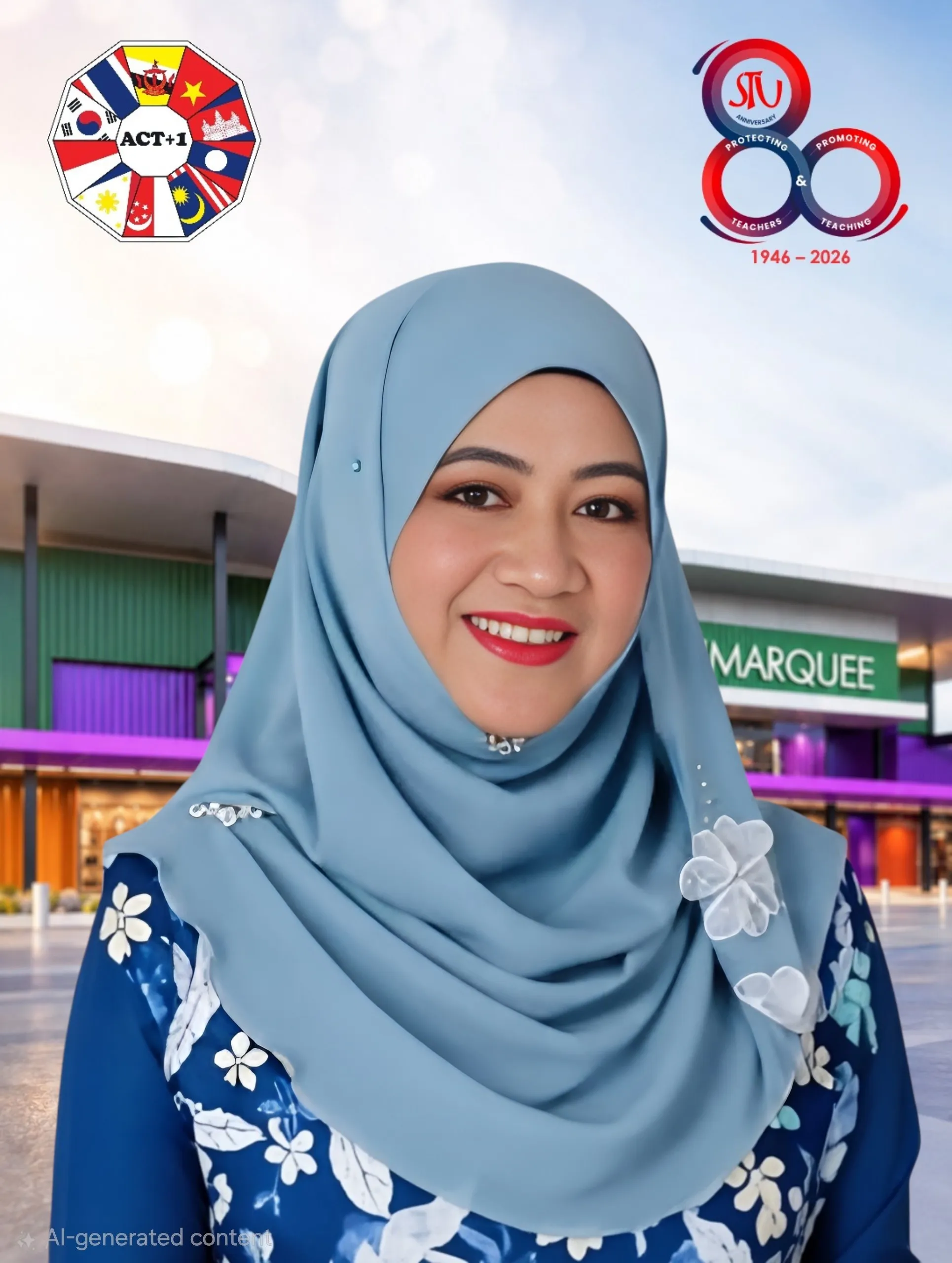
Rasimah binti Haji Abang is the Headteacher of Sekolah Rendah Sengkurong, Brunei Darussalam, with more than 34 years of experience in education and over 19 years as a school leader. She holds a Master of Education in Leadership and School Improvement and has led several primary schools, driving sustainable school improvement through instructional leadership, data-informed decision-making, and collaborative professional learning. Passionate about educational innovation, Rasimah champions the integration of ethical artificial intelligence (AI), digital literacy, and authentic learning to prepare future-ready learners. Under her leadership, Sekolah Rendah Sengkurong developed the AI-Enhanced E-Writing Programme themed ‘Every Child has a Voice’, an innovative initiative that integrates AI, cultural heritage, and international collaboration to empower students as confident writers and responsible digital citizens. Her leadership has contributed to numerous school achievements, including the Government Primary Schools Co-Curricular Excellence Award (2018), sustained improvements in Primary School Assessment (PSR) performance (2017 to 2019) and (2018 to 2020), Whole School Evaluation (WSE) Incentive Awards (2021, 2023, and 2024), and the Gold Award at the 2026 School Innovation Awards. Rasimah has represented Brunei at international leadership programmes, including the Education World Forum (United Kingdom), NIE Singapore, and SEAMEO INNOTECH, and has presented at professional learning events organised by the Ministry of Education and the Brunei Darussalam Leadership and Teacher Academy (BDLTA). In recognition of her professional contributions and leadership excellence, she received the Outstanding Teacher Award (School Leadership) during Brunei's 2025 Teachers' Day Celebration. She remains committed to empowering teachers, strengthening school-community partnerships, and advancing innovative, sustainable education that equips every learner with the knowledge, skills, and values needed to thrive in a rapidly changing world.
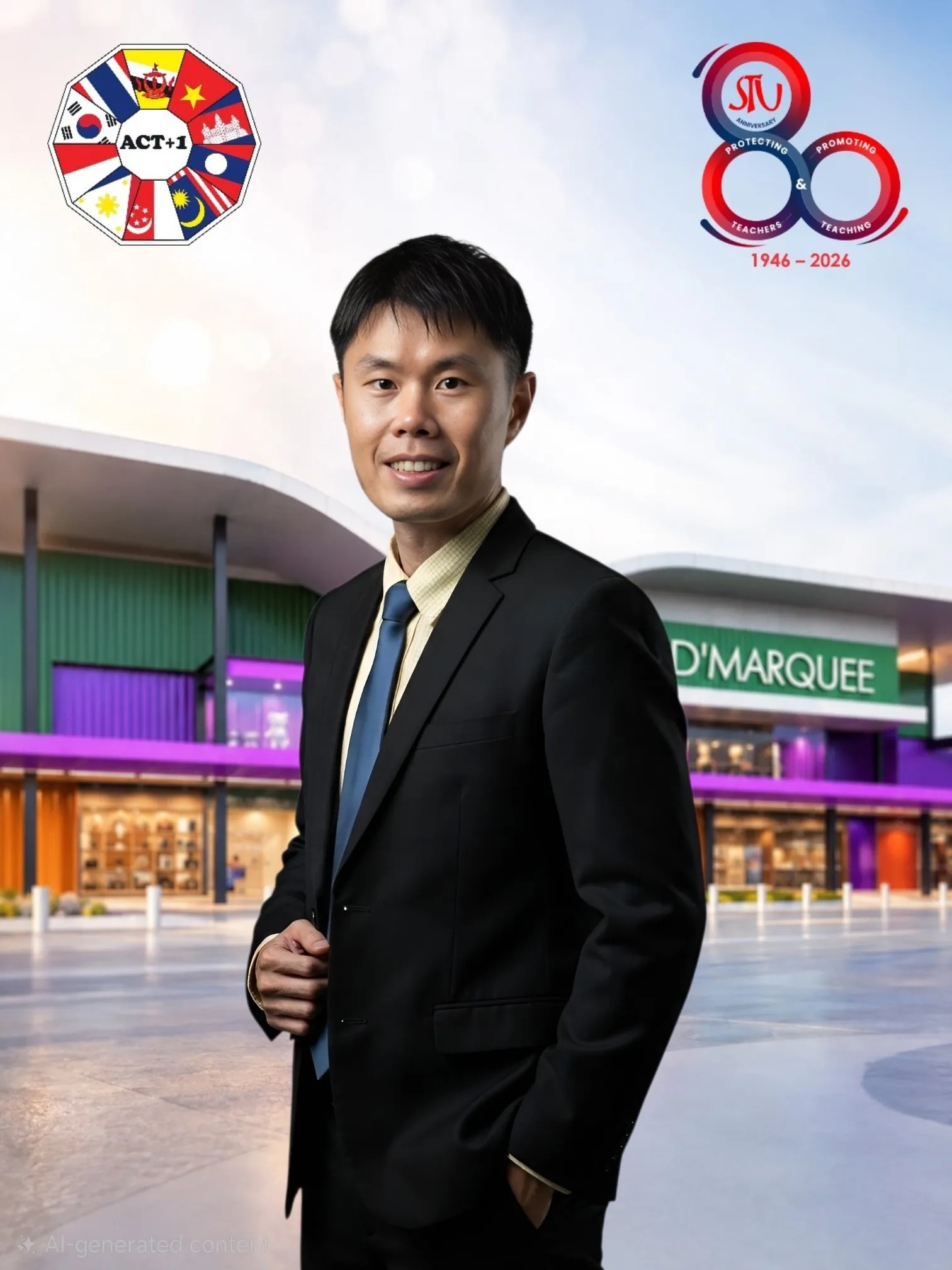
Tham Hanrong serves as the Vice President of the Singapore Teachers’ Union (STU) and is a Chemistry educator at Yishun Innova Junior College. With a decade of dedicated service across the STU Central Council and as a school delegate, Hanrong is a steadfast advocate for teacher wellness, workplace fairness, and the ongoing professional learning of educators. Passionate about nurturing future scientists, Hanrong has contributed to the Singapore Youth STEM Festival (SYSF) for eight years as Chairman and Advisor, providing a platform for middle school students to showcase their science research projects. In his college, he spearheads the Education Career Guidance (ECG) and Internationalisation portfolios. He actively enriches student development by organising career symposiums, securing valuable industry work attachments, and bridging students with alumni networks. In fostering global perspectives, he creates meaningful opportunities for students to host and visit partner schools across the region. Outside his union and college commitments, Hanrong is an avid home baker and coffee enthusiast who treasures quality time with his wife, Hui Leng, and their young son, Enze. He is honoured to be presenting the country report for Singapore at this year’s ASEAN Council of Teachers + Korea (ACT+1) Convention.


Mr Danapal Kumar has served in the Singapore Education Service as a Tamil Language educator for more than 25 years. He is currently the President of the Singapore Tamil Teachers’ Union (STTU), where he works closely with key stakeholders to champion the professional development, welfare, and advancement of Tamil Language teachers in Singapore. Throughout his distinguished career, Mr Danapal has taught Tamil Language at both the Secondary and Junior College levels. He has also served as a Senior Curriculum Planning Officer with the Tamil Language Unit of the Curriculum Planning and Development Division, Ministry of Education, where he contributed to curriculum development and educational initiatives. Subsequently, he served as a Senior Project Officer with the Lee Kuan Yew Fund for Bilingualism Project Office, supporting programmes that promote bilingualism and strengthen Mother Tongue Language education. He is currently a Senior Teacher (Tamil Language) at Serangoon Secondary School. Mr Danapal holds a Bachelor of Arts (History and Economics) from the National University of Singapore and a Master of Education (Tamil Language) from the National Institute of Education. Professionally trained to teach both Tamil Language and History at the Secondary and Junior College levels, he has extensive experience in curriculum design, teacher professional development, and educational leadership. Beyond his school-based responsibilities, Mr Danapal actively contributes to several national committees and community organisations. He serves as a Resource Panel Member for Tamil Language in the National Translation Committee, Ministry of Digital Development and Information (formerly the Ministry of Communications and Information). He is also an Executive Council Member of the Tamil Language Council, a Council Member of the Tamil Promotion Committee under the Ministry of Education, an Advisory Panel Member of the People's Association's Indian Cultural and Language Activities Programme (I-CLAP), and a Resource Panel Member of the Tamils Representative Council (TRC). Committed to the advancement of Tamil language education and the teaching fraternity, Mr Danapal continues to play a pivotal role in shaping educational initiatives, fostering community partnerships, and promoting excellence in Tamil Language teaching in Singapore.

A dedicated educator and mid-career professional with 13 years of experience in primary education in Singapore. Holds a Bachelor of Science in Microbiology from the National University of Singapore and a Postgraduate Diploma in Education from the National Institute of Education, Nanyang Technological University. Prior to entering the education sector, worked as an Assistant Production Engineer, Quality Control Officer, Quality Assurance Officer, and Documentation & Audit Officer, developing expertise in analytical thinking, quality management, compliance, process improvement, and continuous learning. Specialises in teaching Mathematics to low-progress learners and English to mixed-ability learners, while serving as a Form Teacher committed to students’ academic achievement, character development, and well-being. Has led diverse co-curricular programmes, including Robotics, Mathematics Club, Green Club, Malay Dance, and Badminton, fostering leadership, teamwork, creativity, resilience, and environmental stewardship among students. Beyond the classroom, contributes to school improvement through the Staff Well-Being Committee and Mathematics Work Team, and serves as a Central Council Member of the Singapore Teachers’ Union. Passionate about inclusive education, teacher well-being, and lifelong learning, she is committed to sharing evidence-informed practices and collaborating with educators globally to create equitable, engaging, and meaningful learning experiences that empower every learner to reach their fullest potential.
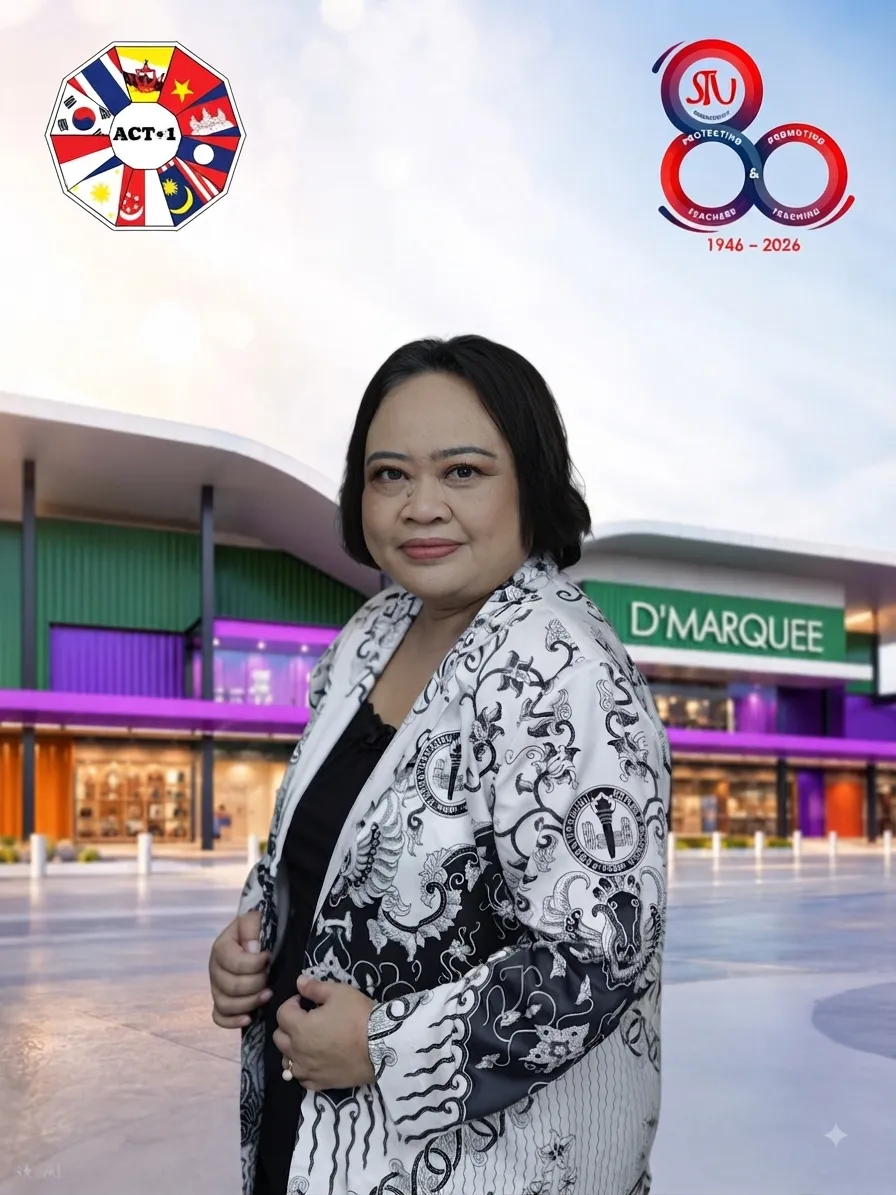
Fransiska Wahyu Ari Susilawati is an Indonesian education leader, curriculum specialist, author, and international trainer with more than two decades of experience in school leadership, teacher professional development, and educational innovation. She currently serves as the Academic Director of Sekolah Bogor Raya, where she leads academic quality, curriculum development, and whole-school improvement initiatives. Prior to this role, she served as HR Development Manager, Principal, Vice Principal, and classroom teacher, giving her extensive experience across every level of school leadership. Throughout her career, she has contributed to the development of Indonesian education as a textbook author, curriculum consultant, educational content creator, and trainer for schools and educational institutions across Indonesia and abroad. Fransiska has represented Indonesia as a keynote speaker at numerous ASEAN Council of Teachers (ACT) conferences and international education forums in countries including Thailand, Singapore, South Korea, Vietnam, the Philippines, and Brunei Darussalam. She is actively involved in PGRI, serving in national leadership roles and contributing to regional educational collaboration through ASEAN professional networks. As an accomplished author, she has written and reviewed numerous school textbooks published by the Indonesian Ministry of Education and Oxford University Press. Her professional mission is to empower educators through innovative pedagogy, leadership development, character education, and the meaningful integration of technology and artificial intelligence to prepare future-ready learners and schools.
Ghazali is a lead teacher who mentors fellow teachers, guiding them in implementing effective teaching strategies, and fostering a collaborative culture within his school and the cluster of schools as well. He was the recipient of the MOE Outstanding Innovator Award and Academy of Singapore Teachers Professional Development Innovator (Technology for Learning) Award in 2025. This year he is the Keynote speaker for the Dyslexia Association of Singapore's UNITE Conference in June, where he will share insights on the evolving role of AI in supporting inclusive and impactful education. Through his leadership, innovation, and generous sharing of knowledge, Mr Ghazali continues to inspire educators to embrace change with confidence, purpose, and a deep commitment to the learners they serve.
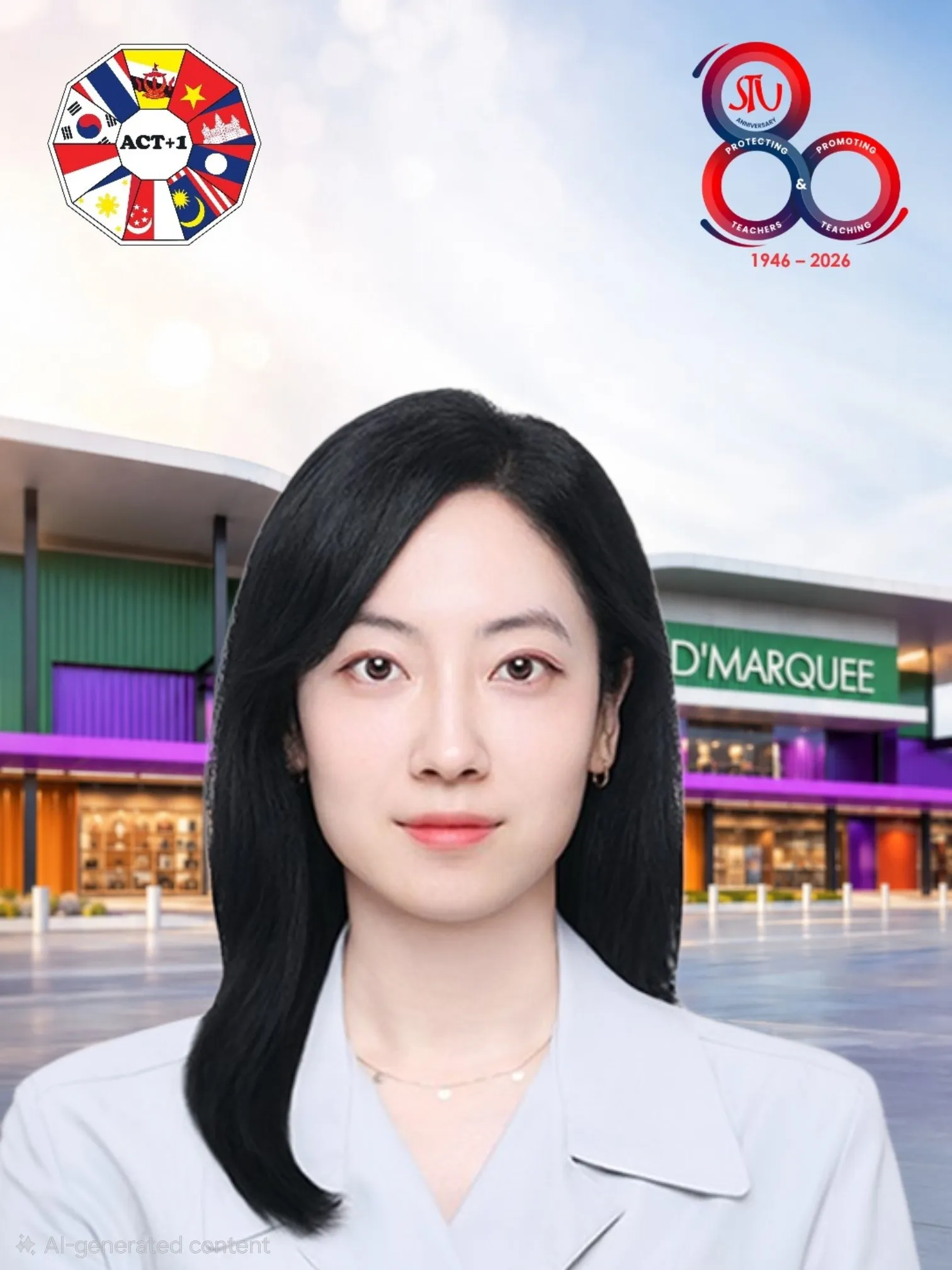
Kim, Kyoung ae is an elementary school teacher at Seoul Sinwol Elementary School with extensive experience in pedagogical innovation. She holds a B.A. in Elementary Education and an M.A. in Elementary Korean Language Education from the Seoul National University of Education. Throughout her career, she has been a leader in educational reform, serving the Seoul Metropolitan Office of Education as a leading teacher in EduTech, Global Citizenship Education, and the 2022 Revised National Curriculum. Currently, she serves as a member of the Ministry of Education’s Character Education Excellent Teacher Network and has been a long-time consultant for the School Violence Prevention Education Consulting Group. As an active voice in the educational community—exemplified by her role as a moderator at the 2025 Seoul International Forum for Education and as the recipient of the 12th Korea Character & Citizenship Education Award—she consistently advocates for the essential role of teacher agency in the age of AI.
Dr Mohd Nazri Bin Abdul Rahman is the associate professor, Faculty of Education, Universiti Malaya. Started service as a teacher (Guru Cemerlang) at SM St Mary, Sandakan (1998-2007), before serving as a Pensyarah Cemerlang at the Teacher Education Institute, Kent Campus, Sabah (2008-2014), and the Teacher Education Institute, Tuanku Bainun Campus, Penang (2015). In November 2015, he started working at the Faculty of Education, Universiti Malaya. He holds a Ph.D. in Curriculum Design and Development from the University of Malaya. He actively researches and publishes in the areas of early childhood education, homeschooling, indigenous people, and teaching and learning innovations. He is especially known for his homeschooling model for Orang Asli children, which has reframed current ways of teaching Orang Asli children by tapping into the advantages of alternative education in Malaysia. His works have been published in Malaysian and international journals. He also published books on Pendidikan Alternatif Homeschooling, Design and Developmental Research and Kurikulum: Satu Disiplin yang Dinamik. He has received several recognitions for his teaching and research, including awards such as Faculty of Education Excellent Postgraduate Student 2014, Excellent Thesis 2014, Anugerah Cemerlang Universiti Malaya (Penyelidik Muda) 2018 and Anugerah Jalinan Masyarakat UMCares 2017. He has also won the Anugerah Guru Inovatif Kebangsaan 2003, 2004 and 2006 for his teaching and learning projects. He has also been involved in consultation projects and research related to bullying, community engagement and future education.

Nicholas Lim is an educator, learning designer, and unapologetic learning enthusiast. Trained as a Biology teacher, his curiosity about how people learn has led him far beyond the science classroom into teacher professional learning, leadership development, and organisational development. Across these experiences, Nicholas has been drawn to a common question: what helps people grow? This has shaped his interest in everything from metacognition and self-regulated learning to leadership, culture, and organisational change. Today, he designs and facilitates developmental experiences for educators, leaders, and adult learners, drawing connections between learning, leadership, and human development. Nicholas is particularly interested in translating ideas across contexts. Whether applying principles of adult learning to Biology education, or borrowing insights from education to shape leadership and organisational practices, he enjoys making sense of complexity and turning ideas into action. As a millennial who grew up before smartphones, witnessed the rise of the internet and social media, and now navigates the age of generative AI, Nicholas is increasingly curious about how technology is reshaping the way we learn, think, and work. More importantly, he wonders what human capabilities - such as reflection, judgement, agency, and meaning-making - will become even more valuable in an AI-enabled future.
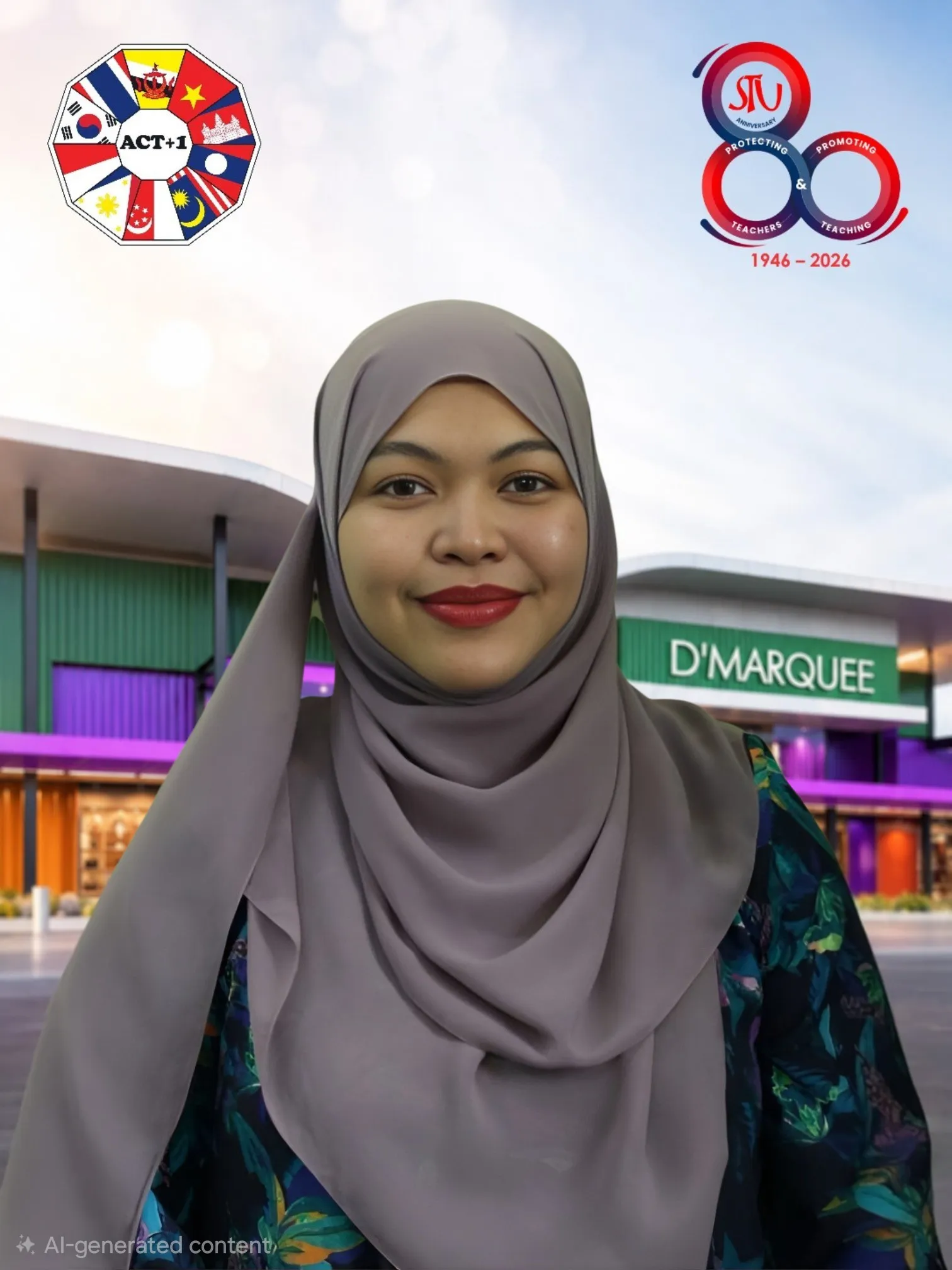
My name is Nur Syahirah Binti Shahri, a dedicated and passionate school teacher with experience in teaching Mathematics and Science at the upper primary level. I am committed to creating engaging and meaningful learning experiences that support both the academic and personal development of my students. I have a strong interest in innovative teaching approaches, and I enjoy integrating interactive strategies and technology into my lessons to enhance students’ understanding and participation. Throughout my teaching career, I have been actively involved in lesson planning, curriculum development, and student assessment, particularly for Year 4 learners. I believe in fostering a positive classroom environment where students feel a sense of belonging, confidence, and curiosity to explore new ideas. My teaching philosophy focuses on building strong relationships with students while encouraging collaboration and active learning. In addition to my classroom responsibilities, I continuously seek professional growth by participating in educational programmes and conferences. I am especially interested in the role of artificial intelligence in education and how it can support relationships, well-being, and student engagement. I aim to inspire my students to become confident, critical thinkers and lifelong learners who contribute positively to their communities and embrace challenges with resilience, creativity, empathy, integrity, and lifelong curiosity every day.
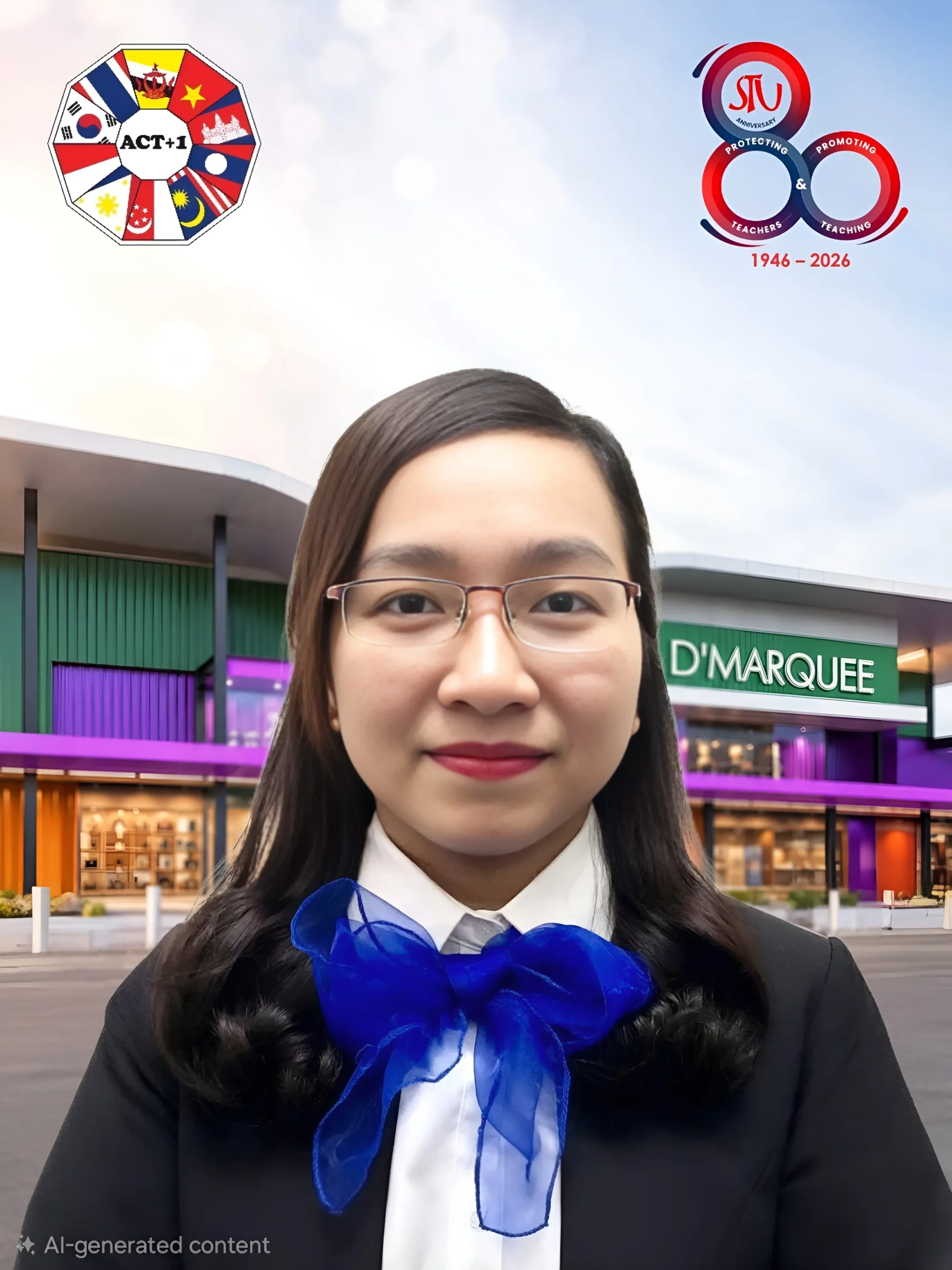
Ms. Pham Thi Hoang Anh, M.A., holds a Master's degree in English Language Teaching Methodology and currently serves as the Deputy General Director of Tan Van Education System in Vietnam. With more than ten years of experience in educational management and English language teaching, she has been actively involved in developing innovative learning programs that meet the needs of young learners and teachers. She has played a key role in designing and compiling the My Little Uri English curriculum for preschool children. Throughout the development process, she has been directly responsible for curriculum planning, classroom implementation, teacher guidance, and annual evaluation of students' learning outcomes. Based on classroom observations and assessment data, she continuously reviews and improves the curriculum to ensure that it remains practical, engaging, and suitable for children's language development. In recent years, Ms. Hoang Anh has also focused on integrating artificial intelligence into English language teaching. She has participated in developing AI-supported learning activities and pronunciation practice solutions that help teachers personalize instruction while encouraging active student participation. She believes that technology should support, rather than replace, the role of teachers in creating meaningful learning experiences. Her professional interests include curriculum development, teacher training, educational leadership, AI-assisted language learning, and early childhood English education.
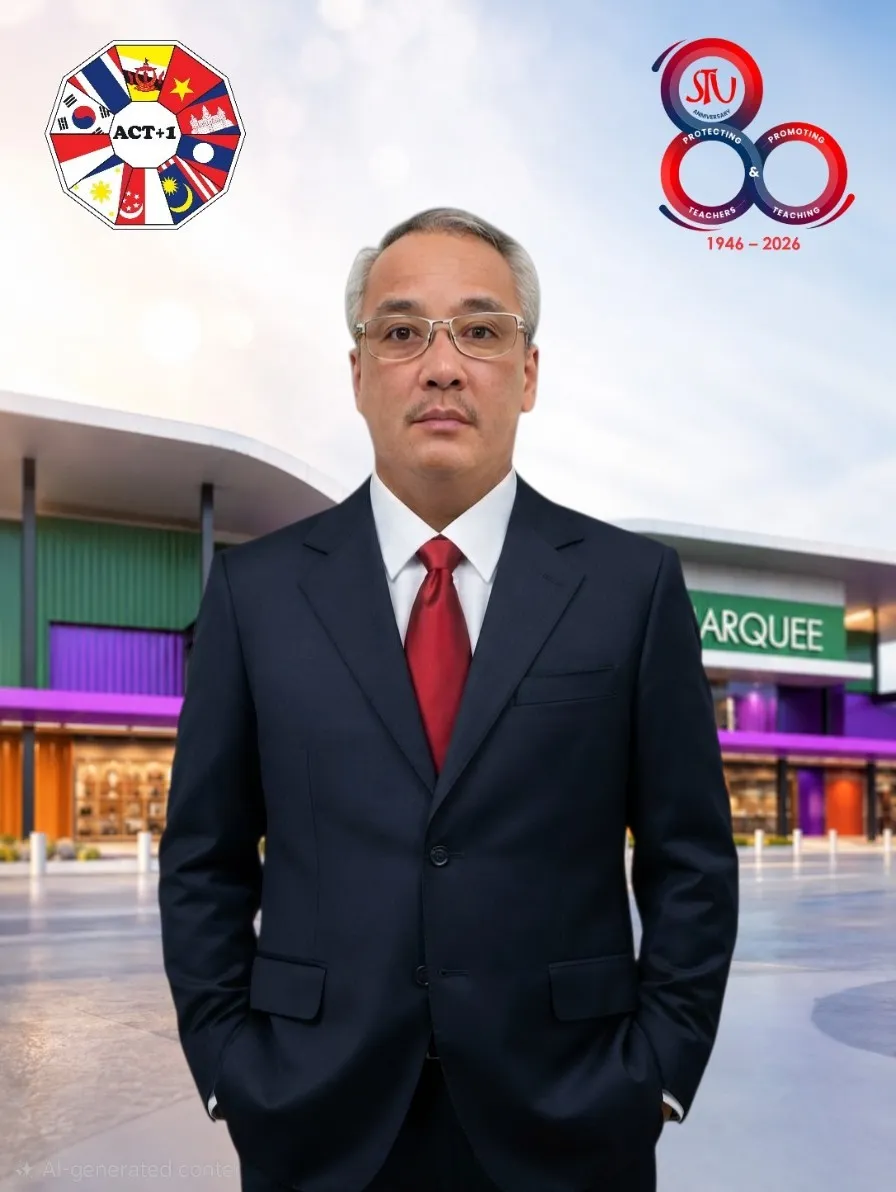
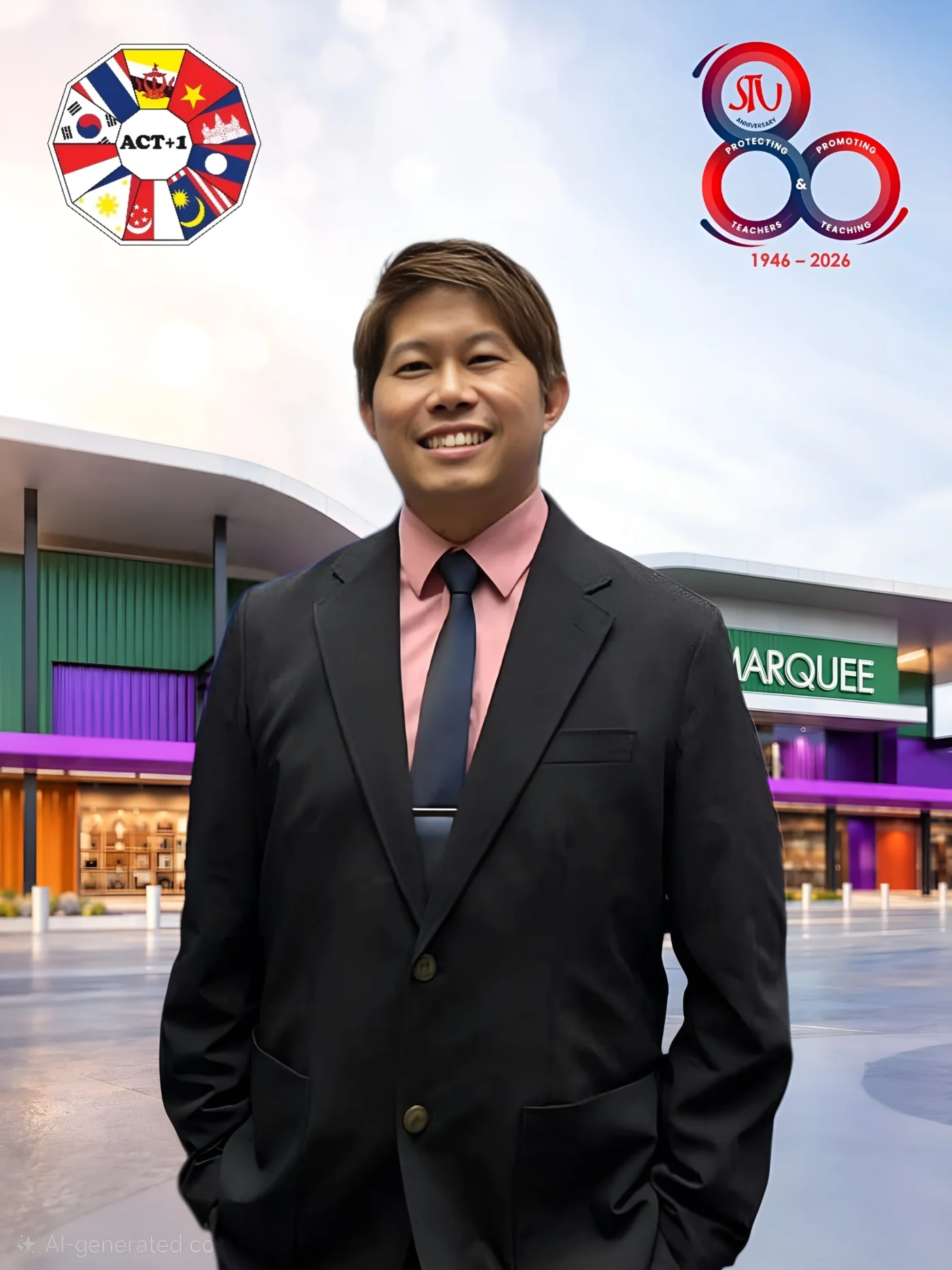
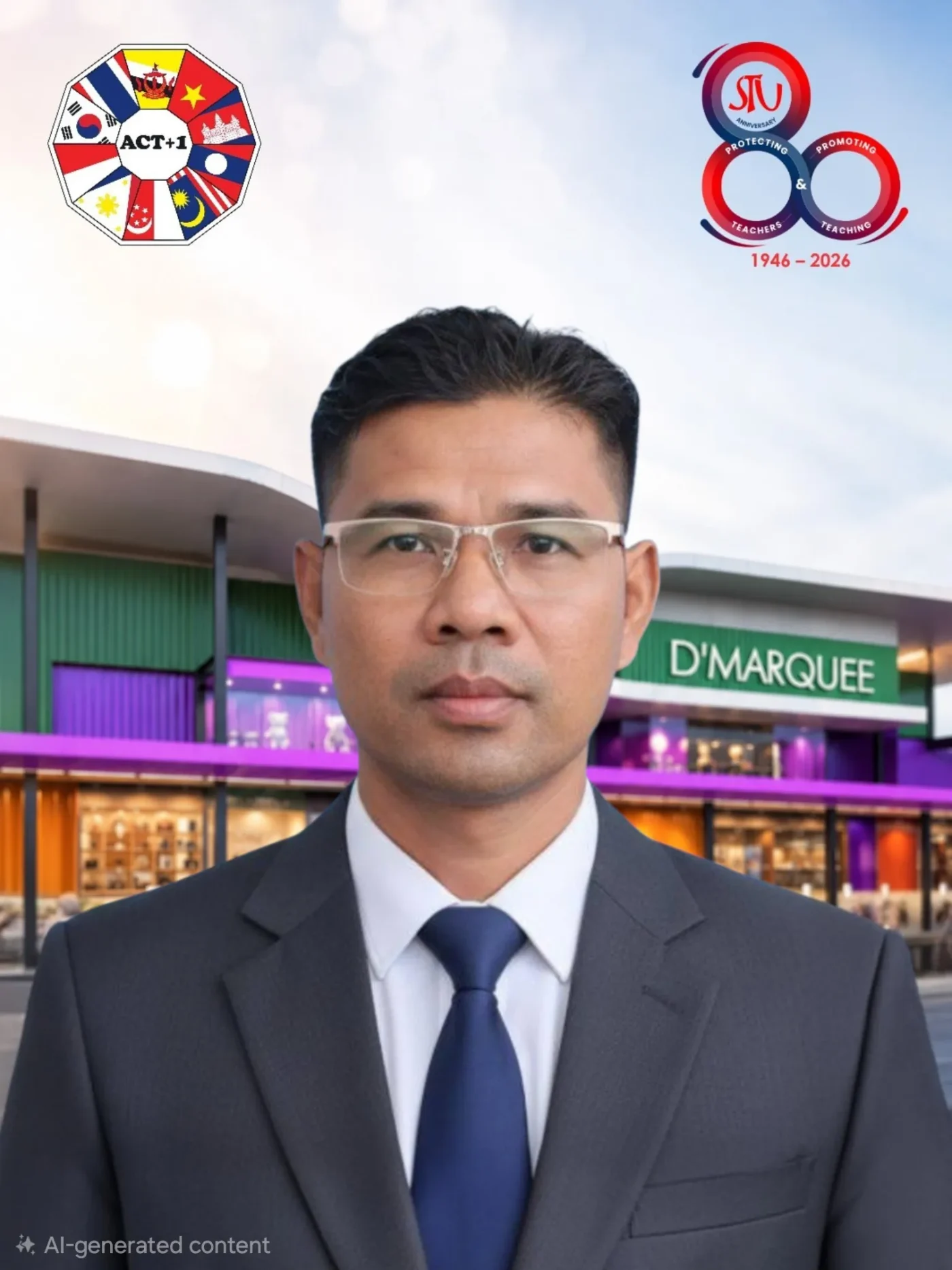
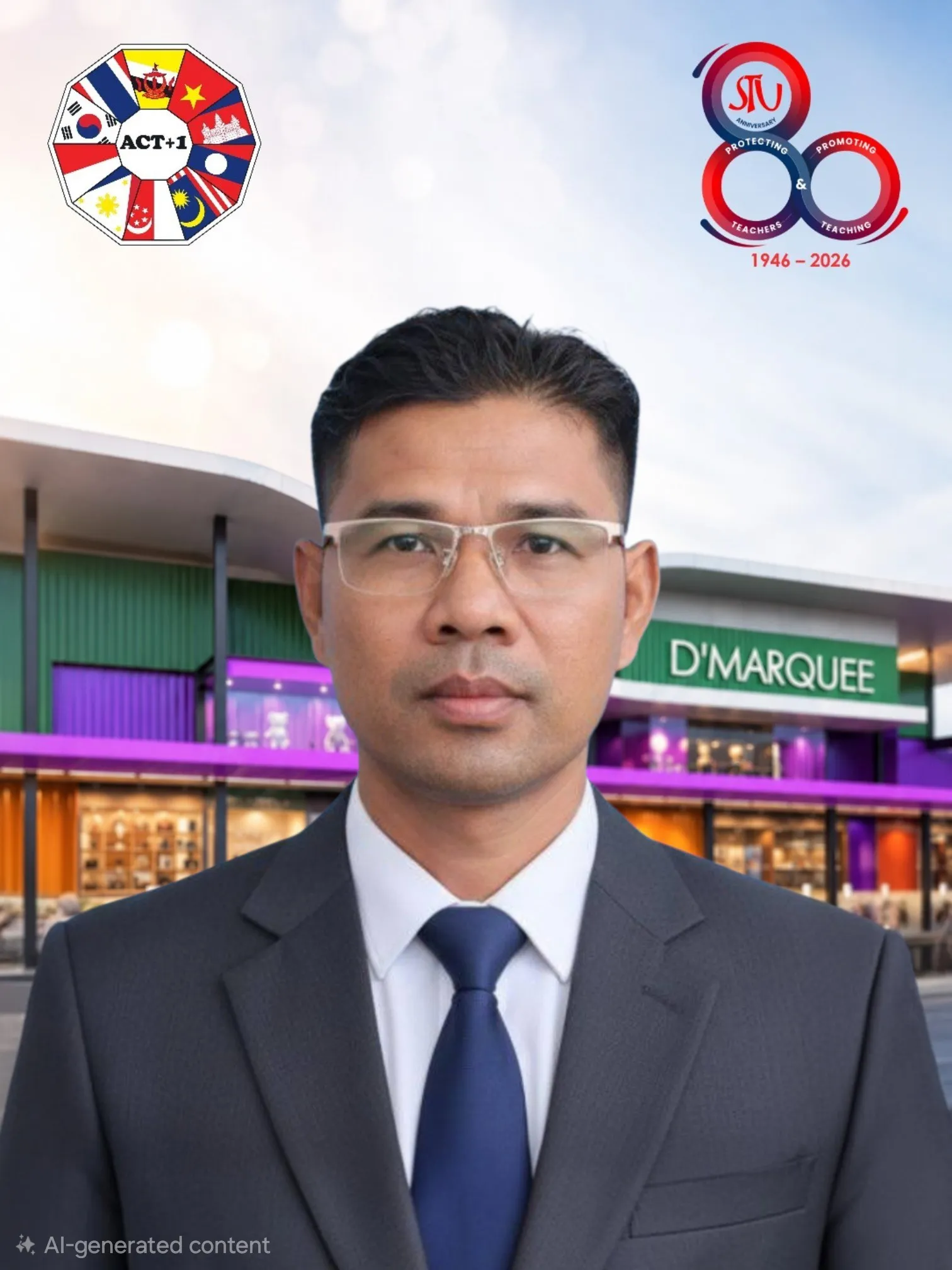
President, NEAD Cambodia
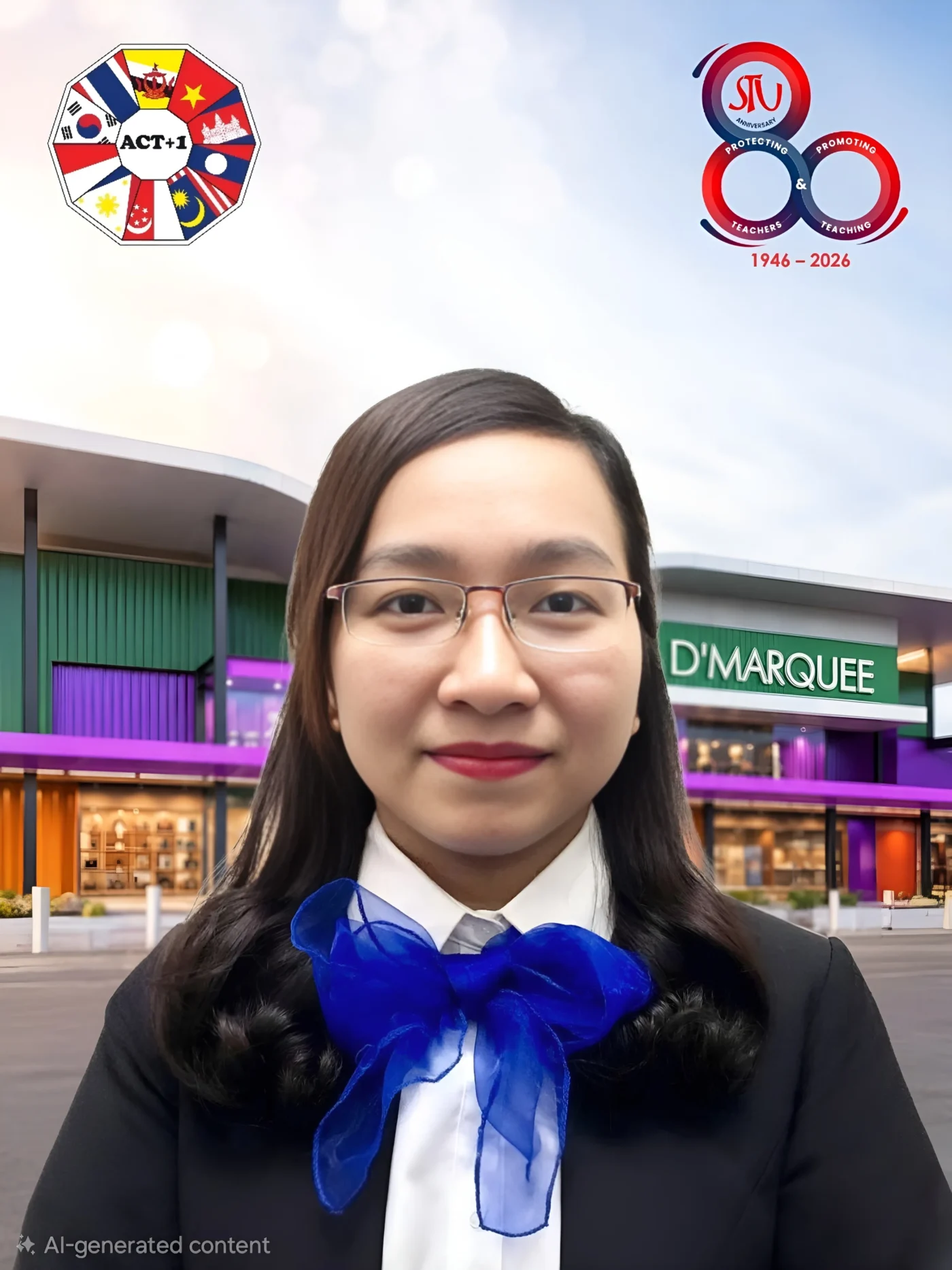
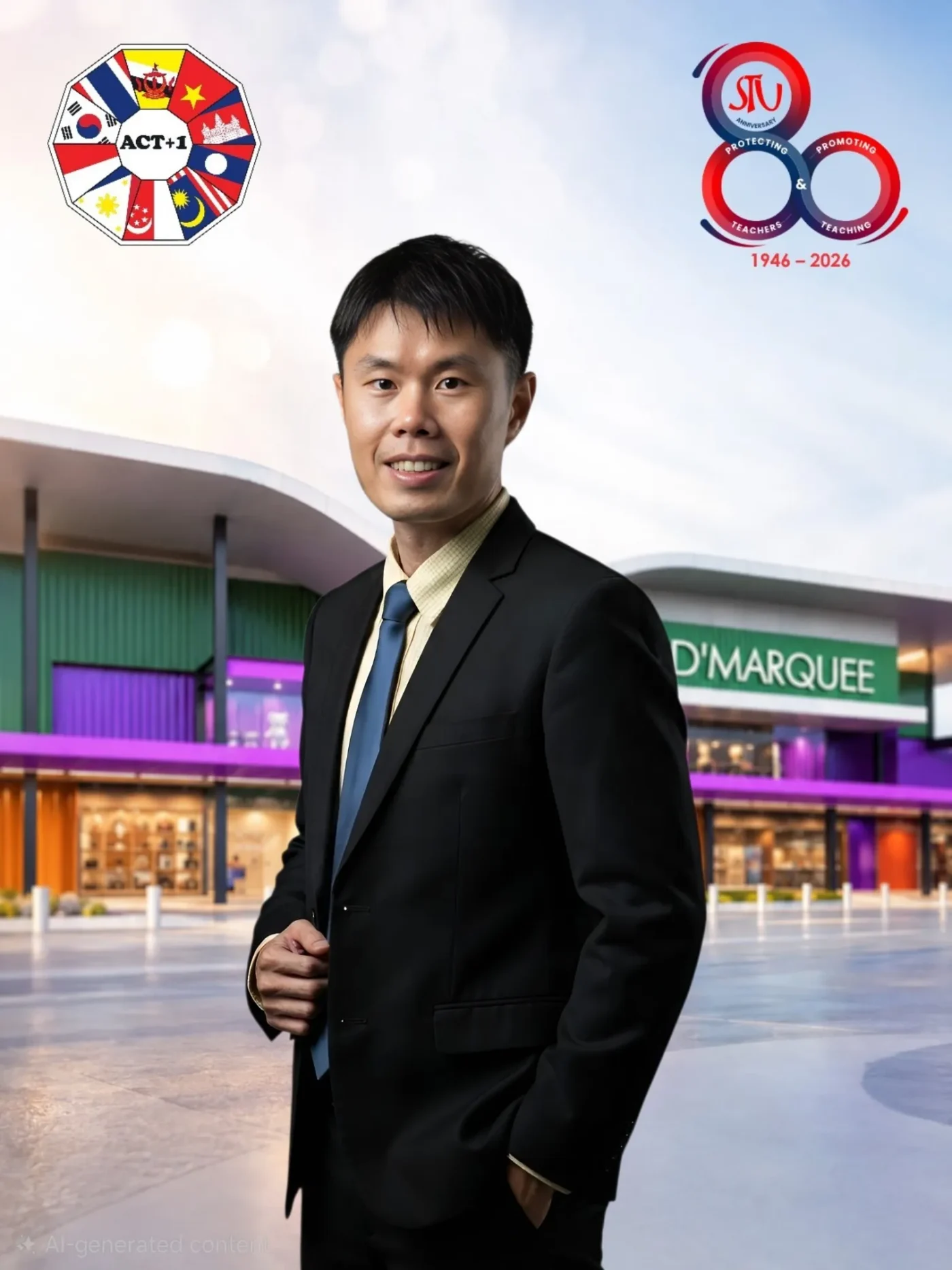

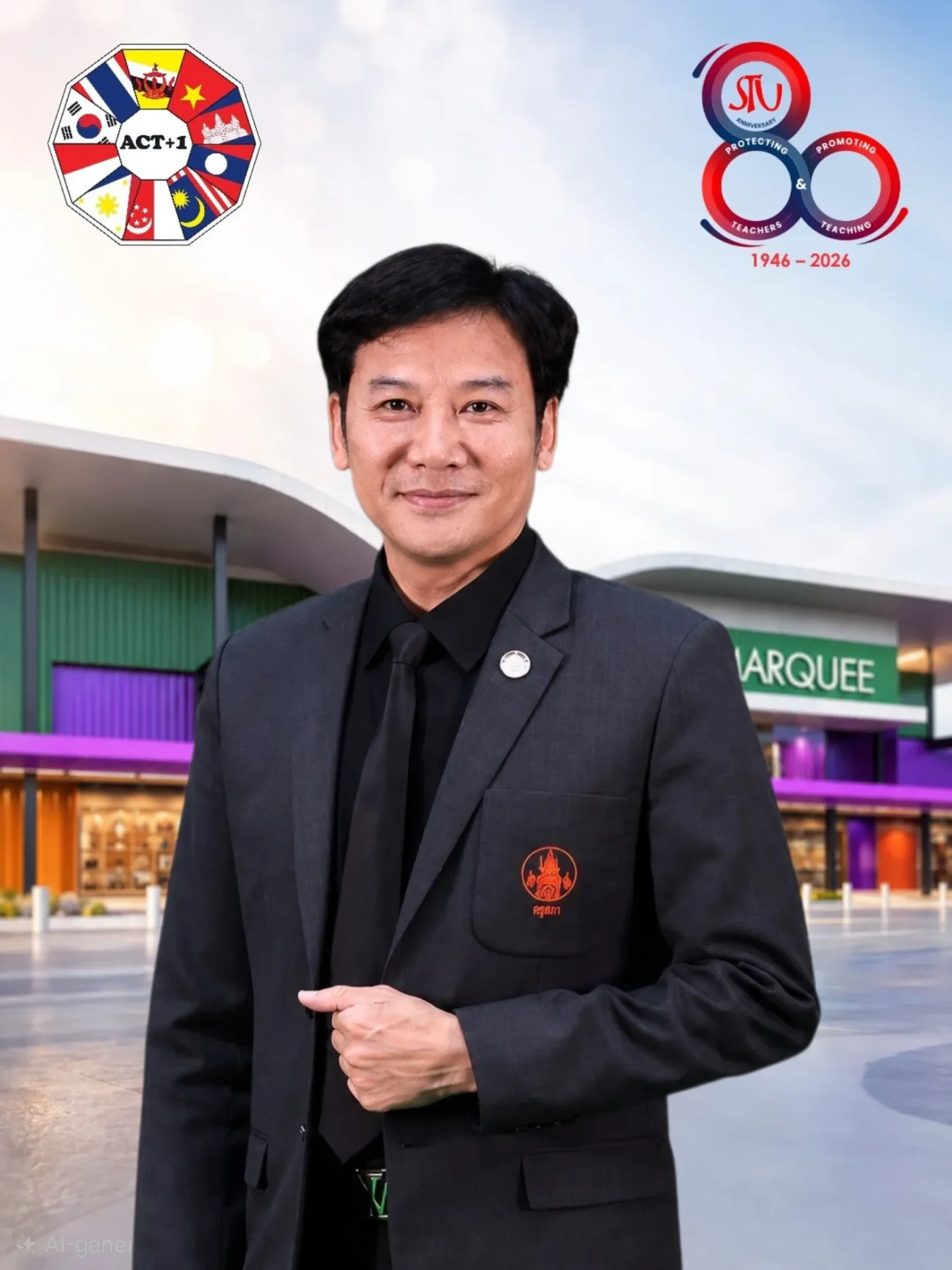
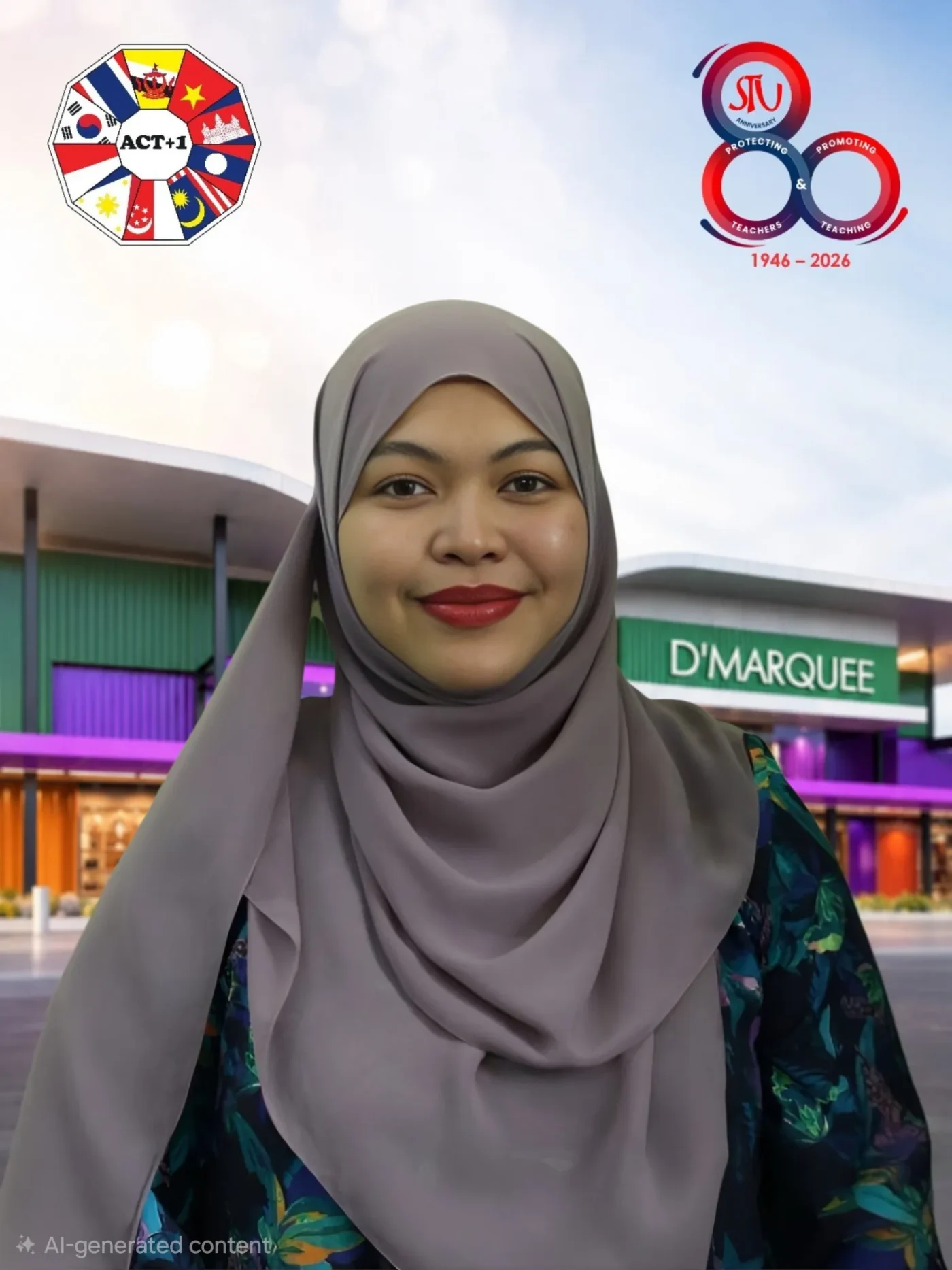
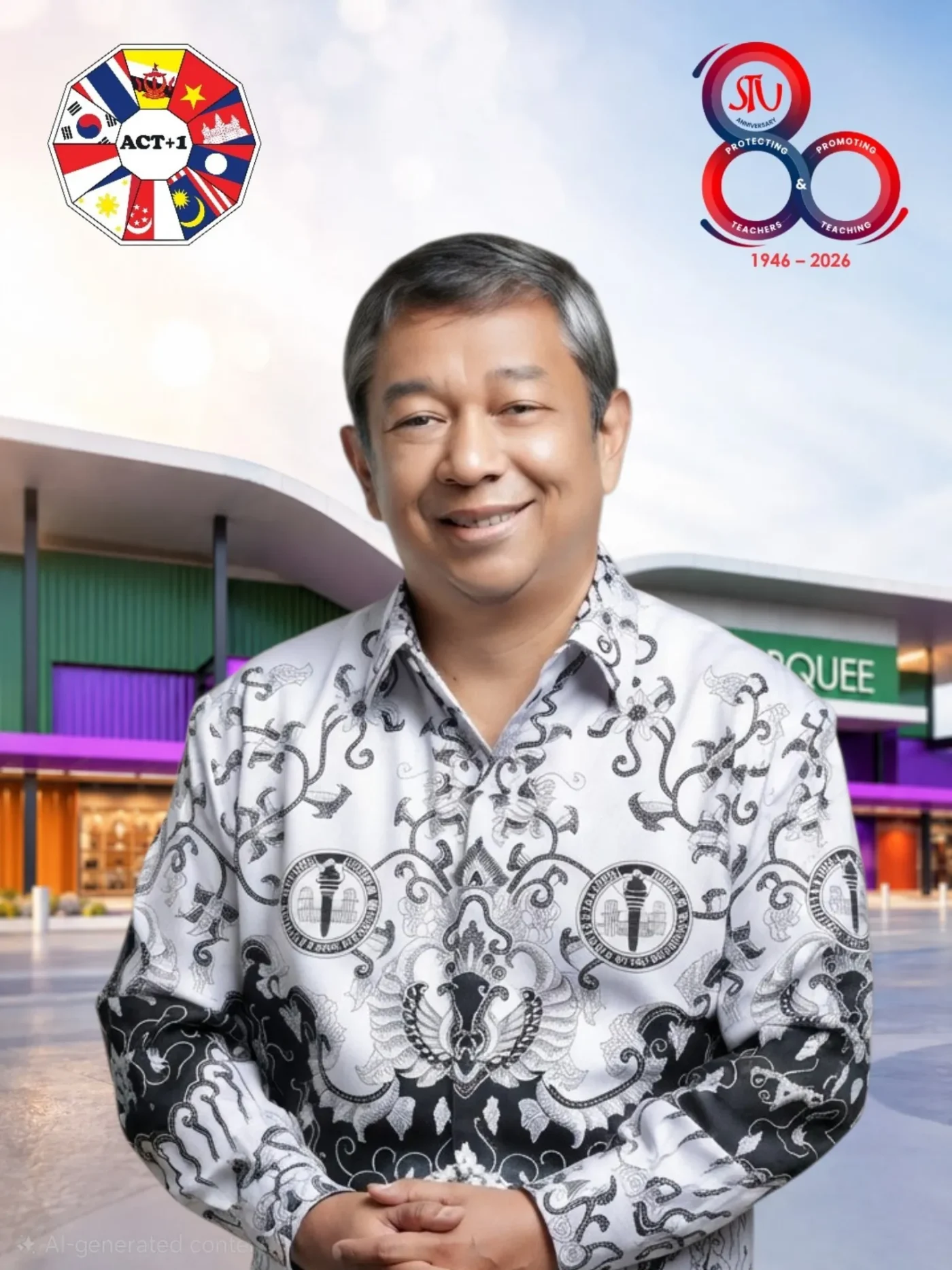

President, NEUV

Deputy Secretary-General, Khuruspha
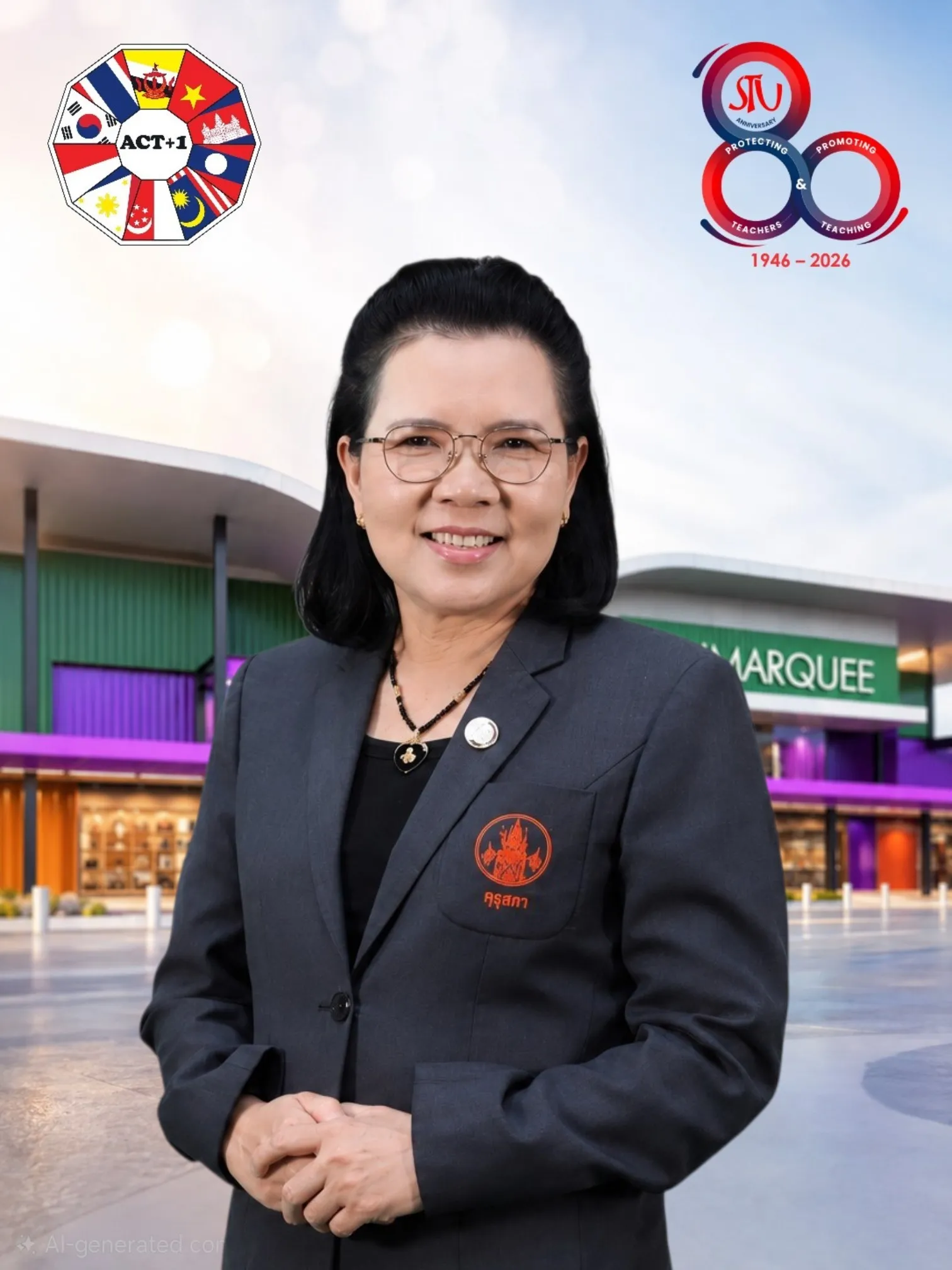
Secretary-General, Khurusapha

General Secretary, STU

President, STU
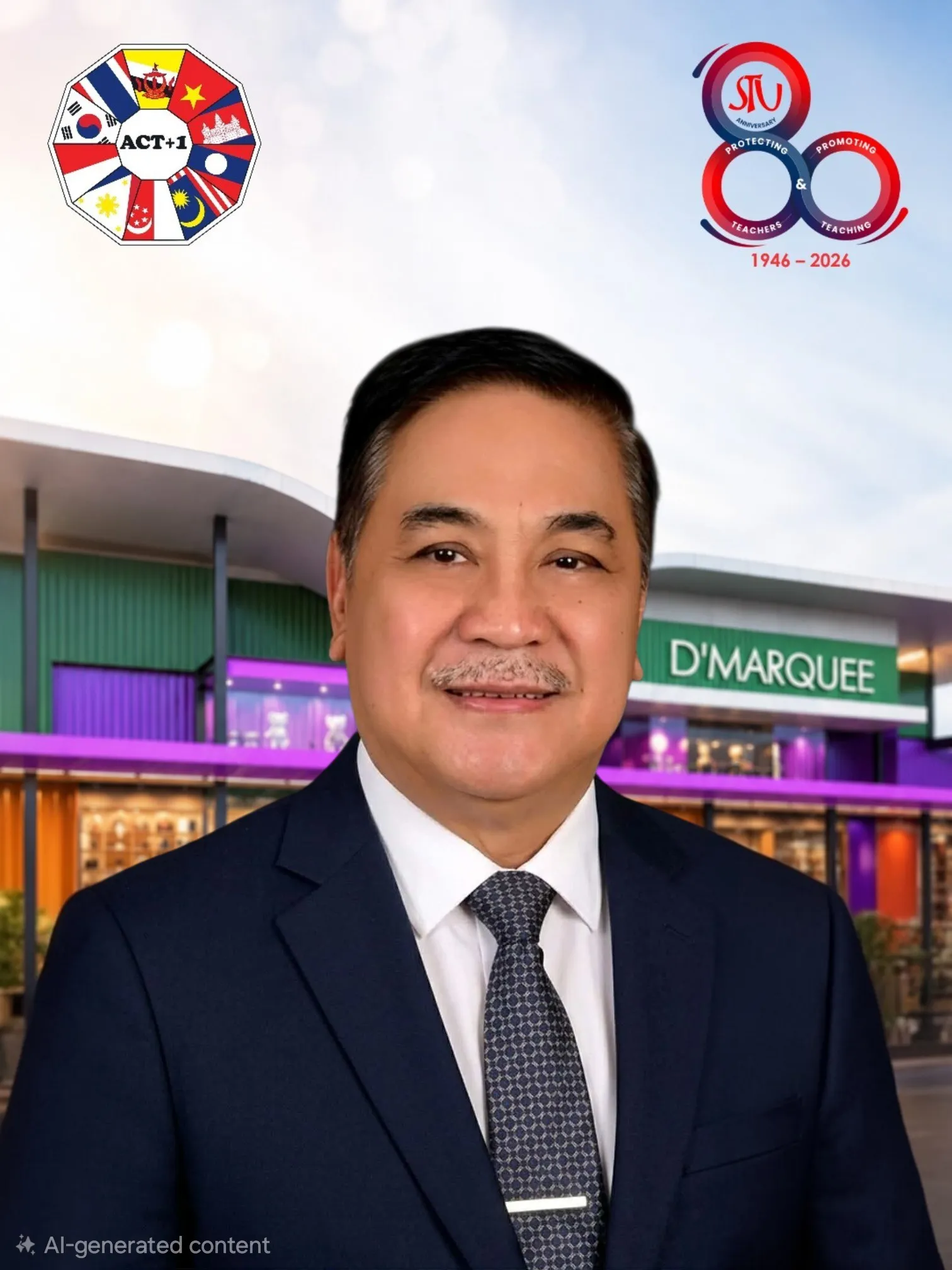
Vice President, PPSTA
President, PPSTA
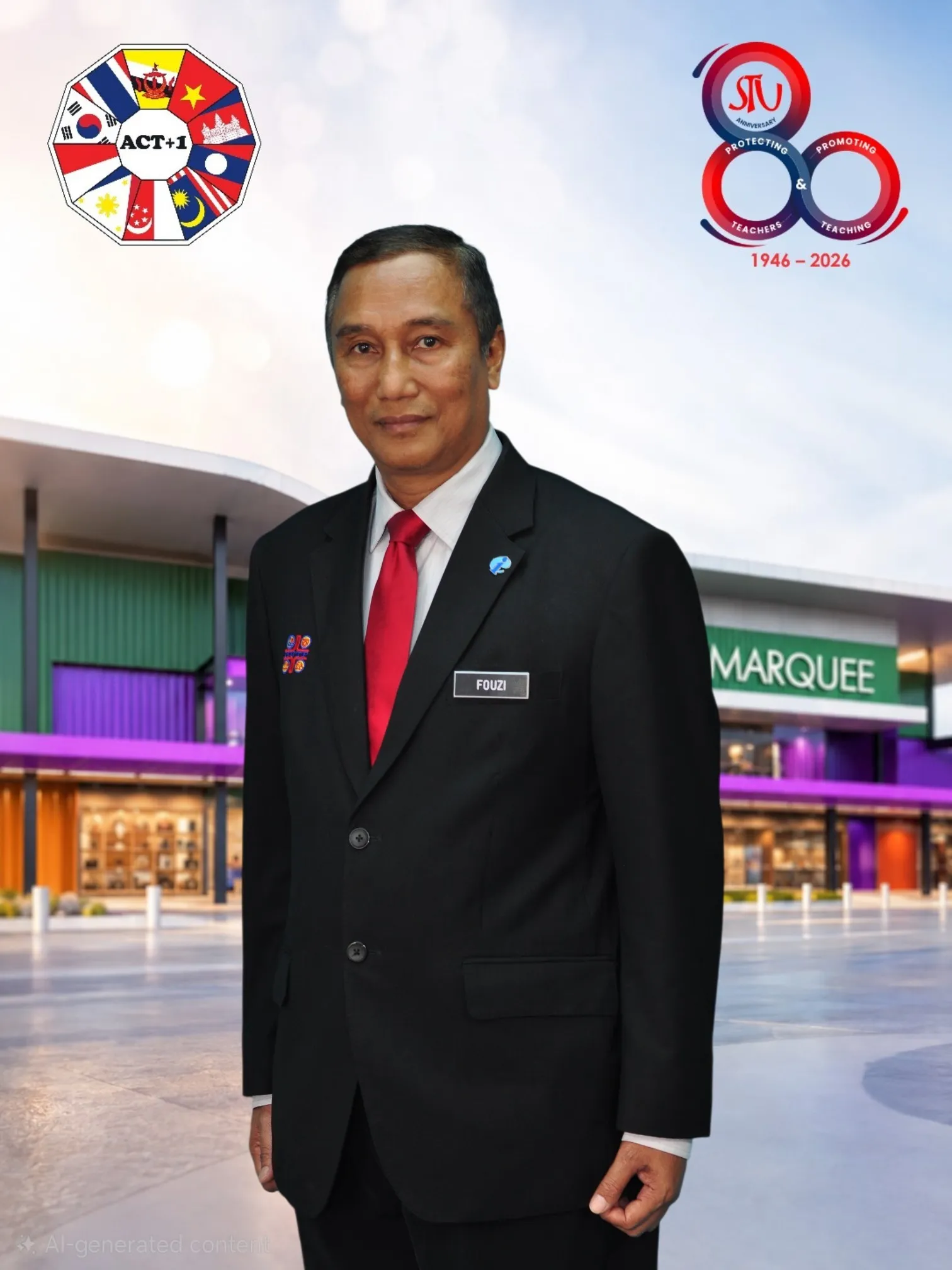
Secretary-General, NUTP
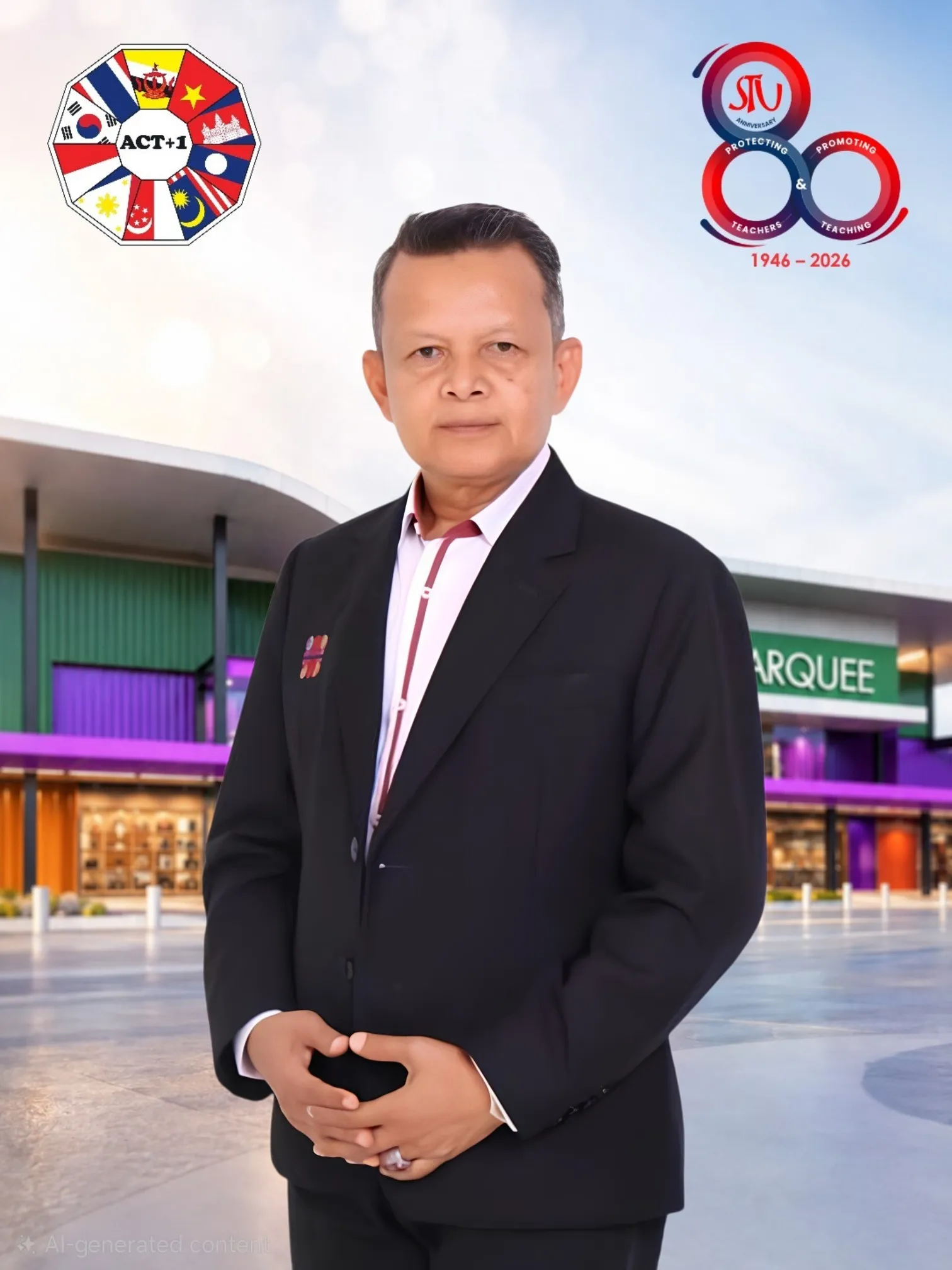
President, NUTP

President, KFTA
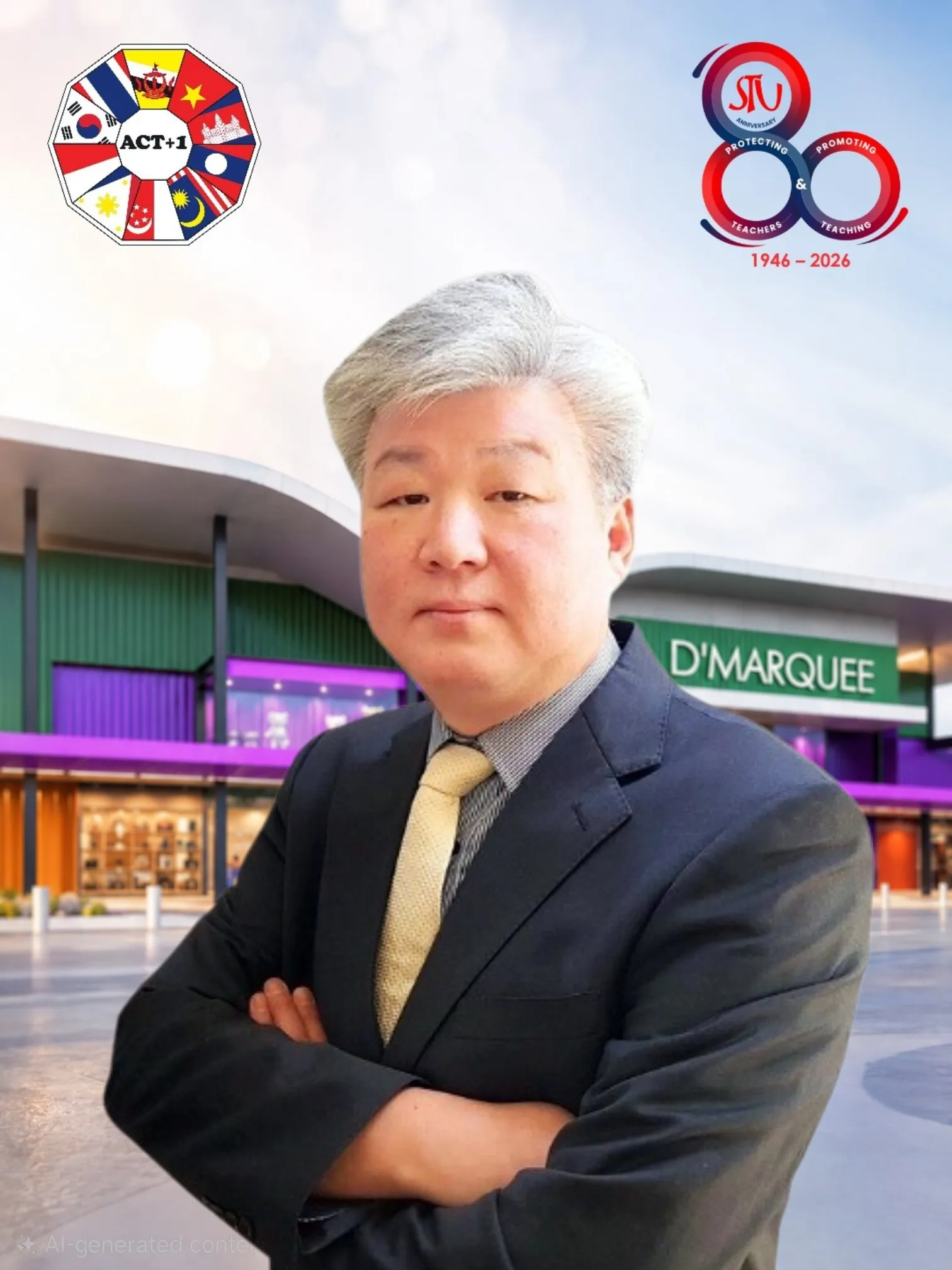
Vice President, KFTA
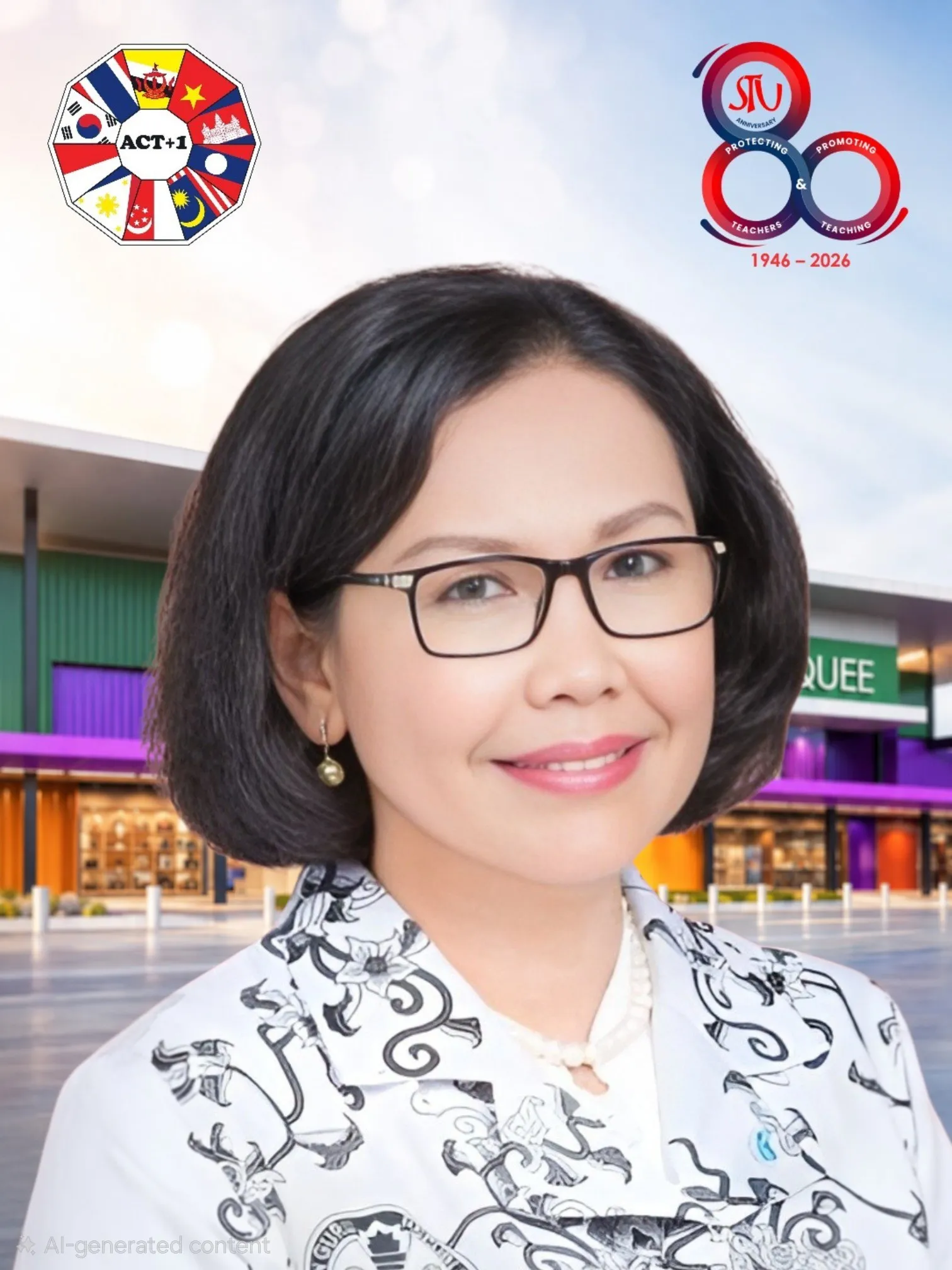
President, PGRI

Deputy President, BMTA
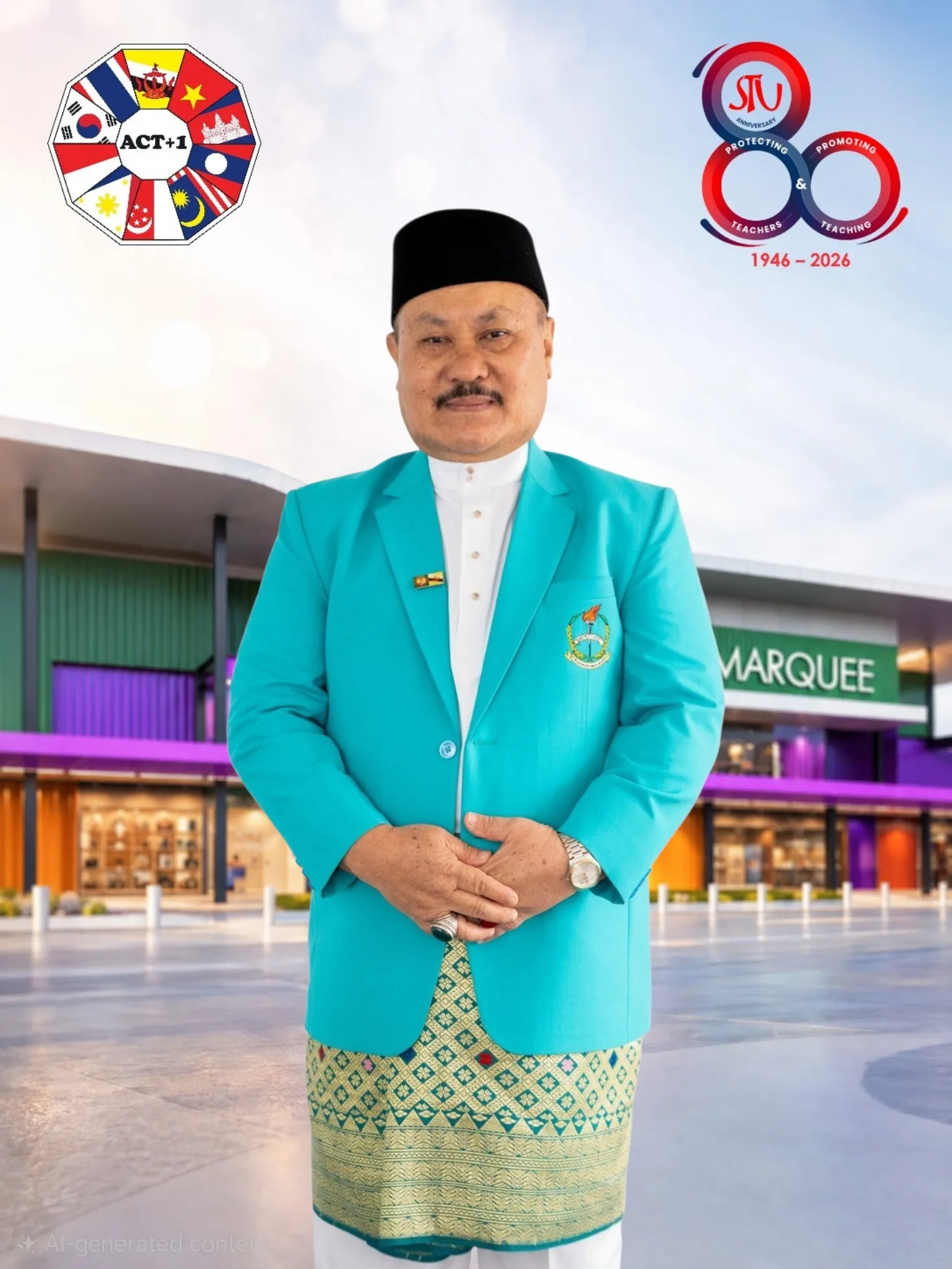
President, BMTA
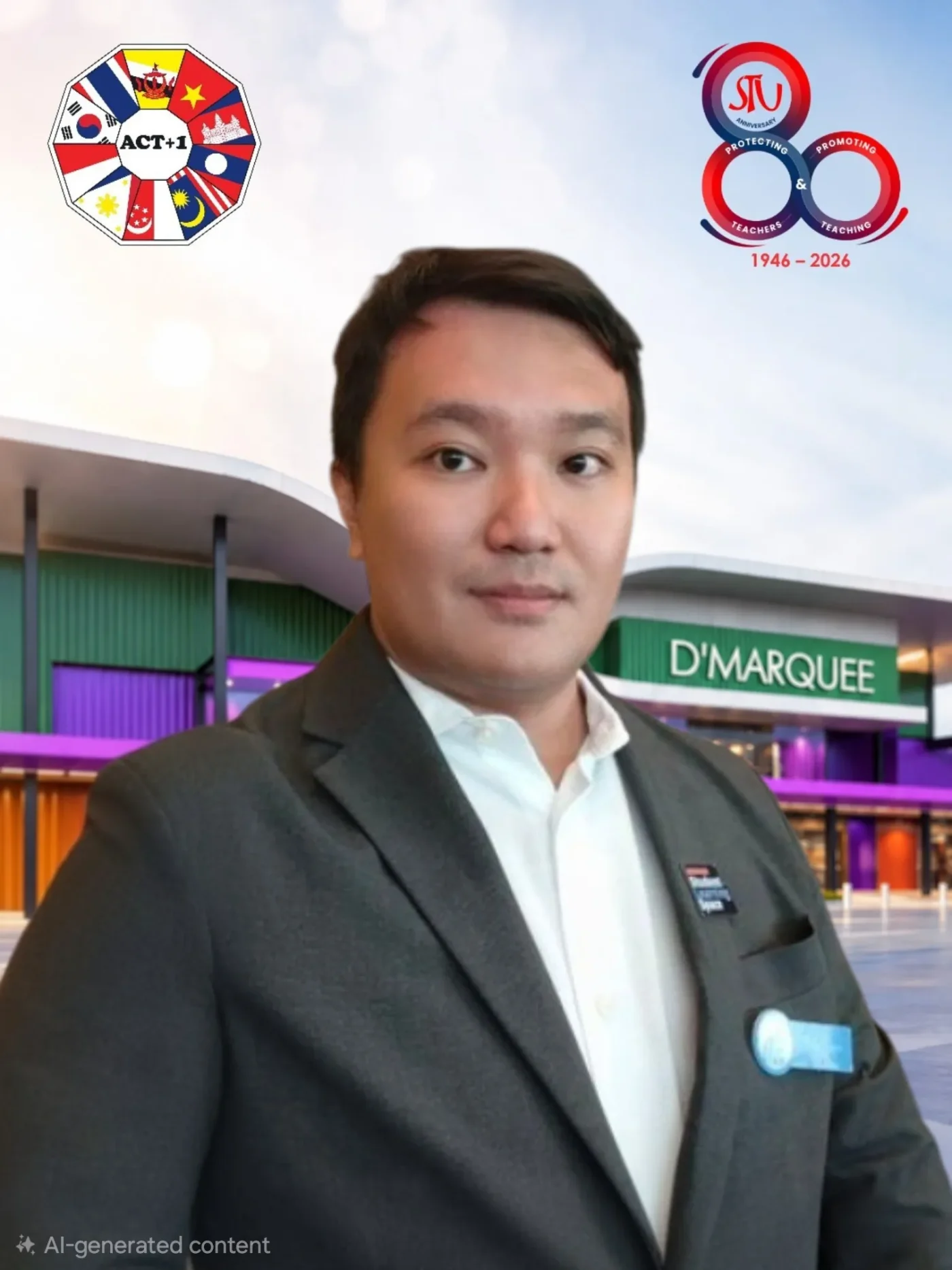
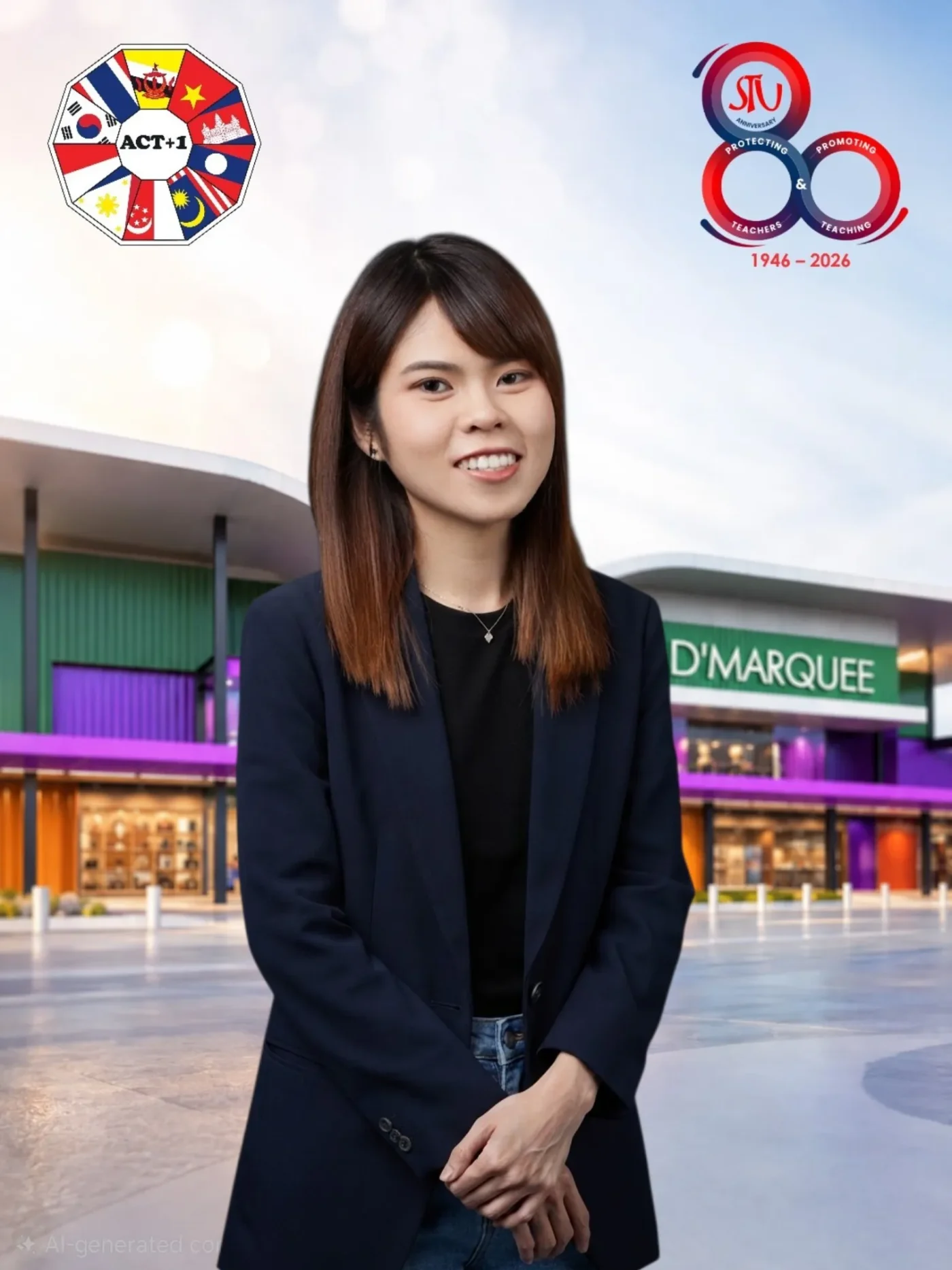
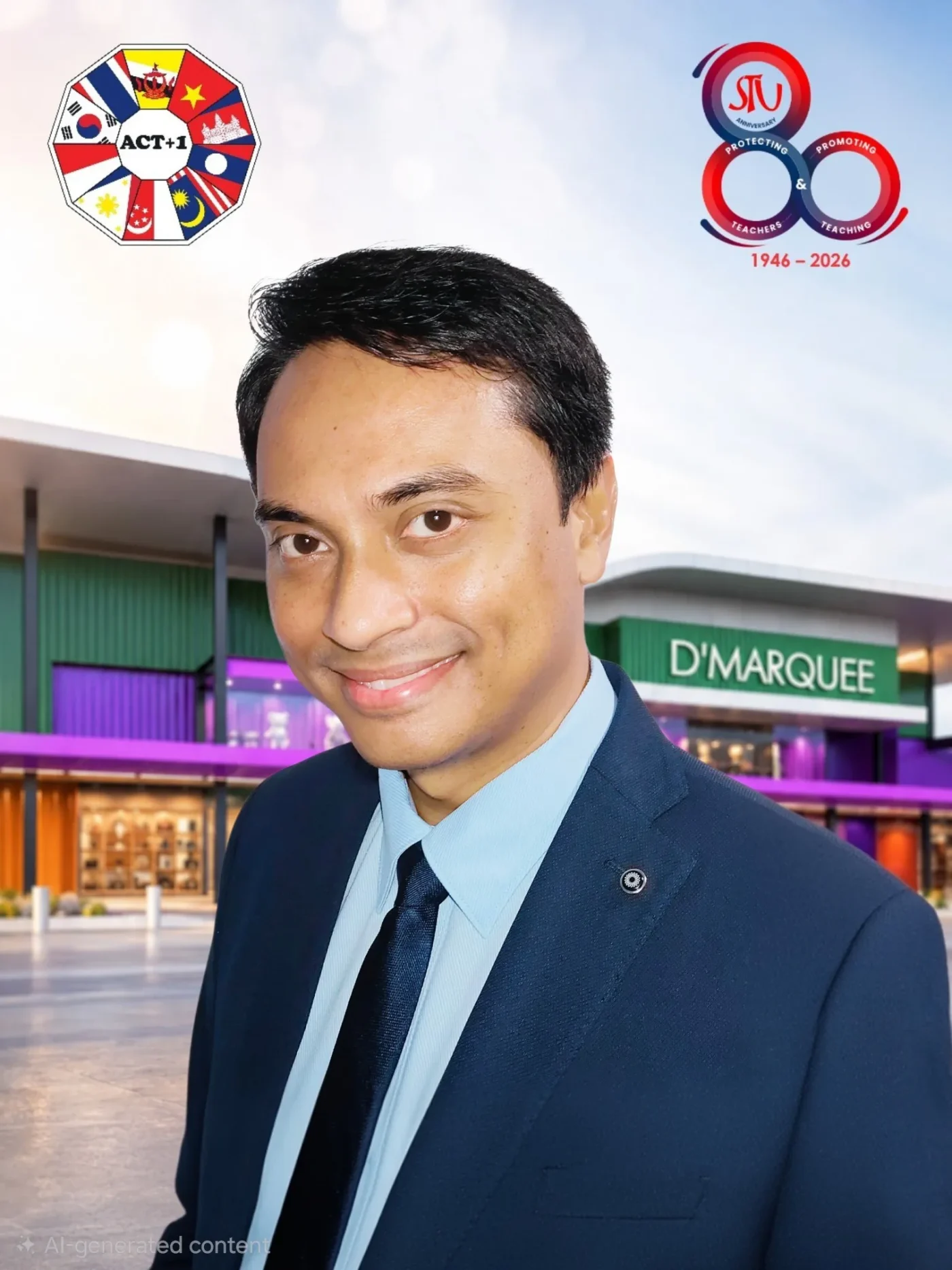
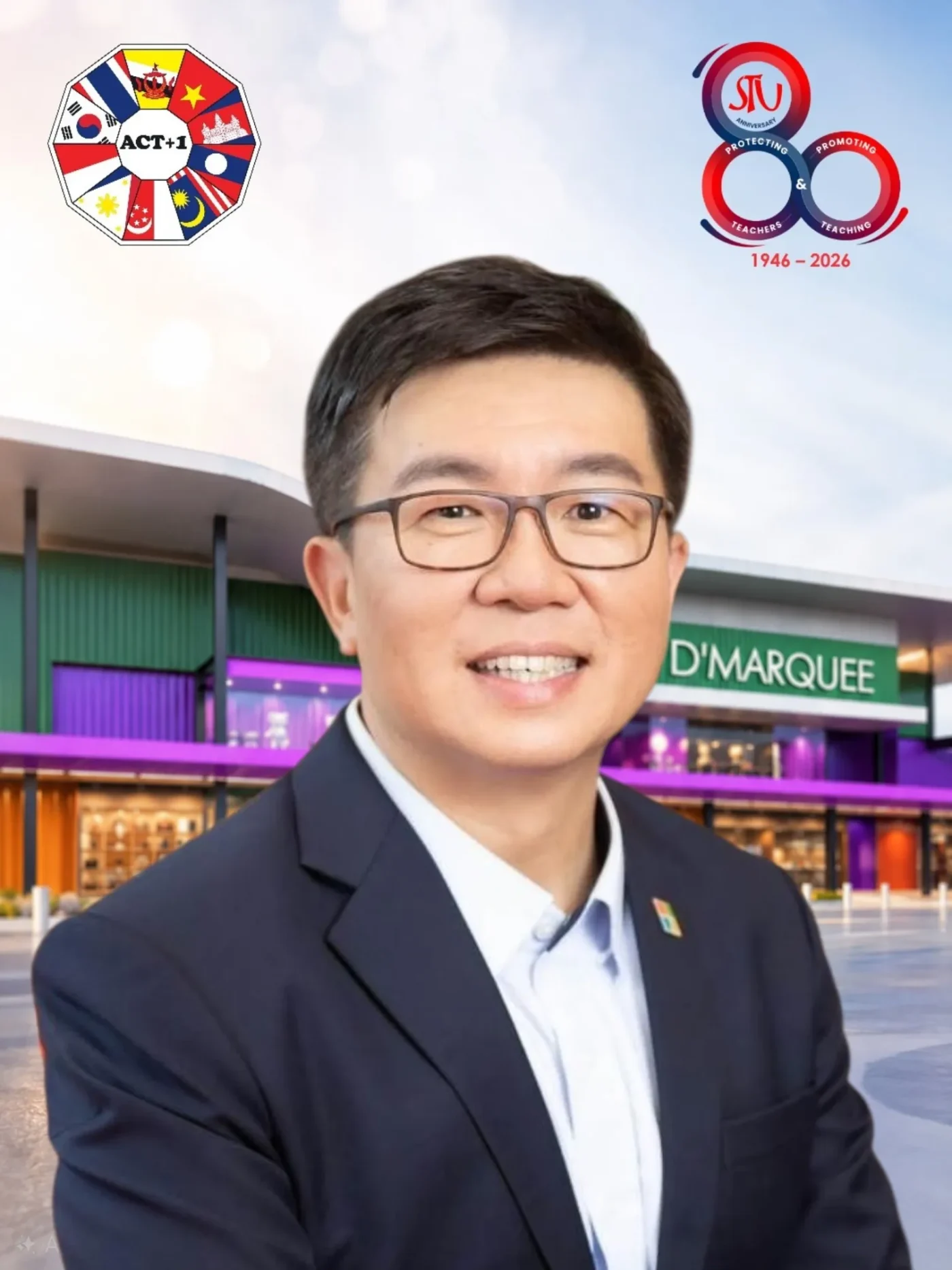
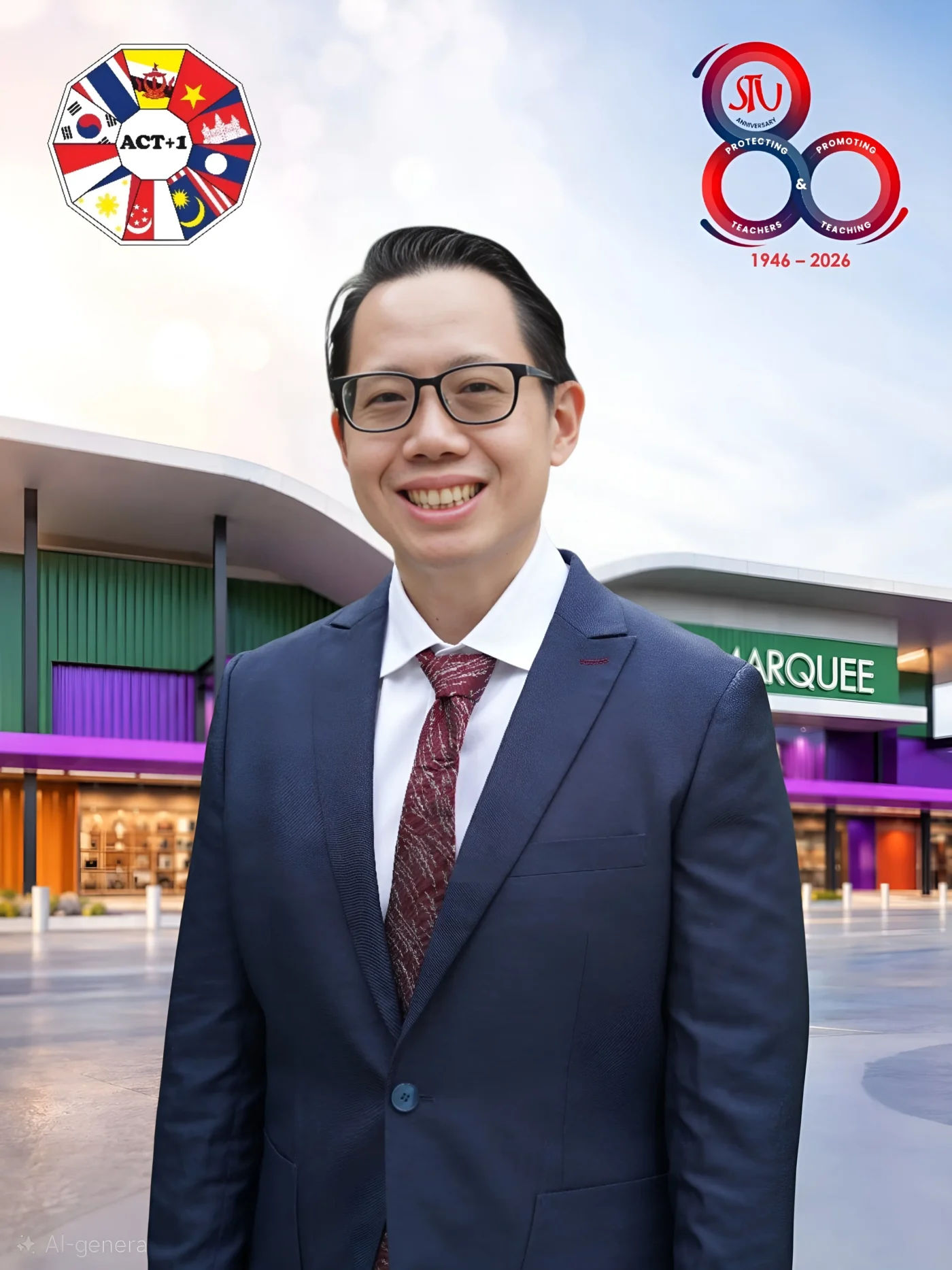
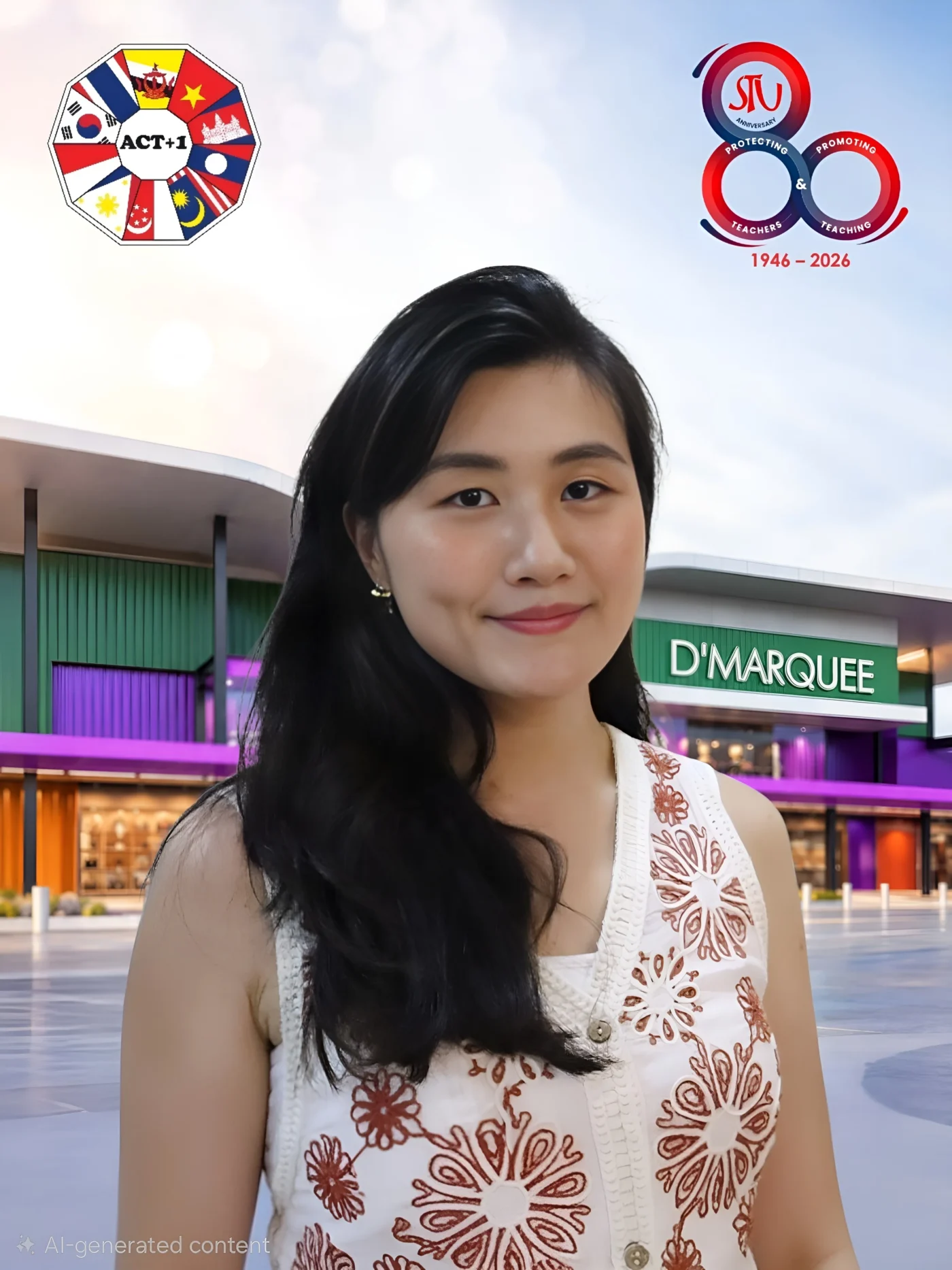
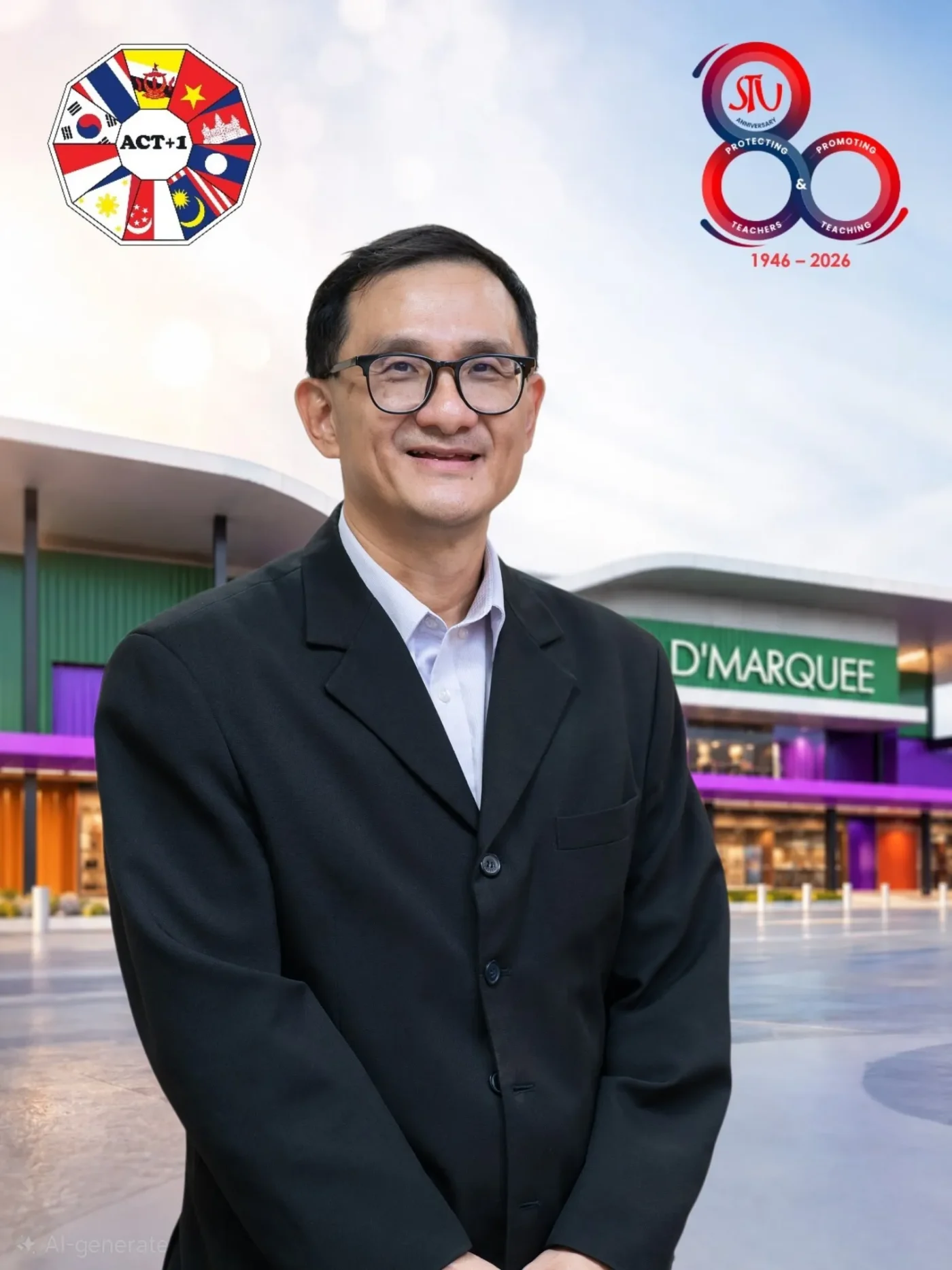
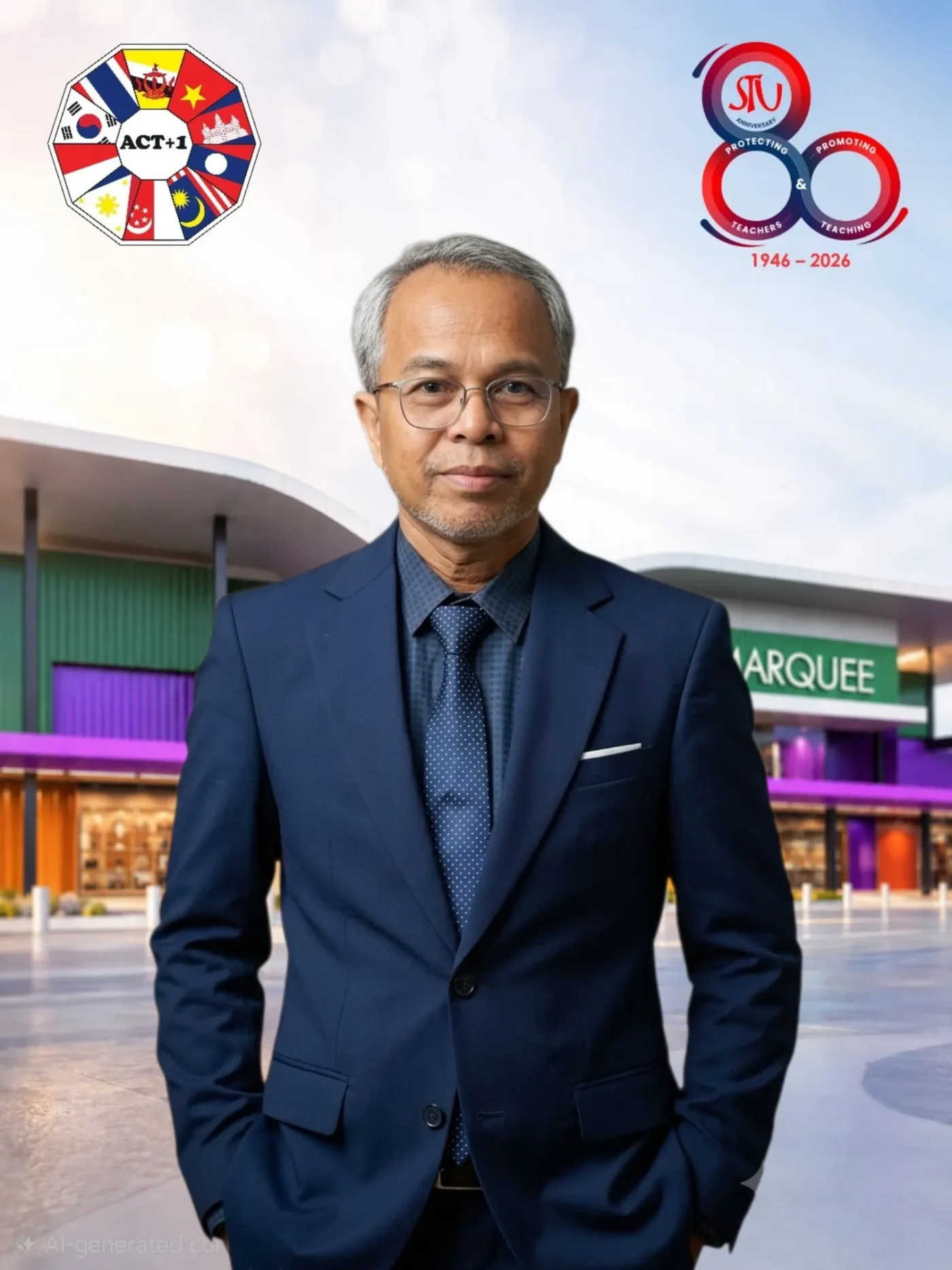
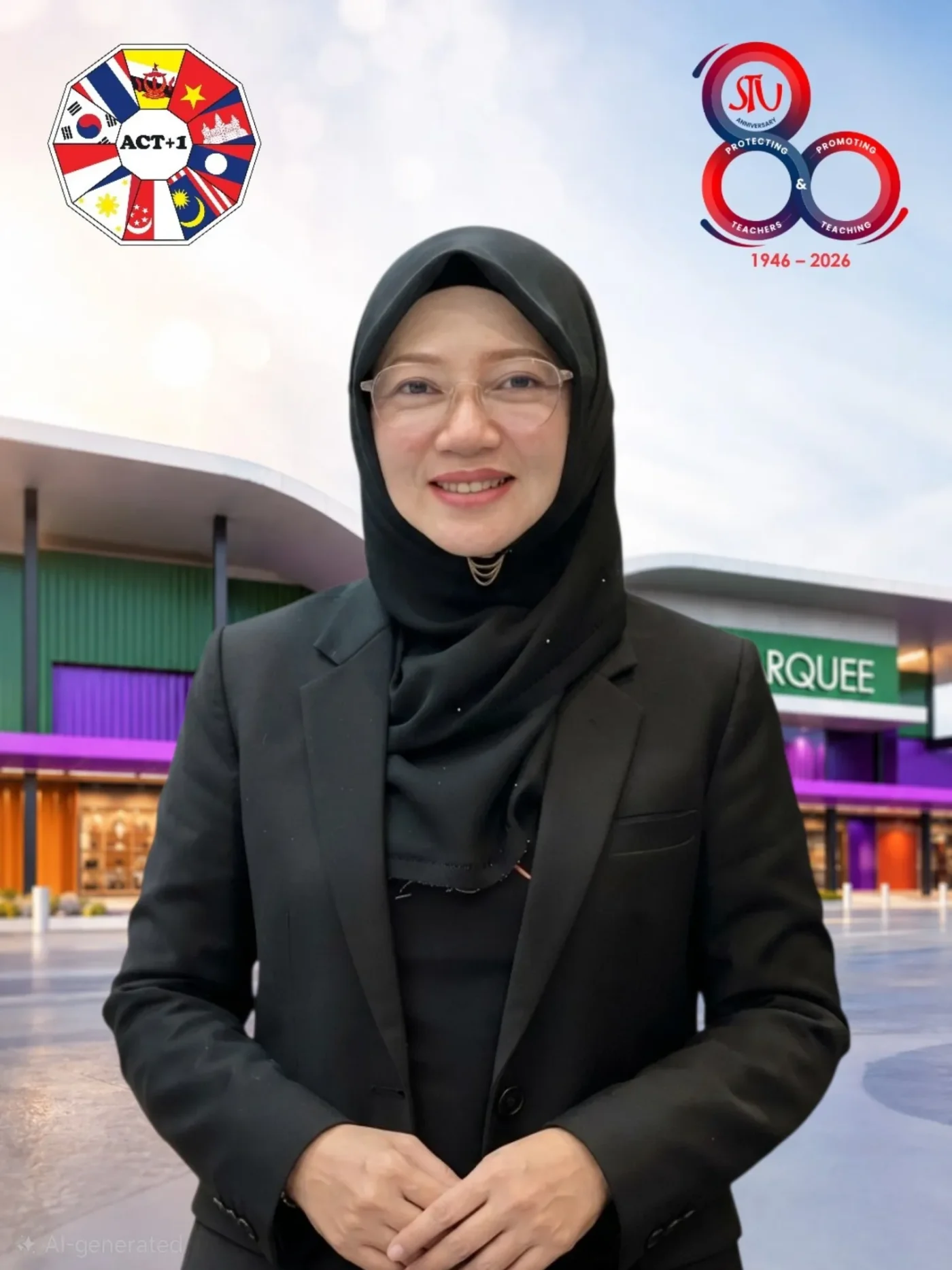
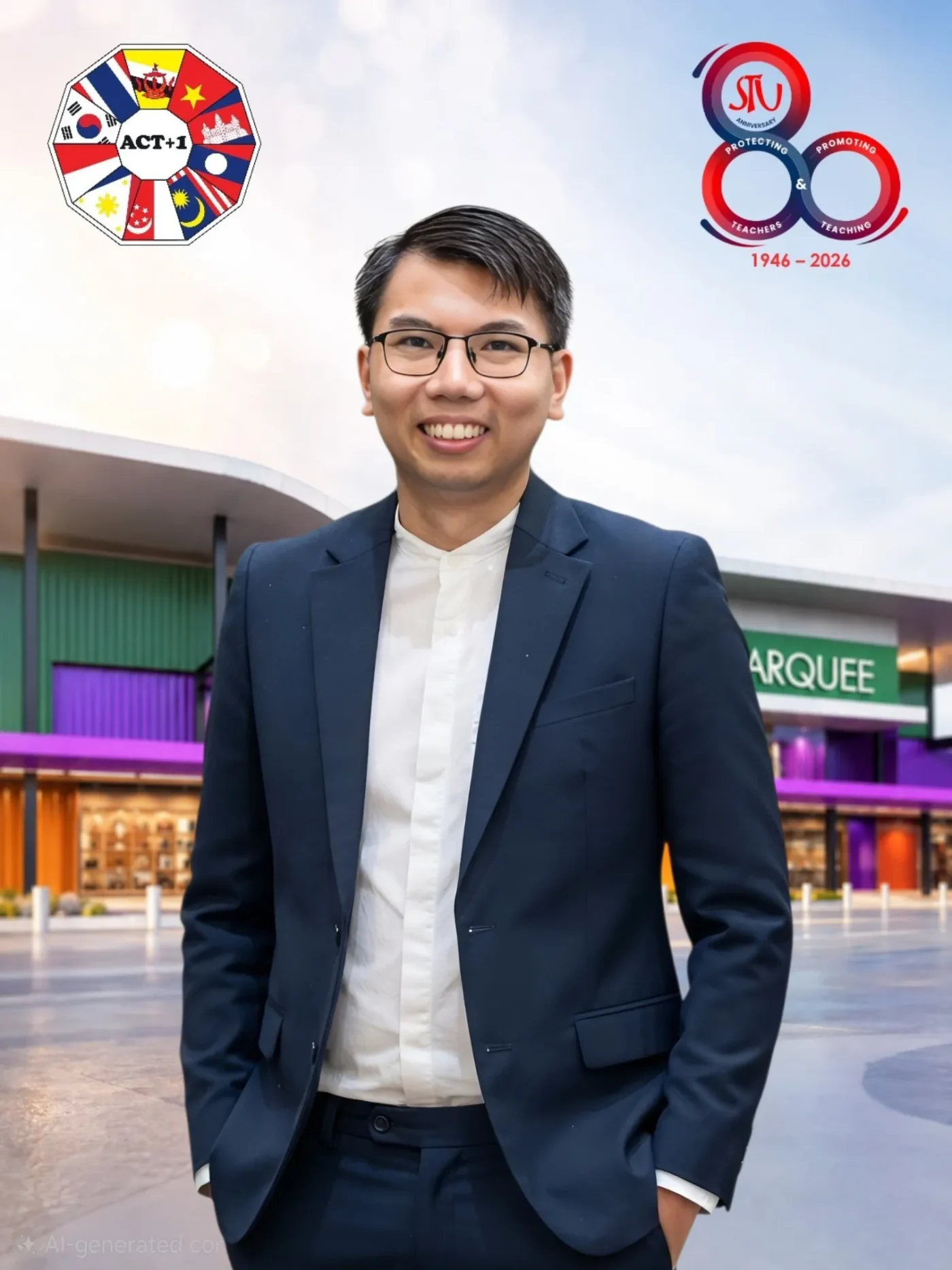
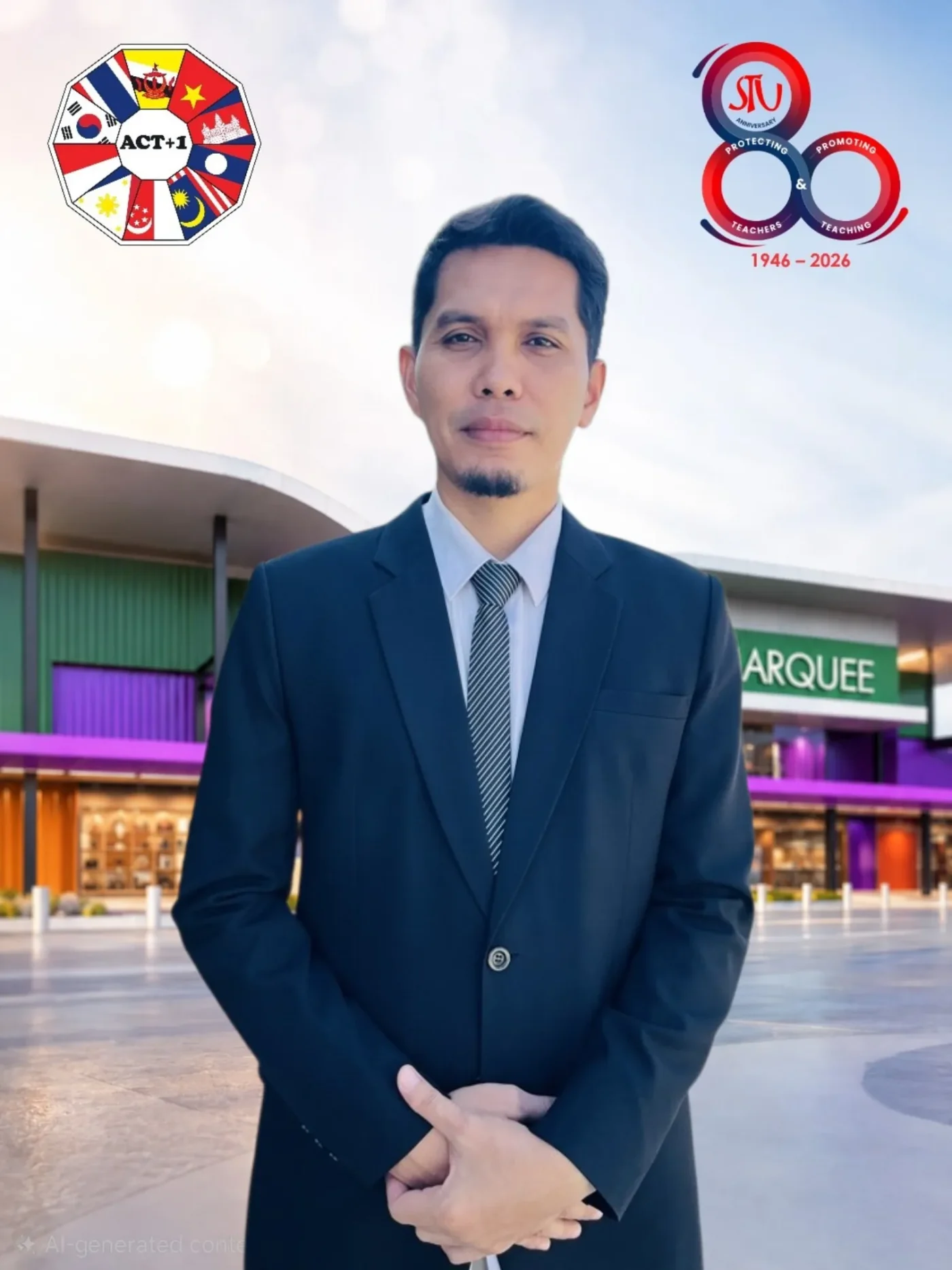



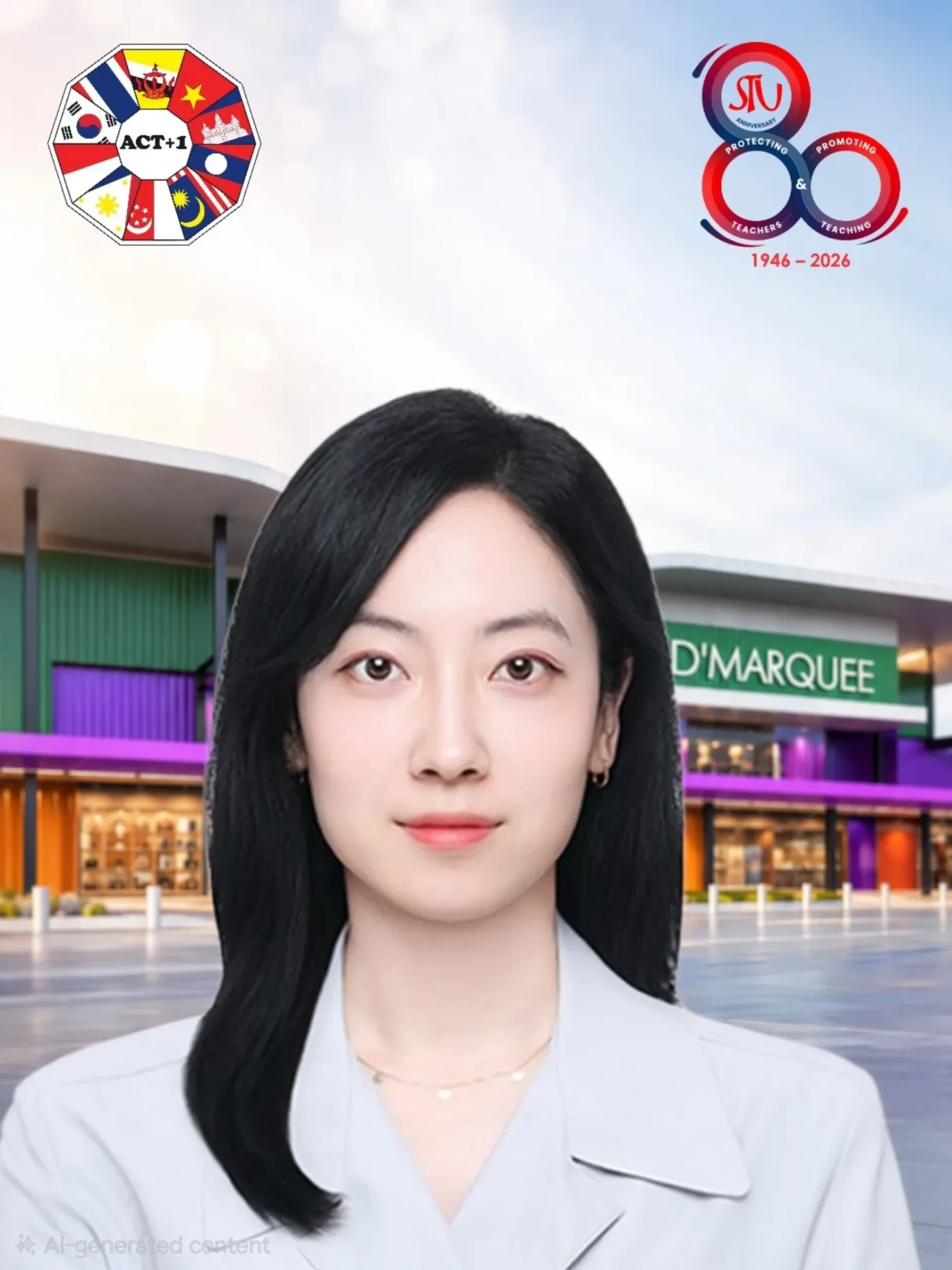






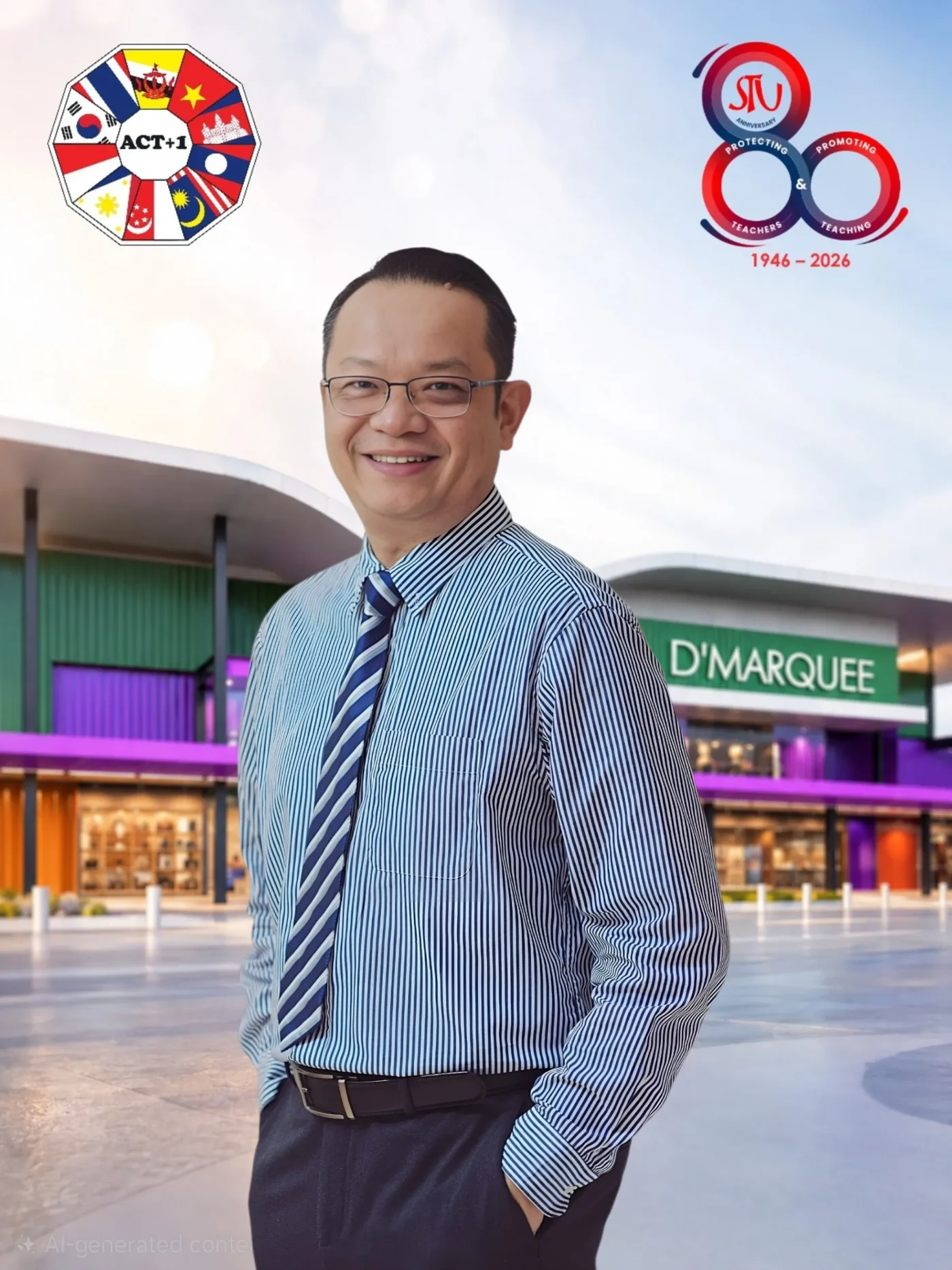

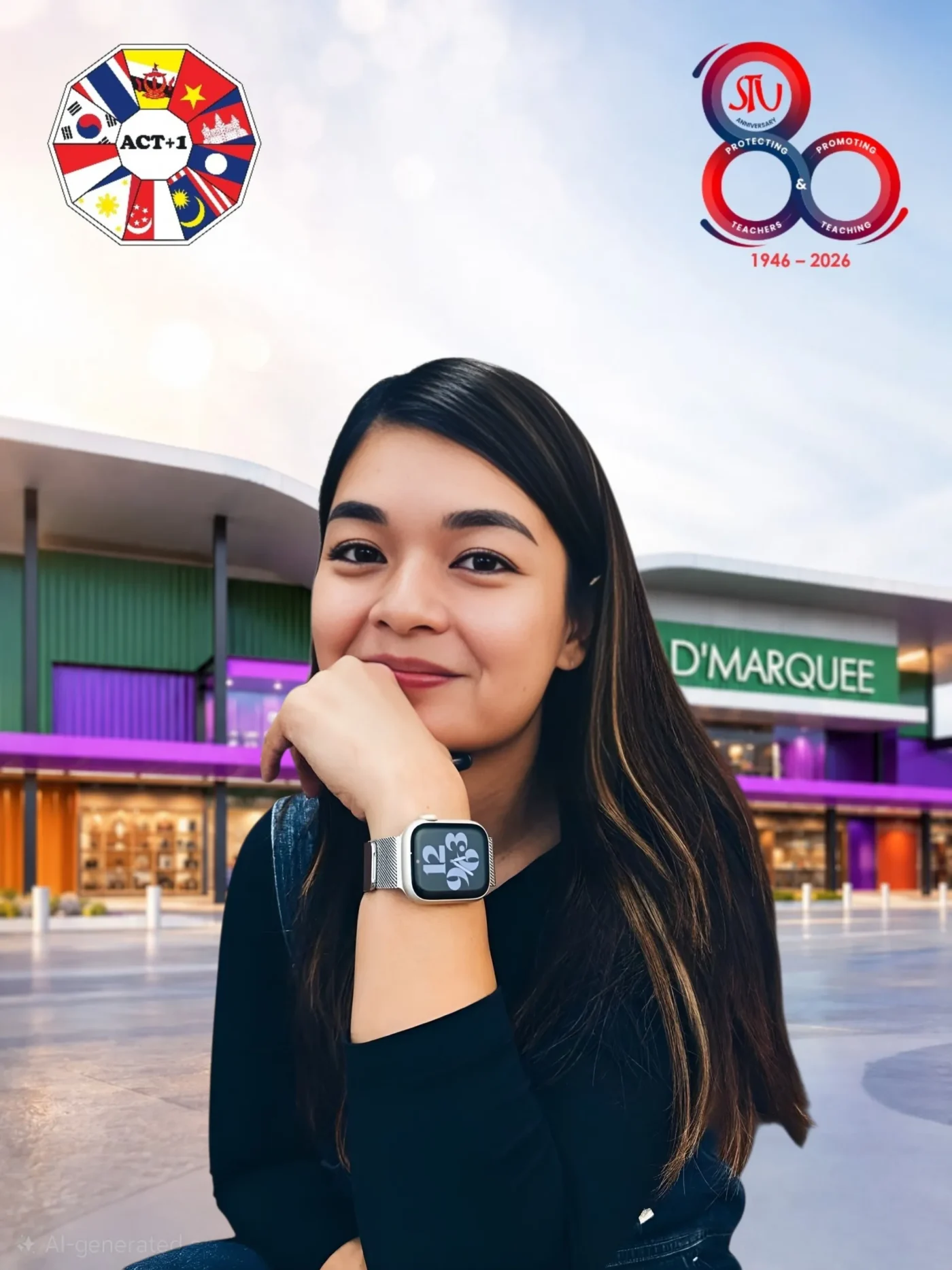
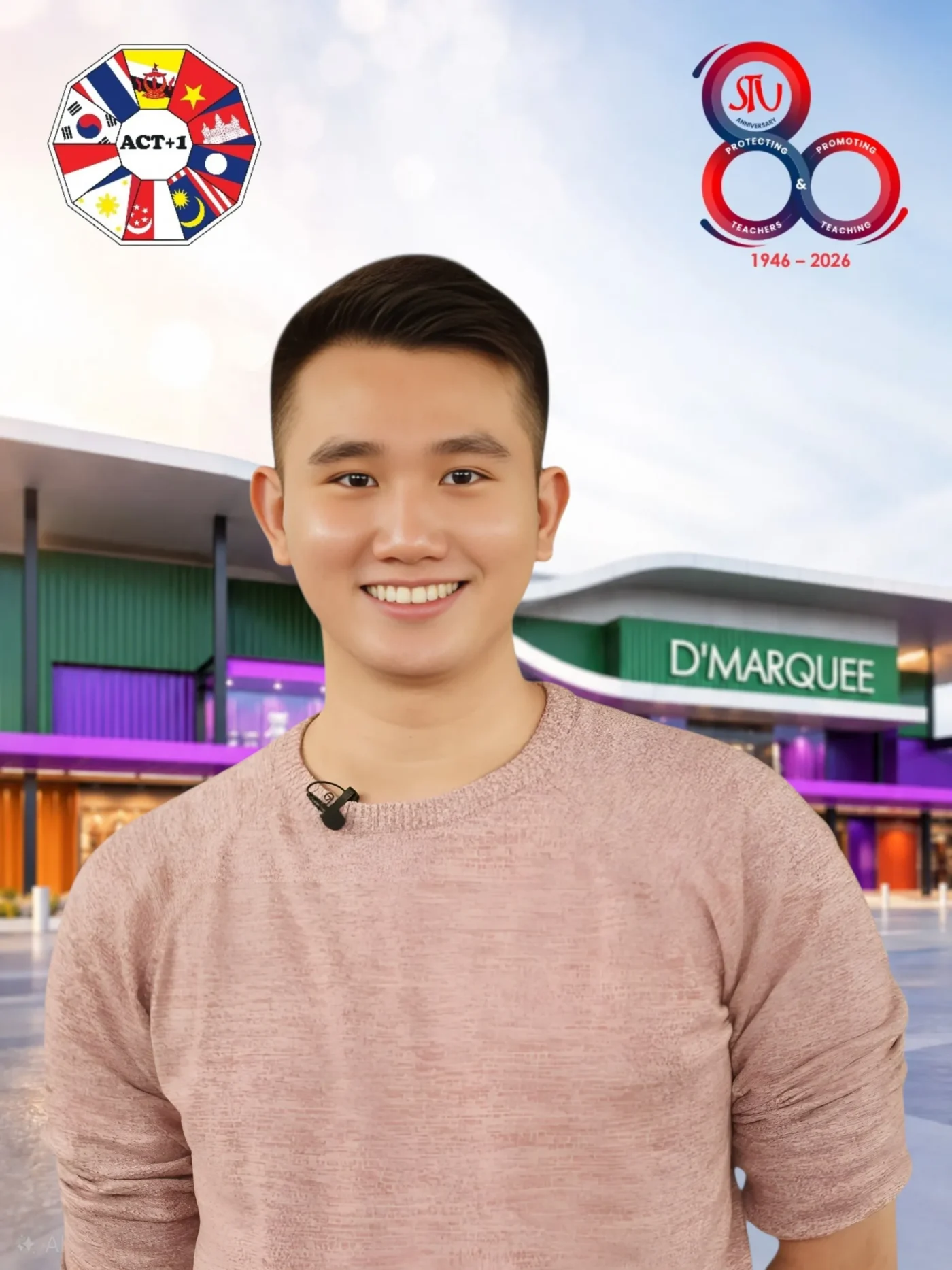
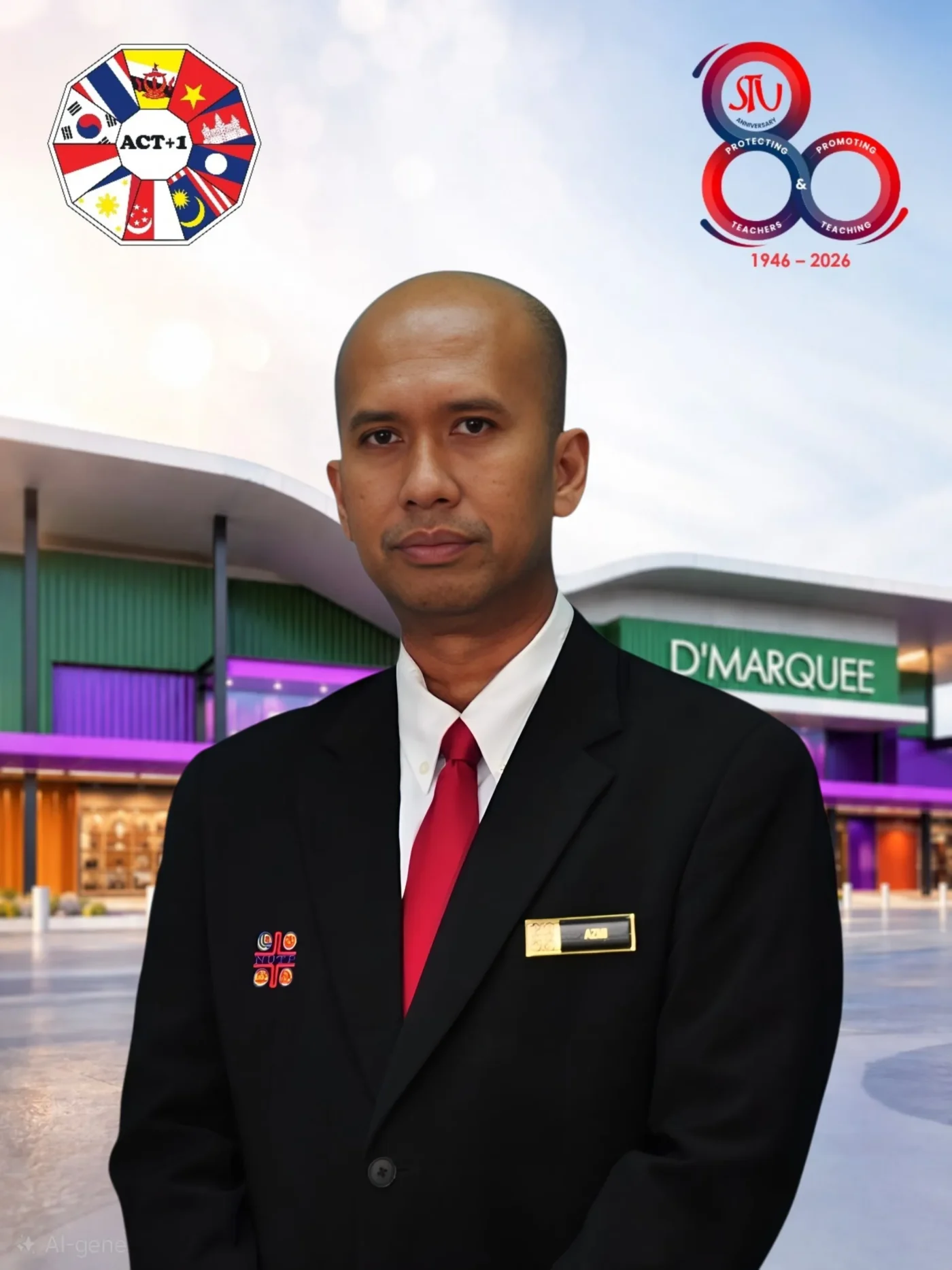
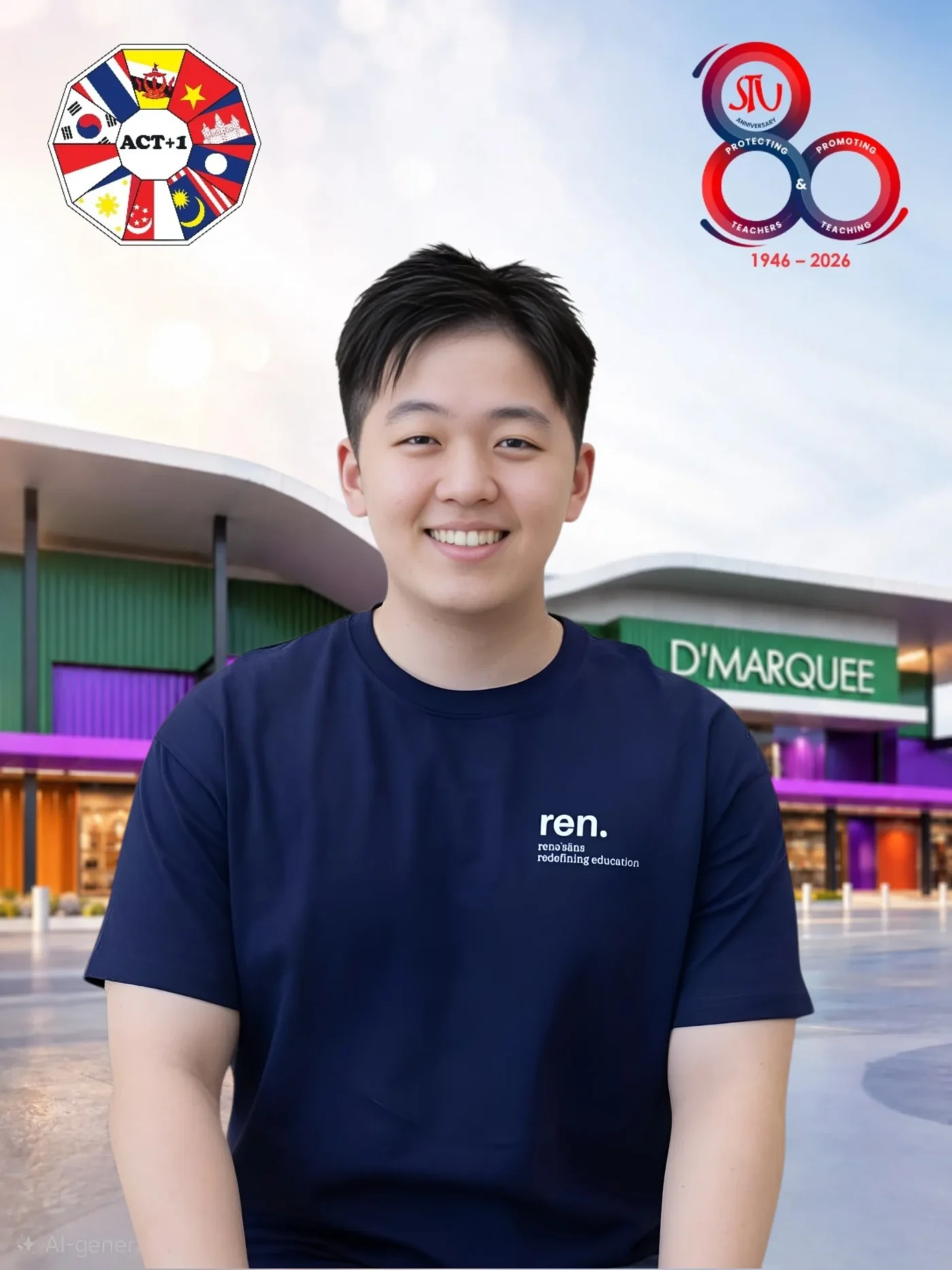
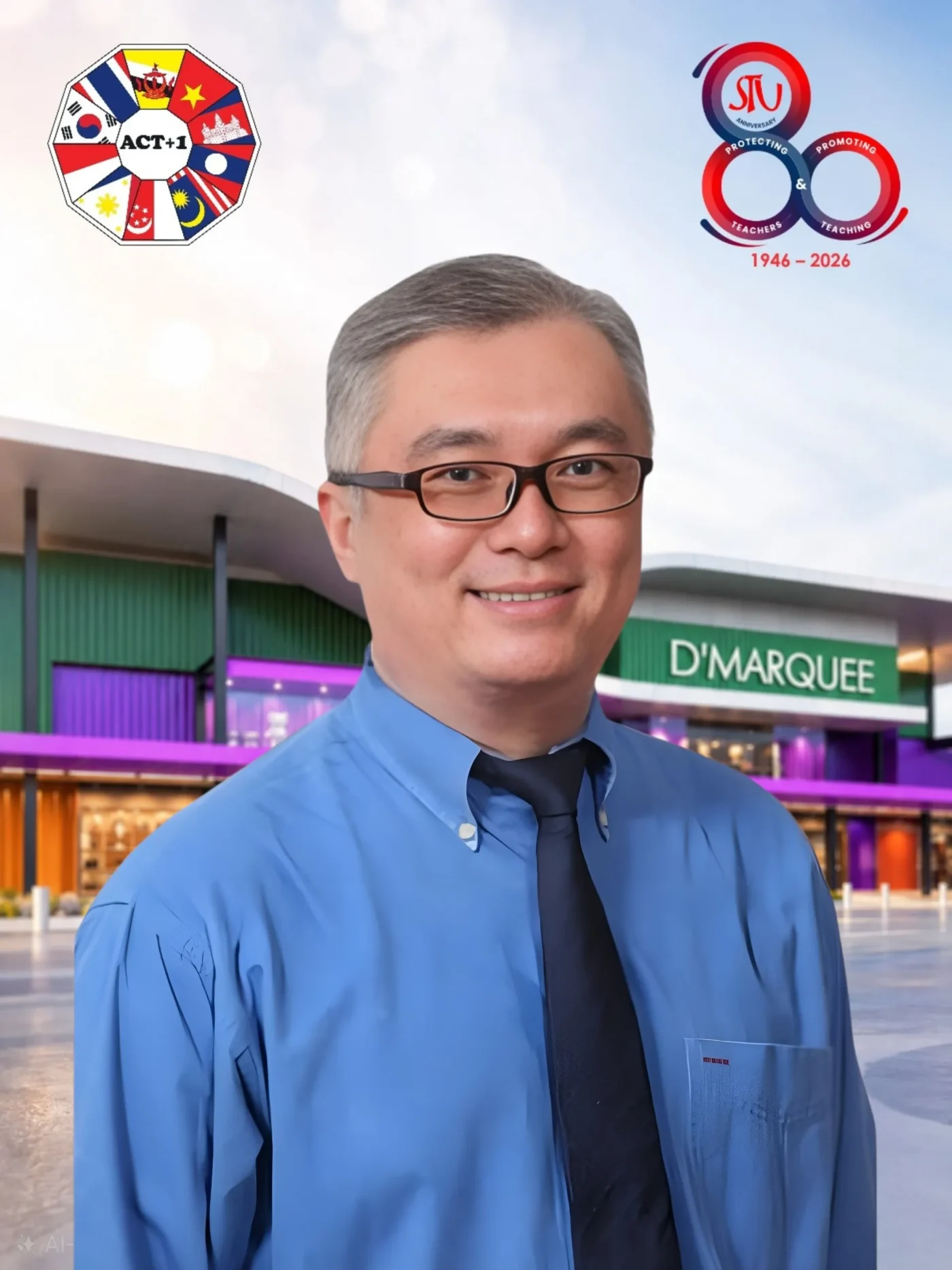

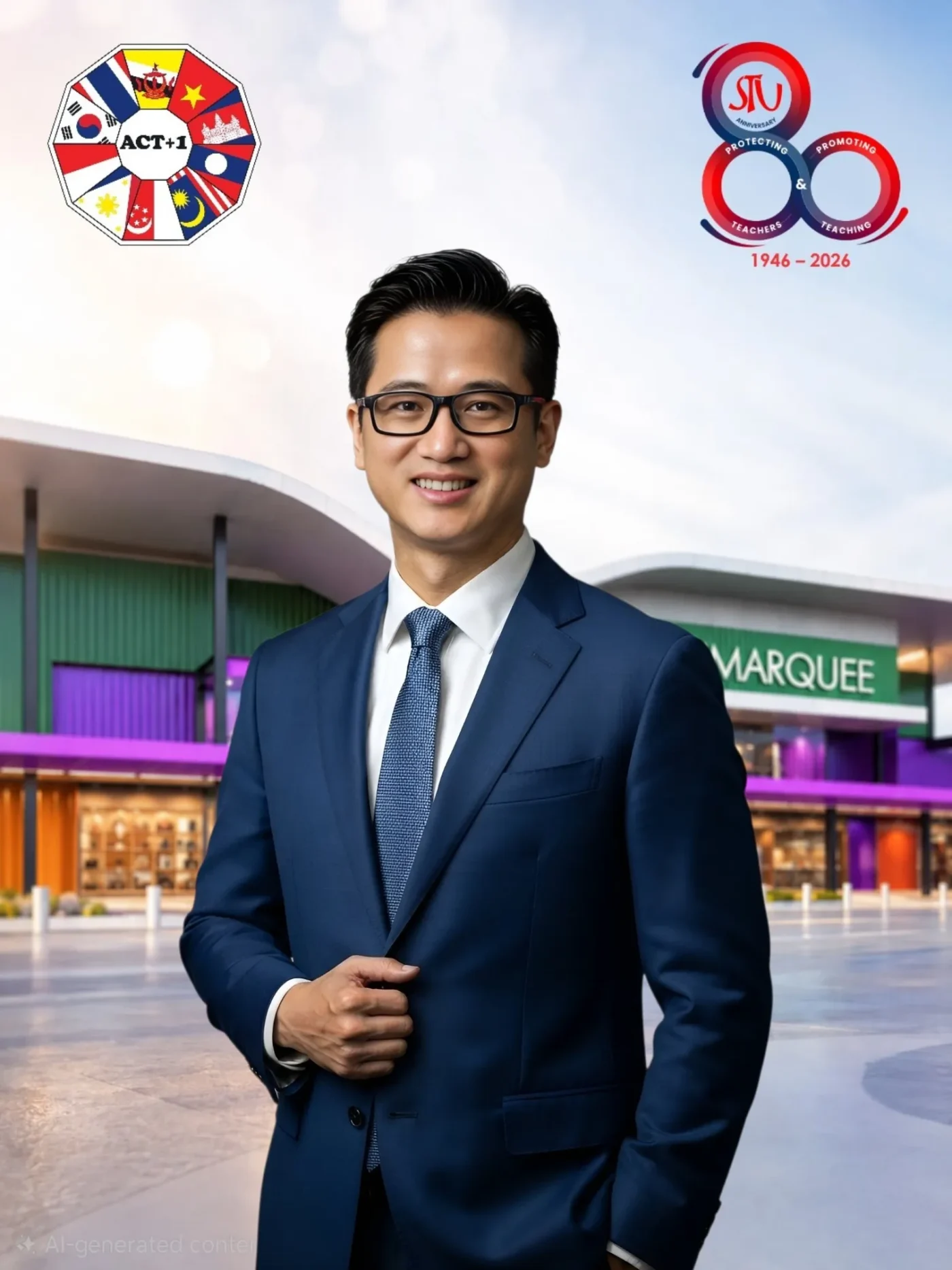
Wong Eu En is the CEO and Co-Founder of Ren Education, a Singapore-based edtech company building AI grading and analytics tools for schools and junior colleges. Eu En began as a General Paper tutor, running his own tuition academy from 2022. That experience - watching students fall behind not from lack of ability but from lack of timely, detailed feedback — became the founding insight behind ren. He is finishing his Bachelor of Computing (Computer Science) from NUS and continues to teach today, keeping one foot in the classroom as ren. grows. Ren Education's flagship product automates the marking of essays and structured questions with 98.4% benchmarked accuracy, returning rubric-aligned feedback to students and per-class analytics to teachers — reducing turnaround from weeks to a single day. The platform is now active across 12+ institutions, reaching 50+ teachers and over 5,000 students. Eu En's mission is simple: quality feedback should be a baseline for every student - not a luxury. Ren Education builds the ecosystem for teacher empowerment, not replacement in the age of AI.
Asmawati Bte Abdullah is a Lead Teacher in Science with more than 27 years of experience in education. She is passionate about nurturing student curiosity, critical thinking, and scientific inquiry through meaningful learning experiences that promote deep conceptual understanding and lifelong learning. As a teacher leader, she works closely with colleagues to enhance teaching and learning outcomes, championing the development of 21st Century Competencies, student agency, and inquiry-based approaches in science education. Her work includes leading professional learning, lesson study initiatives, and curriculum innovation to support both teacher growth and student development. At the school and zonal levels, Asmawati actively contributes to professional sharing sessions and networked learning communities, facilitating the exchange of effective science teaching practices. She is involved in designing engaging and challenging learning experiences for high-ability learners that foster deeper thinking and authentic problem-solving. Recognising the potential of educational technology to transform learning, she advocates for the purposeful integration of artificial intelligence in education. Through professional learning platforms, she has shared practical strategies for using AI tools and chatbots to support inquiry, personalise learning, and enhance classroom engagement. Through collaborative leadership, continuous learning, and a commitment to innovation, Asmawati strives to empower both educators and students to thrive in an evolving educational landscape.
With 26 years of teaching experience, Sea Fong brings to the classroom a rich background in customer service and copywriting, as well as a strong foundation in the humanities. He holds a Bachelor of Social Science (with majors in Sociology and English Literature) from the National University of Singapore, and a Postgraduate Diploma in Education from the National Institute of Education, Singapore. Sea Fong has served as Head of Department (five years) and as a Senior Teacher (11 years). A progressive and collaborative teacher-leader, he is passionate about blending technology with impactful pedagogy to create engaging and dynamic learning experiences. Constantly seeking to innovate and grow, he actively shares his practices with fellow educators. In 2024, Sea Fong joined the ASEF Classroom Network 17 and collaborated with educators from Australia and Austria to explore the use of AI in climate education (Climate Alliance) —a project that earned the prestigious Gold Award for its innovative and impactful approach. In 2025, ASEF invited the team (Climate Alliance) to embark on EmpowerED where the team shared their experience with teachers from Bangladesh. Croatia, Malaysia and Mongolia.
Bullied and stricken with cancer, Ryan bounced back from physical and mental trauma, driving his desire to empower others even at a young age. In a fast-evolving BANI world, Ryan brands himself as a tech humanist - forging a future Renaissance where humanity and technology thrive harmoniously. He also serves as a passionate trainer for multiple education-based enterprises, having equipped 10,000+ youth, parents & professionals with 21st century life skills through his ambitious, energetic delivery style. Ryan’s strategically-honed expertise as an award-winning Youth Coach, Design Thinking Specialist and GenAI Consultant has also been referred to large-scale collaborations with local enterprises and large organisations such as Google.org, ASEAN Foundation and Samsung. He identifies and amplifies his audiences' strengths through mindsets of accelerated learning, compounding growth, and exponential impact. Ryan is obsessed with the future of education and in the classroom, where teachers & students journey into imaginative worlds shaped by their diverse inputs, and brought to life through a strategic arsenal of GenAI tools, operating smoothly at speed and with almost no cost. The teacher steers control of the tools, ensuring ethical and responsible use amidst varied student suggestions keeping themselves irreplaceable and above the grind.